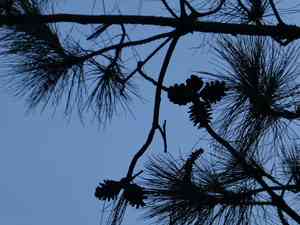
Chinese red pine (Pinus massoniana)
Also known as: Horsetail pine
The Chinese red pine (Pinus tabuliformis) is an evergreen species native to China, particularly prevalent in the northern and northeastern regions. Its wood is highly regarded for use in construction projects and furniture making. The resin extracted from this tree is utilized in traditional medicine and can be processed into various products, including varnishes. Generally, Chinese red pine is not widely cultivated outside of its native range.
In This Article
Attributes of Chinese red pine
Lifespan
Perennial
Plant Type
Tree
Plant Height
45 m
Spread
80 cm
Leaf Color
Green
Flower Size
2 cm
Flower Color
Yellow Green Brown
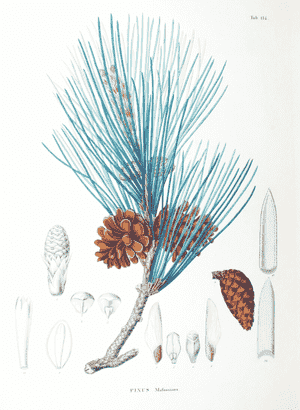
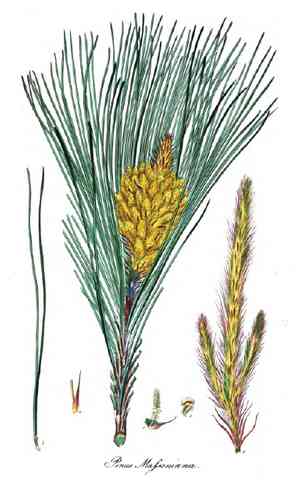
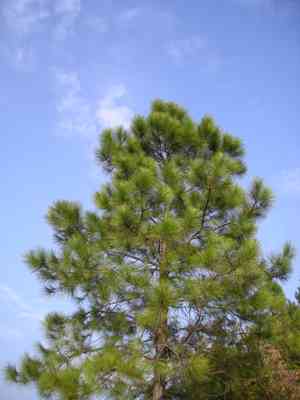
Images of Chinese red pine

Quickly Identify Chinese red pine
1
Masson Pine can be identified by its tall, straight trunk and relatively dense crown. The needles are typically in pairs and measure between 10-20 cm in length. The cones are ovoid, measuring around 4-7 cm with a reddish-brown color when mature.
Scientific Classification of Chinese red pine
Phylum
Vascular plants
Class
Conifers
Order
Pines and allies
Family
Pine
Genus
Pines
Species
Chinese red pine
Planting and Growing of Chinese red pine
Care Difficulty
Easy
Watering Schedule
Every 2 days
Sunlight Requirements
Full sun
Sunshine Duration
6-8 hours
Ideal Temperature
59-77℉
Soil Type
Potting Mix, Peat Mix
Soil pH
4.5-6
Fertilizer Type
Balanced
Pruning Season
Spring, Summer
Pruning Area
Branches, Leaves
Pruning Frequency
2 times a year
Repotting Season
Spring
Pot Type
Terracotta, Plastic
 How to Water Chinese red pine?
For Pinus massoniana, ensure each watering session provides around 500ml of water. This should sufficiently moisten the soil without causing waterlogging. Aim to allow the top soil to dry out between watering sessions to provide oxygen to the roots.
What are the symptoms of an underwatered Chinese red pine?
›
What should I do if my Chinese red pine is not getting enough water?
›
What are the symptoms of an overwatered Chinese red pine?
›
How to save an overwatered Chinese red pine?
›
 What Are the Sunlight Requirements for Chinese red pine?
Pinus massoniana flourishes in full sun. Consistent sunlight ensures optimal growth, enhances its aesthetic appearance, and strengthens its defense mechanisms against environmental stressors.
More About Sunlight Requirements Techniques→
What are the ideal lighting conditions for Pinus massoniana?
›
How can I achieve ideal lighting conditions for this plant?
›
What benefits arise from Pinus massoniana getting ideal light?
›
 What Is the Ideal Temperature Range for Chinese red pine?
The ideal temperature range for Pinus massoniana is from 59°F to 77°F. This range supports optimal growth and development, ensuring that the plant can photosynthesize and metabolize effectively. Temperatures within this range promote healthy foliage and root development, contributing to the overall vigor of the pine tree.
 What Soil is Best for Chinese red pine?
Pinus massoniana thrives in well-drained soil, allowing roots to access oxygen and preventing root rot. Well-drained conditions are crucial for maintaining healthy root systems. Though it doesn't demand highly fertile soil, moderate nutrients ensure robust growth and vivid foliage. Such soil provides an adequate nutrient supply without overwhelming the plant. Preferring a pH range of 4.5 to 6.0, acidic conditions are ideal for nutrient uptake and promote the plant's natural growth patterns, contributing to its overall health.
 How to Fertilize Chinese red pine?
For Pinus massoniana, the fertilizer amount should be carefully controlled to avoid over-fertilization. During the active growing season, use around 100 grams of balanced 10-10-10 NPK fertilizer per year per tree. Ensure even distribution around the drip line of the tree.
 How to Prune Chinese red pine?
Begin by assessing the tree for dead, diseased, or crowded branches. Pinus massoniana naturally sheds its lower branches as it ages, so focus on maintaining the aesthetic of the upper branches. Aim for an open canopy to allow sunlight penetration and air circulation. Use clean, sharp pruning shears or saws to ensure precise cuts. Cut branches at a downward angle slightly above the branch collar to promote quick healing and reduce the risk of infections. Maintain the natural shape of Pinus massoniana by trimming only the necessary parts. Avoid removing more than 25% of the tree's foliage in a single session to prevent stress and to maintain its natural fullness.
More About Pruning Techniques→
 How to Propagate Chinese red pine plant?
1
Collect mature pine cones from healthy Pinus massoniana trees. Allow the cones to dry out completely to release the seeds, ensuring they are ready for planting.
2
Stratify the seeds by placing them in a moist, cold environment for about six weeks. Once stratified, plant the seeds in trays filled with a well-draining potting mix.
3
Select a healthy rootstock and scion for grafting. Carefully prepare both by making clean cuts and fitting them together snugly to facilitate proper healing and growth.
 How to Repot Chinese red pine plant?
1
It's time to repot your Pinus massoniana when you notice roots growing out of the drainage holes or if the soil dries out too quickly after watering. These signs indicate that the tree has outgrown its pot and needs more space to flourish.
2
Select a pot that's slightly larger than the current one, ensuring it has excellent drainage. A suitable pot prevents waterlogging, which can lead to root rot, thus promoting healthier root growth and overall plant vitality.
3
Opt for a well-draining, sandy loam mix, which aids water movement and nutrient retention. This type of soil mimics the tree's natural habitat, supporting robust health and preventing potential root diseases.



