How to Prune Missouri maidenbush?
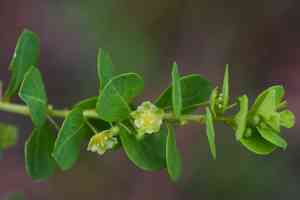
This leaf-shedding shrub, recognized for its grouping of greenish-yellow blossoms and resilience to arid conditions, thrives with judicious trimming. For missouri maidenbush, the optimal period for pruning is from late winter to early spring, prior to the emergence of fresh shoots. Prioritize the elimination of lifeless or ailing branches, and thin out congested limbs to enhance air movement and sculpt the plant. Regular cutting stimulates denser development and sustains a preferred dimension. Refrain from extensive pruning; instead, aim to accentuate the plant's inherent structure.
Advantages of Trimming Missouri Maidenbush
Advantages of Trimming Missouri Maidenbush
Trimming missouri maidenbush promotes robust development by reallocating energy to strong branches, thereby enhancing its form and preventing excessive growth that can diminish its look and vitality.
Optimal Time for Trimming Missouri Maidenbush
Optimal Time for Trimming Missouri Maidenbush
Trimming missouri maidenbush in late winter, just prior to the spring growth surge, helps stimulate the upcoming season's development. This timing allows gardeners to remove any dead, diseased, or damaged branches while the plant is still dormant, minimizing stress or infection risk. During early spring, pruning can shape the plant and boost the strength of its growth, ensuring it directs energy into developing healthy branches, blooms, and foliage. These seasons are chosen based on missouri maidenbush's dormant state, when sap flow is reduced and it's less vulnerable to pruning wounds. Additionally, pruning before the spring growth flush enables the plant to recover quickly and channel resources into producing vibrant new growth.
Essential Tools for Trimming Missouri Maidenbush
Hand Pruners
Hand pruners, also known as secateurs, are perfect for making precise cuts on the thinner stems of missouri maidenbush. They deliver clean cuts that help prevent disease and damage to the plant.
Bypass Pruners
Bypass pruners are recommended as they cut with a scissor-like action, which is less likely to crush the delicate stems of missouri maidenbush. This tool should be used for stems up to half an inch thick.
Pruning Saw
For larger branches that hand pruners cannot manage, a pruning saw is essential. Its fine teeth are designed for cutting through thicker wood without causing undue strain or harm to missouri maidenbush.
Loppers
When missouri maidenbush branches are too thick for hand pruners but not large enough for a saw, loppers with long handles provide the necessary leverage for clean cuts.
Shears
For shaping and maintaining the dense foliage of missouri maidenbush, shears are useful. These allow for trimming and shaping hedges or overgrown sections of the plant.
Gloves
Wearing gloves protects hands while pruning missouri maidenbush, offering safety from thorns or rough bark.
How to Trim Missouri Maidenbush
Identify And Remove Damaged Parts
Locate and carefully remove all diseased and withered leaves from missouri maidenbush, and prune dead and diseased branches using clean, sharp tools. Make cuts just above a healthy leaf node or lateral branch.
Thinning
Thin out crowded areas to improve air circulation and light penetration, which is crucial for missouri maidenbush's health. Selectively cut back some of the oldest branches to the plant's base to encourage new growth.
Shape Plant
Shape missouri maidenbush by evenly trimming back overgrown branches to maintain the desired form, always pruning back to a leaf node or a branching point to promote healthy regrowth.
Cleanup
Clean up all pruned material from around missouri maidenbush to prevent any potential spread of disease and to keep the area free from pests that may hide in plant debris.
Disinfect Tools
Disinfect all pruning tools after use to prevent the spread of disease to missouri maidenbush or other plants in the garden. Wipe the blades with alcohol or a bleach solution.
Common Trimming Errors with Missouri Maidenbush
Overpruning
Removing too much foliage at once can stress missouri maidenbush, leading to poor growth or reduced flowering. Generally, pruning more than one-third of the plant can be detrimental.
Improper Cut Locations
Cutting too far from a bud or node can result in dead stubs susceptible to pests and diseases. Conversely, cutting too close can damage buds and hinder new growth.
Using Dull Tools
Dull pruning tools can cause jagged cuts that are more vulnerable to disease and can damage plant tissues.
Neglecting Sanitation
Not cleaning tools between uses can spread disease from infected plants to healthy ones, including missouri maidenbush.
Shearing
Shearing missouri maidenbush into a formal shape disregards its natural growth habit and may impede its flowering and overall health.
Ignoring Plant Structure
Random cuts without considering missouri maidenbush's structure can lead to unbalanced growth and reduced vigor.
Common Trimming Tips for Missouri Maidenbush
Sharp Clean Tools
Use clean, sharp pruning shears to make clean cuts that heal quickly, reducing the risk of disease entry.
Follow Natural Growth
Prune missouri maidenbush by following its natural shape, selectively removing only the necessary branches to maintain a pleasing form and healthy structure.
Thin Crowded Areas
Thin out crowded areas to increase air circulation and light penetration, which can help prevent disease and promote robust growth in missouri maidenbush.
Remove Dead Material
Regularly remove dead or diseased wood to maintain the health and appearance of missouri maidenbush. These cuts can be made at any point in the growing season as soon as problems are noticed.
Encourage Flowering
To encourage abundant flowering, selectively remove old, non-flowering branches in favor of younger, more vigorous ones.
Incremental Pruning
Prune missouri maidenbush in stages, especially if extensive pruning is required. This minimizes stress and allows the plant to recover more effectively.



