How to Prune Cape fuchsia?
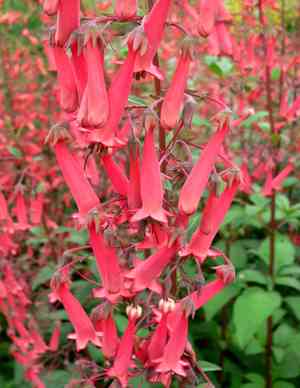
To preserve the vivid blossoms and sturdy structure of cape fuchsia, cut it back either in early spring or during winter. Eliminate faded flowers, snip off any lifeless or injured stalks, and decrease the plant's total stature by as much as one-third to foster a denser appearance. Trimming while the plant is dormant lessens strain and stimulates strong growth in spring, whereas removing spent blooms during the flowering period can boost subsequent flowering. Consistent trimming additionally aids in averting ailments by enhancing air movement among the leaves.
What Are the Benefits of Pruning Cape Fuchsia?
What Are the Benefits of Pruning Cape Fuchsia?
Trimming cape fuchsia encourages abundant flowering and eliminates dead or diseased leaves, reducing its vulnerability to pests and diseases, thereby ensuring a strong and vibrant display.
What Is the Best Time for Pruning Cape Fuchsia?
What Is the Best Time for Pruning Cape Fuchsia?
Pruning cape fuchsia in early spring is optimal as the plant awakens from dormancy and before new growth starts, which aids in stimulating fresh growth and blooms. Late winter pruning is also suitable, especially in mild climates, allowing for the removal of frost-damaged or old growth prior to the emergence of new spring growth. These periods ensure the plant's energy is directed towards producing healthy, new shoots, and pruning at these times minimizes the risk of stress and illness while preserving the plant's form and promoting prolific flowering.
What Tools Do I Need to Prune Cape Fuchsia?
Hand Pruners
Perfect for making precise cuts on cape fuchsia's thinner stems when thinning or shaping the plant.
Lopping Shears
Suitable for larger, woodier stems that hand pruners might not cut cleanly, ensuring healthy regrowth.
Pruning Saw
Helpful for cutting through any growth too thick for lopping shears, while still providing a clean cut to prevent damage to cape fuchsia.
Gardening Gloves
Protect the gardener's hands from thorns and sap when handling cape fuchsia, ensuring safe pruning operations.
Pruning Snips
Excellent for precisely deadheading cape fuchsia's spent flowers, encouraging further blooming.
How to Prune Cape Fuchsia
Clean tools
Sanitize pruning tools before beginning to prevent the spread of disease to cape fuchsia.
Remove diseased parts
Carefully cut away diseased leaves and branches from cape fuchsia. Immediately discard these parts to avoid contaminating healthy areas.
Eliminate dead material
Trim all dead branches and withered leaves from cape fuchsia to promote healthy growth and improve air circulation.
Trim withered flowers
Cut off withered flowers from cape fuchsia to encourage new blooms and maintain a neat appearance.
Shape plant
Thin out excessive growth branches on cape fuchsia to shape the plant and ensure light and air can reach the interior foliage.
Common Pruning Mistakes with Cape Fuchsia
Overpruning
Removing too much of the cape fuchsia's foliage at once can shock the plant, hindering its growth and flowering potential.
Blunt tools
Using dull or unclean pruning tools can cause damage to the branches and stems of the cape fuchsia, leading to an increased risk of disease and pest infestation.
Tearing stems
Attempting to prune by breaking or tearing the stems instead of clean cuts can damage the cape fuchsia and impair its ability to heal properly.
Pruning too short
Cutting the stems of the cape fuchsia too short can remove vital growth nodes, limiting the plant's ability to produce new blooms.
Ignoring deadhead
Neglecting to deadhead, or remove spent flowers from the cape fuchsia, can lead to a decrease in the plant's energy directed towards new blooms.
Common Pruning Tips for Cape Fuchsia
Sharp tools
Use sharp, clean pruning shears to ensure clean cuts that will heal quickly and minimize the stress to the cape fuchsia.
Cutting angle
Make angled cuts above leaf nodes to promote water runoff and healthy new growth for the cape fuchsia.
Deadheading
Regularly remove spent blooms to encourage the cape fuchsia to produce new flowers and maintain vigor. Deadheading also helps to prevent seed formation which can reduce subsequent blooming.
Selective thinning
Thin out older, woody stems to improve air circulation and light penetration to the plant's center, which is crucial for the overall health of the cape fuchsia.
Post-bloom pruning
After the main blooming season, lightly prune the cape fuchsia to maintain its shape and remove any unsightly or overgrown branches. This also prepares the plant for the next growth season.
Overall health check
Before and after pruning the cape fuchsia, conduct a health check to look for signs of pests or diseases. Remove any affected areas promptly to prevent further spread.



