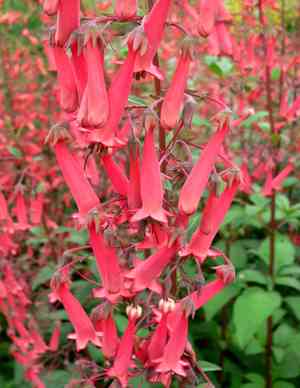
Cape fuchsia (Phygelius capensis)
Also known as: Cape Fuchsia, Cape Figwort
Cape fuchsia, originating from South Africa, particularly the Cape region, has gained popularity among gardeners. This has led to the creation of numerous cultivars featuring a variety of flower colors. In regions with mild winters, cape fuchsia plants remain evergreen.
In This Article
Attributes of Cape fuchsia
Lifespan
Perennial
Plant Type
Shrub
Plant Height
1.5 m
Spread
1.5 m
Leaf Color
Green
Flower Size
2-4 centimeters
Flower Color
Red Orange
Images of Cape fuchsia
Quickly Identify Cape fuchsia
1
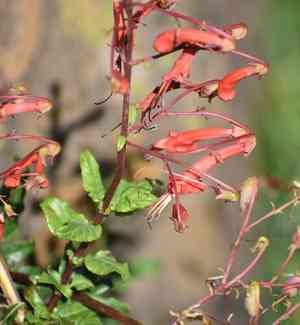
Look for long, tubular flowers that dangle from the stems, and lance-shaped, bright green leaves. The flowers come in shades of red, pink, and sometimes yellow.
Scientific Classification of Cape fuchsia
Phylum
Vascular plants
Class
Dicotyledons
Order
Lamiales
Family
Figwort
Genus
Cape fuchsia
Species
Cape fuchsia
Planting and Growing of Cape fuchsia
Care Difficulty
Easy
Watering Schedule
Every 4 days
Sunlight Requirements
Full sun
Sunshine Duration
4-8 hours
Ideal Temperature
65-75℉
Soil Type
Potting Mix, Peat Mix
Soil pH
6.5-7.5
Fertilizer Type
Balanced
Pruning Season
Spring, Summer
Pruning Area
Branches, Leaves
Pruning Frequency
2 times a year
Repotting Season
Spring
Pot Type
Plastic, Ceramic
 How to Water Cape fuchsia?
For Phygelius capensis, ensure the soil remains moderately moist, similar to a wrung-out sponge. Water approximately 500 ml per session, making sure it penetrates the root zone without creating a waterlogged environment.
What are the symptoms of an underwatered Cape fuchsia?
›
What should I do if my Cape fuchsia is not getting enough water?
›
What are the symptoms of an overwatered Cape fuchsia?
›
How to save an overwatered Cape fuchsia?
›
 What Are the Sunlight Requirements for Cape fuchsia?
Phygelius capensis usually prefers full sun to partial sun. Ideally, this means providing around 4 to 6 hours of sunlight. This ensures optimal growth, enabling vibrant blooms and lush foliage development.
More About Sunlight Requirements Techniques→
What is the perfect light level for Phygelius capensis?
›
How to ensure optimal sunlight exposure?
›
What benefits can optimal sunlight provide?
›
 What Is the Ideal Temperature Range for Cape fuchsia?
Phygelius capensis thrives best within a temperature range of 65 to 75 degrees Fahrenheit. This range provides the optimal conditions for its growth and blooming. Within this temperature bracket, the plant's physiological processes function efficiently, promoting vibrant flowering and robust foliage. Maintaining this range ensures the plant utilizes nutrients effectively and remains resilient against diseases.
 What Soil is Best for Cape fuchsia?
Phygelius capensis thrives in well-drained soils, which help prevent root rot by allowing excess water to escape efficiently. This promotes healthy root growth and supports the plant's ability to absorb nutrients effectively. The soil should retain moisture without becoming waterlogged. This balance ensures that the plant remains hydrated during dry spells while preventing the detrimental effects of overwatering, supporting lush and vibrant foliage. Rich in nutrients, the ideal soil enhances the growth and flowering capacity of Phygelius capensis. A good blend of organic matter, like compost, enriches the soil, providing essential nutrients needed for robust plant health and prolific blooming.
 How to Fertilize Cape fuchsia?
For Phygelius capensis, it's essential to balance the nutrient intake without overwhelming the plant. Use a balanced liquid fertilizer diluted to half the recommended strength to prevent nutrient burn. Apply approximately 100 ml per plant during the active growing season.
 How to Prune Cape fuchsia?
To prune Phygelius capensis, use a clean pair of pruning shears to trim back the stems by about a third in early spring. This encourages bushier growth and prevents the plant from becoming too leggy. Regular deadheading of faded flowers throughout the summer extends the blooming period. Simply snip off spent blooms just above the nearest leaf node, which signals the plant to produce more flowers.
More About Pruning Techniques→
 How to Propagate Cape fuchsia plant?
1
Start by sourcing healthy and viable seeds of Phygelius capensis. Before sowing, soak the seeds in water for several hours to boost their germination rates. This pre-treatment softens the seed coat, allowing easier penetration of moisture.
2
Cut approximately 4-6 inch sections from a healthy parent plant using a clean knife or scissors. Ensure each cutting includes multiple leaf nodes, which are crucial for root formation. Remove leaves from the bottom part of the cutting to expose the nodes.
3
During division, carefully dig up the entire root clump of an established Phygelius capensis. Gently separate clumps into smaller sections, ensuring that each section has an ample root system to encourage a successful transplant.
 How to Repot Cape fuchsia plant?
1
Repot Phygelius capensis when you observe roots emerging from the drainage holes, or when the plant becomes top-heavy and is at risk of tipping over. These signs indicate that the plant has outgrown its current pot. Spring or summer is the ideal time, as the plant is in its active growth phase and will recover quickly from the repotting process.
2
Choose a pot that is about 2 inches larger in diameter than the current one. Ensure it has ample drainage holes at the bottom to prevent waterlogging, which can lead to root rot. A terracotta pot is recommended for Phygelius capensis as it allows excess moisture to evaporate, thus maintaining a drier, healthier root environment.
3
Opt for a well-draining loamy soil mix that includes peat and perlite or sand. This mixture supports good air circulation and drains excess water quickly, preventing root rot. It provides the balanced texture necessary for Phygelius capensis, ensuring the plant receives adequate nutrients while avoiding waterlogged roots.
Learn More About Cape fuchsia Diseases
Anthracnose
Bacterial Leaf Spot
Bacterial Soft Rot
Bacterial Wilt
Black Spot
Chemical Injury
Damping-off
Downy Mildew
Drought Stress
Fusarium Wilt
Gray Mold
Leaf Curl
Leaf Spot
Mosaic
Nutrient Deficiency
Nutrient Toxicity
Powdery Mildew
Root Rot
Root-knot Nematode
Rusts
Sooty Mold
Spider Mites
Temperature Stress
Thrips Damage
White Mold



