How to Prune Tufted phlox?
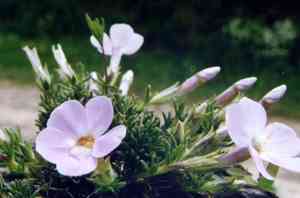
Phlox subulata is a ground-hugging, cushion-forming perennial characterized by a thick carpet of leaves and brilliant, star-like blossoms. Perform pruning in late winter or early spring prior to the emergence of new shoots. Concentrate on excising dead or compromised stalks, and lightly trim to preserve its form and enhance air circulation. This practice fosters more robust development and an abundance of flowers. Always disinfect your implements to avert illness. A gentle trim following the flowering phase can revitalize the specimen for the subsequent year.
What Are the Benefits of Pruning Tufted Phlox?
What Are the Benefits of Pruning Tufted Phlox?
Trimming tufted phlox encourages robust development and helps maintain its compact form. Regular trimming fosters a healthier plant structure, boosts flowering, and lowers the risk of pests and diseases, thereby enhancing the overall look and resilience of tufted phlox.
What Is the Best Time for Pruning Tufted Phlox?
What Is the Best Time for Pruning Tufted Phlox?
Trimming tufted phlox from late winter to early spring is optimal, as this period precedes its active growth. Pruning at this time helps eliminate dead or diseased wood, promoting healthy new growth as the plant enters its growing season. Additionally, this timing supports improved air circulation and sunlight exposure, vital for the plant's health and development. Furthermore, pruning before tufted phlox begins to flower ensures that the blooms are not negatively impacted, leading to a more vibrant display during the flowering season.
What Tools Do I Need to Prune Tufted Phlox?
Bypass Pruners
Perfect for precise cuts, especially when removing faded blooms or trimming back dead or excess growth. The clean cut helps prevent stem damage.
Hand Shears
Useful for general shaping and cutting back larger plant sections if needed. They offer the control and accuracy required to maintain the overall form.
Sterilizing Solution
Crucial for cleaning tools before and after use to prevent disease spread. A mixture of water and rubbing alcohol works effectively.
Gloves
Protects hands from any accidental scrapes or injuries while handling the plant.
How to Prune Tufted Phlox
Assess
Thoroughly inspect tufted phlox for any leaves that appear diseased or withered, noting areas with discoloration, spots, or wilting.
Tool Sanitize
Before making any cuts, disinfect pruning shears with rubbing alcohol or a bleach solution to prevent disease transmission.
Remove Diseased Leaves
Carefully cut away any diseased leaves, ensuring clean cuts at the base of the leaf stem to encourage healthy regrowth.
Trimming Withered Leaves
Trim away withered leaves by cutting them off where they connect to the main stem, avoiding damage to surrounding healthy foliage.
Disposal
Dispose of pruned diseased and withered leaves in a sealed bag and remove them from the garden area to prevent any potential disease spread.
Common Pruning Mistakes with Tufted Phlox
Pruning too much
Removing excessive foliage can stress the plant and hinder its ability to photosynthesize effectively, leading to weak development.
Incorrect technique
Using dull or improper tools can crush stems instead of making clean cuts, exposing the plant to disease and pest infestation.
Ignoring plant health
Pruning diseased or pest-infested parts without disinfecting tools between cuts can spread problems throughout tufted phlox.
Pruning indiscriminately
Cutting back growth without considering the plantâs natural shape and growth habit can result in an unbalanced and unattractive appearance.
Common Pruning Tips for Tufted Phlox
Use sharp tools
Always use sharp, clean pruning shears or scissors to make precise cuts that promote faster healing and reduce disease risk.
Sterilize regularly
Sterilize pruning tools with rubbing alcohol or a bleach solution between cuts, especially after removing diseased or damaged sections.
Focus on dead/damaged growth
Regularly remove dead, damaged, or diseased stems and foliage to maintain plant health and encourage vigorous new growth.
Prune strategically
Cut back any spent flowers and trim leggy growth to maintain a compact and attractive form, ensuring better air circulation and light penetration.
Maintain natural shape
Respect tufted phloxâs natural mounding habit by pruning in a way that encourages a bushy, more full appearance rather than over-thinning or harsh reshaping.



