How to Prune Hairy mock orange?
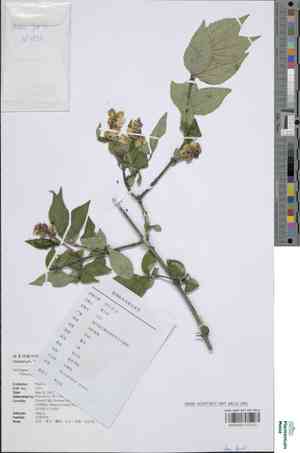
Distinguished by its thick leaves and aromatic white blossoms, hairy mock orange flourishes with consistent trimming. After flowering, reduce the older branches by one-third to stimulate fresh development and preserve its form. Perform pruning in early spring or during winter, prior to the emergence of new shoots. This practice enhances air movement, reduces the risk of illness, and encourages abundant blooms. Eliminate any lifeless or ailing branches as necessary to uphold the vigor of hairy mock orange.
What Are the Benefits of Pruning Hairy Mock Orange?
What Are the Benefits of Pruning Hairy Mock Orange?
Trimming hairy mock orange promotes abundant blooms by eliminating old wood, as flowers develop on new growth. It also aids in preventing pest infestations and diseases by enhancing air circulation and reducing dense areas where these problems often flourish.
What Is the Best Time for Pruning Hairy Mock Orange?
What Is the Best Time for Pruning Hairy Mock Orange?
Pruning hairy mock orange in early spring or late winter is ideal because this timing allows gardeners to remove any dead or damaged wood before the plant's new growth commences. This period, after the coldest part of winter has passed but before spring growth starts, enables gardeners to shape the plant without the risk of new shoots being harmed by frost. Additionally, pruning prior to the onset of rapid spring growth ensures that energy is directed towards the development of robust new shoots, which supports a healthy growth cycle and abundance of flowers in the following blooming period. Pruning hairy mock orange in these seasons also avoids cutting off flower buds which form on the previous year's growth, thus ensuring that the seasonal flowering display is not inadvertently reduced.
What Tools Do I Need to Prune Hairy Mock Orange?
Bypass Pruners
Perfect for making clean cuts on young or slender branches of hairy mock orange, bypass pruners inflict less damage to plant tissue, encouraging better healing.
Loppers
Long-handled loppers are suitable for reaching into the denser, harder-to-access areas of hairy mock orange without harming surrounding growth.
Pruning Saw
For mature, thick branches that are too large for pruners or loppers, a pruning saw helps to make precise cuts without tearing the bark.
Hedge Shears
If hairy mock orange is being maintained as a hedge, hedge shears are useful for shaping and achieving uniform growth.
Hand Gloves
Protective gloves are essential for the gardener's safety when handling hairy mock orange to avoid scratches from its rough texture.
How to Prune Hairy Mock Orange
Remove Diseased Materials
Identify and remove any diseased leaves and branches from hairy mock orange. Use sterile, sharp pruning shears to make clean cuts, which help prevent the spread of disease.
Eliminate Dead And Withered Elements
Prune out dead branches and withered leaves or flowers to promote healthy growth and improve air circulation within hairy mock orange. Cut back to a healthy section of the stem.
Shaping And Thinning
Shape hairy mock orange by selectively pruning excessive growth branches. Thin out crowded areas to maintain the structure and form of hairy mock orange, and to ensure adequate light penetration.
Cut Back Old Wood
After flowering, cut back some of the older wood to ground level to encourage rejuvenation and new growth from the base of hairy mock orange.
Sanitize Tools
After completing pruning, clean and sanitize all tools used to prevent the transfer of diseases to hairy mock orange or other plants.
Common Pruning Mistakes with Hairy Mock Orange
Over-Pruning
Removing too much growth in one pruning session can stress hairy mock orange, hindering its overall health and blooming potential.
Blunt Tools
Using dull or dirty pruning tools can cause jagged cuts that harm hairy mock orange and increase susceptibility to diseases
Improper Cutting Angle
Cutting branches at the wrong angle may lead to water accumulation and rot, rather than a clean angled cut that sheds water away from the center of hairy mock orange.
Neglecting Tool Sanitation
Failing to disinfect pruning tools can spread pathogens between plants and infect hairy mock orange.
Pruning Without A Plan
Randomly cutting branches without understanding the growth pattern of hairy mock orange can result in an unbalanced shape and reduce flowering.
Ignoring Dead Wood
Not removing dead or damaged wood can invite pests and diseases, potentially damaging the health of hairy mock orange.
Common Pruning Tips for Hairy Mock Orange
Sharp Tools
Always use sharp, clean tools to make clean cuts that heal quickly and minimize stress to hairy mock orange.
Sanitation
Disinfect pruning tools before and after use on hairy mock orange to prevent the spread of disease.
Angled Cuts
Make cuts at a 45-degree angle about 1/4 inch above an outward-facing bud to encourage outward growth and prevent water damage on hairy mock orange.
Thinning
Thin out old stems to improve air circulation and light penetration, which is essential for the health and flowering of hairy mock orange.
Selective Pruning
Identify and selectively remove any crowded or crossed branches to maintain hairy mock orange's natural form and enhance its aesthetic appeal.
Aftercare
After pruning hairy mock orange, ensure proper aftercare, such as watering and mulching, to support recovery and robust growth.



