
Hairy mock orange (Philadelphus incanus)
Also known as: Mock-orange, Western Mock-orange
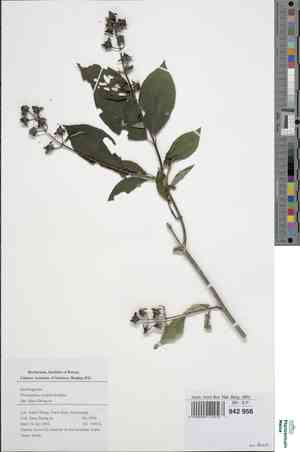
The Hairy Mock Orange (Philadelphus incanus) is native to China and is characterized by its notably hairy leaves and branches, particularly on the underside of the leaves. This shrub is well-suited to growing in rocky terrains.
In This Article
Attributes of Hairy mock orange
Lifespan
Perennial
Plant Type
Shrub
Plant Height
1.5 m to 4 m
Spread
1.5 m to 4 m
Leaf Color
Green
Flower Size
4.5 cm
Flower Color
White
Images of Hairy mock orange


Quickly Identify Hairy mock orange
1
Identify by its arching, vase-shaped form, and its clusters of four-petaled, fragrant white flowers. Leaves are opposite, ovate with a slightly serrated edge.
Scientific Classification of Hairy mock orange
Phylum
Vascular plants
Class
Dicotyledons
Order
Dogwoods, hydrangeas, and allies
Family
Hydrangea
Genus
Mock oranges
Species
Hairy mock orange
Planting and Growing of Hairy mock orange
Care Difficulty
Easy
Watering Schedule
Every 3 days
Sunlight Requirements
Full sun
Sunshine Duration
4-8 hours
Ideal Temperature
60-75℉
Soil Type
Potting Mix, Peat Mix
Soil pH
6.5-7.5
Fertilizer Type
Balanced
Pruning Season
Spring, Summer
Pruning Area
Branches, Leaves
Pruning Frequency
2 times a year
Repotting Season
Spring
Pot Type
Plastic, Ceramic
 How to Water Hairy mock orange?
Philadelphus incanus, also known as the Hoary Mock Orange, thrives best with a deep watering approach, ensuring the soil is thoroughly wet but not waterlogged. Aim for about 500ml per watering session, adjusting for pot size and environmental conditions.
What are the symptoms of an underwatered Hairy mock orange?
›
What should I do if my Hairy mock orange is not getting enough water?
›
What are the symptoms of an overwatered Hairy mock orange?
›
How to save an overwatered Hairy mock orange?
›
 What Are the Sunlight Requirements for Hairy mock orange?
Full to partial sun is ideal for Philadelphus incanus, fostering strong growth and abundant flowering. Proper sunlight exposure enhances photosynthetic efficiency, resulting in lush foliage and prolific bloom cycles.
More About Sunlight Requirements Techniques→
What are the ideal light conditions?
›
How can you achieve ideal lighting?
›
What is the benefit of ideal lighting?
›
 What Is the Ideal Temperature Range for Hairy mock orange?
The optimal temperature range for Philadelphus incanus is between 60-75°F. This range provides the plant with the necessary warmth to foster healthy growth and flowering. In this temperature bracket, the plant can effectively perform photosynthesis and other metabolic activities, ensuring robust health and development.
 What Soil is Best for Hairy mock orange?
Philadelphus incanus thrives in well-drained soil to avoid root rot. Adequate drainage prevents water accumulation around the roots, ensuring healthy plant growth and reducing disease occurrence. The plant prefers moderately fertile soil. This ensures it receives adequate nutrients without the risk of nutrient burn, fostering robust growth and abundant flowering. Soil that retains moisture without becoming waterlogged is ideal. This balances hydration needs during dry spells, supporting continuous growth and resilience.
 How to Fertilize Hairy mock orange?
For Philadelphus incanus, when using liquid fertilizer, apply a diluted solution at the rate of 1 tablespoon per gallon of water. For solid fertilizers, apply around 2 ounces per plant base, ensuring the soil is moist to avoid root burn.
 How to Prune Hairy mock orange?
Prune Philadelphus incanus immediately after it finishes flowering in late spring to early summer. This ensures you do not remove the buds that will bloom in the next season. Begin by removing any dead, damaged, or diseased branches. This will prevent the spread of disease and give the plant a cleaner appearance. Thin out overcrowded areas by removing older stems at the base. This increases air circulation and light penetration, promoting healthier growth. Aim to retain an open structure. To maintain a pleasing shape, gently trim back long or unruly branches. Be sure to cut just above a leaf node or bud to encourage new shoots.
More About Pruning Techniques→
 How to Propagate Hairy mock orange plant?
1
Select healthy stems from the parent plant that are about 10-15 cm long. Make a clean cut using pruning shears just below a node, ensuring the cuttings are free from pests or disease.
2
Prepare a well-draining growing medium, such as a mix of perlite and peat moss. Ensure the medium is moist but not waterlogged to facilitate root growth.
3
Dip the cut end of the cutting into rooting hormone and plant it in the prepared medium. Keep the cuttings in a warm, humid environment to encourage root development.
 How to Repot Hairy mock orange plant?
1
You should consider repotting Philadelphus incanus when roots start protruding from the drainage holes, indicating that it has outgrown its current pot. Additionally, if the plant shows signs of stunted growth or has been in the same soil for over 2-3 years, it is time to transfer it to a larger home with fresh soil.
2
Select a pot that is one size larger than the current one with sufficient drainage holes to prevent waterlogging. A pot that is too large can retain excess moisture, leading to root rot, while a too small one can restrict growth. Terracotta pots are particularly beneficial as they allow excess moisture to evaporate, keeping the roots healthier.
3
Opt for well-draining, loamy soil that retains enough moisture while allowing excess to escape. This type of soil provides the perfect balance for Philadelphus incanus, furnishing it with essential nutrients without causing the roots to rot. A mixture of potting soil, sand, and perlite can create the ideal texture and nutrient profile.



