How to Prune Gray's bean?
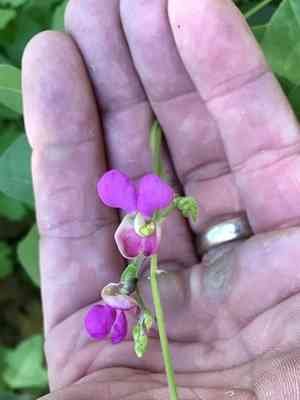
Gray's bean is a vining plant characterized by its prominent wide foliage and vibrant blossoms. The most effective time for trimming Gray's bean is in late winter or early spring, prior to the emergence of fresh growth. Employ sharp, sanitized implements to eliminate any lifeless, ailing, or excessively dense branches, thereby improving air circulation and light exposure. Routine trimming fosters more robust development and increased output. Always cut directly above a leaf joint to stimulate new stems. Persistent pruning leads to a denser, more fruitful specimen.
Advantages of Trimming Gray's Bean
Advantages of Trimming Gray's Bean
Trimming gray's bean promotes vigorous development, maintains its form, boosts blooming and fruiting, enhances its look, fends off pests and diseases, and manages its size. Timely trimming ensures peak health and encourages robust growth.
Optimal Period for Trimming Gray's Bean
Optimal Period for Trimming Gray's Bean
The best time to prune or trim gray's bean is during early spring and late winter. These periods are considered ideal as they align with gray's bean's natural growth cycle, allowing the plant to direct its energy towards new growth and development. Pruning at these times ensures the plant is not actively growing or flowering, which helps minimize stress and promotes healthier, more vigorous growth. Additionally, pruning during dormant periods reduces the risk of disease and pest infestations, as lower temperatures and reduced plant activity create less favorable conditions for pathogens and insects. This timing also improves air circulation and light penetration, enhancing the plant's overall health and productivity.
Necessary Tools for Pruning Gray's Bean
Bypass Pruners
Perfect for making precise cuts on slender branches and stems without crushing plant tissue, crucial for maintaining plant vitality.
Long-Handled Pruners
Offers additional leverage and reach for trimming higher or hard-to-access parts of gray's bean, especially in mature plants with more extensive growth.
Pruning Shears
Useful for detailed trimming and shaping of gray's bean, enabling gardeners to manage growth and remove damaged or diseased sections with accuracy.
Hand Pruners
Convenient for general upkeep and quick snipping of smaller parts of gray's bean, keeping it neat and encouraging healthy growth.
How to Prune Gray's Bean
Preparation
Gather pruning shears, disinfectant, and gloves to ensure clean cuts and prevent disease spread.
Inspection
Examine gray's bean thoroughly to identify any diseased or withered leaves that need to be removed.
Cut Diseased Leaves
Use the pruning shears to trim off any diseased leaves, cutting a few inches below the infected area to ensure complete removal of the disease.
Cut Withered Leaves
Remove withered leaves by cutting them at the base where they attach to the stem. Ensure a clean cut to promote healthy regrowth.
Disposal
Dispose of the removed leaves properly, away from the garden area, to prevent the spread of disease.
Common Pruning Errors with Gray's Bean
Incorrect technique
Using improper tools or cutting methods can damage gray's bean. Dull blades or jagged cuts can increase the risk of disease and pest infestation.
Over-pruning
Removing too much foliage at once can stress gray's bean, hindering its growth and potentially reducing its ability to produce flowers and seeds.
Pruning at wrong stage
Pruning when gray's bean is either too young or not well-established can stunt its growth and delay flowering cycles.
Ignoring dead or diseased parts
Failing to cut away dead or diseased parts of gray's bean can allow funguses or pests to spread, negatively impacting the overall health of the plant.
Helpful Pruning Advice for Gray's Bean
Use proper tools
Always use sharp, clean pruning shears to make clean cuts on gray's bean. This helps reduce the risk of infection and encourages faster healing.
Minimalist approach
Adopt a conservative approach to pruning. Aim to remove no more than 25% of the plant's foliage to avoid stressing gray's bean.
Remove spent flowers
Regularly deadhead spent flowers or seed pods to encourage new growth and prolong the blooming period.
Focus on circulation
Trim branches that cross or are too dense to improve air circulation within gray's bean. This helps in preventing diseases caused by poor airflow.
Remove weak shoots
Regularly prune out weak or spindly shoots to direct gray's bean's energy towards stronger, more productive growth.



