
Gray's bean (Phaseolus grayanus)
Also known as: Gray's Bean, Wild Kidney Bean
A type of plant fitting your description is the common bean (*Phaseolus vulgaris*). This legume features twining or bushy stems and leaves made up of three ovate leaflets. It produces clusters of vibrant flowers that later develop into elongated pods containing the seeds. Common beans flourish in temperate climates and adapt to various soil types, given sufficient sunlight and water. Their growth and appearance can vary with environmental factors, but they consistently display the distinctive characteristics of their species.
In This Article
Attributes of Gray's bean
Lifespan
Annual
Plant Type
Vine, Herb
Plant Height
0.5 - 2 meters
Spread
N/A
Leaf Color
Green
Flower Size
1 - 2 cm
Flower Color
Pink, Purple
Images of Gray's bean
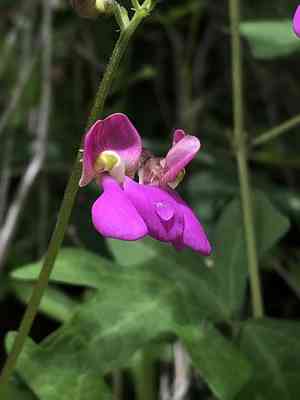
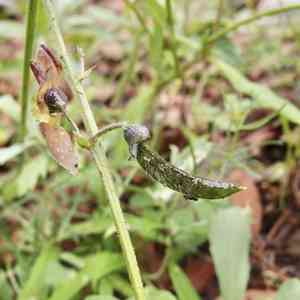


Quickly Identify Gray's bean
1
Phaseolus grayanus can be identified by its trifoliate leaves, which are typical of bean plants. It has pink or purple flowers and produces pods that contain seeds resembling small kidney beans. The stems are often climbing or twining.
Scientific Classification of Gray's bean
Phylum
Vascular plants
Class
Dicotyledons
Order
Fabales
Family
Legume
Genus
Beans
Species
Gray's bean
Planting and Growing of Gray's bean
Care Difficulty
Moderate
Watering Schedule
Every 2 days
Sunlight Requirements
Full sun
Sunshine Duration
4-8 hours
Ideal Temperature
68-77℉
Soil Type
Potting Mix, Peat Mix
Soil pH
6.5-7.5
Fertilizer Type
Balanced
Pruning Season
Spring, Summer
Pruning Area
Branches, Leaves
Pruning Frequency
2 times a year
Repotting Season
Spring
Pot Type
Plastic, Terracotta
 How to Water Gray's bean?
Phaseolus grayanus prefers consistent moisture but not waterlogged soil. Watering should be enough to moisten the soil about 250ml per session. Ensure the top two inches of the soil are dry before watering again, following the soak and dry method.
What are the symptoms of an underwatered Gray's bean?
›
What should I do if my Gray's bean is not getting enough water?
›
What are the symptoms of an overwatered Gray's bean?
›
How to save an overwatered Gray's bean?
›
 What Are the Sunlight Requirements for Gray's bean?
Phaseolus grayanus flourishes best with mixed full sun to partial sun exposure. Optimal light ensures vigorous growth and bloom, enhancing its overall health and resilience.
How much sun is optimal?
›
What happens with too much shade?
›
Benefits of optimal lighting?
›
 What Is the Ideal Temperature Range for Gray's bean?
The ideal temperature range for the growth of Phaseolus grayanus is between 68°F to 77°F. This range ensures optimal photosynthesis and nutrient uptake, promoting vigorous and healthy growth. Maintaining this temperature helps in reducing plant stress and supports strong root and foliage development.
 What Soil is Best for Gray's bean?
Phaseolus grayanus thrives in well-draining soils, which prevent waterlogging and root rot. This quality ensures that the roots receive adequate oxygen, promoting healthy growth and better yield. The plant requires soil rich in organic matter. This composition supports robust growth by supplying essential nutrients like nitrogen, phosphorus, and potassium, enhancing overall plant health and productivity. While good drainage is key, the soil should still retain enough moisture to sustain the plant. This balance is crucial in preventing stress conditions, which can stunt growth and reduce bean production.
 How to Fertilize Gray's bean?
Phaseolus grayanus, commonly known as Grayan bean, thrives best with a balanced approach to fertilization. During its active growth phase, use a liquid fertilizer diluted to about half of the recommended strength once every two weeks. This ensures a steady supply of essential nutrients without overwhelming the plant.
 How to Prune Gray's bean?
Begin by inspecting the plant for any dead, diseased, or damaged stems and leaves. These should be removed first to prevent the spread of disease and to allow the plant to focus its energy on healthy growth. After removing unhealthy parts, shape the plant by making cuts just above a node to encourage bushier growth. If the plant is too dense, thin out some of the inner branches to improve light penetration and air circulation. Pinch or cut back the tips of the stems to encourage the plant to develop new shoots. This not only helps the plant grow fuller but also enhances the overall appearance by promoting the development of lush foliage.
More About Pruning Techniques→
 How to Propagate Gray's bean plant?
1
Choose high-quality seeds that are free from damage or disease signs. Inspect the seeds for consistent color and size, which indicates good health and increases germination success rate.
2
Use a well-draining potting mix with adequate nutrients to support initial growth. Ensure the medium is moist but not waterlogged to prevent seed rot and foster optimal conditions for sprout emergence.
3
Select young, non-flowering shoots from a healthy plant. Cut below a node, remove lower leaves, and insert the cutting into moist soil. Cover loosely with plastic to maintain humidity while roots develop.
 How to Repot Gray's bean plant?
1
Phaseolus grayanus shows signs of needing repotting when its roots start growing out of the drainage holes, or when the growth noticeably slows down. Typically, a yearly check is good during the warmer months.
2
Select a pot that is only slightly larger than the current one. This helps avoid waterlogging by ensuring the pot dries out at a reasonable rate, mimicking its natural environment where it can thrive.
3
Opt for a well-drained loamy soil mixture that allows adequate air circulation to the roots. This type of soil prevents root rot and provides necessary nutrients for healthy plant growth.



