How to Prune Roundleaf phacelia?
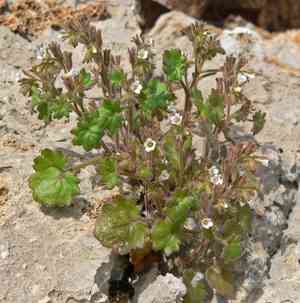
Phacelia rotundifolia, recognized for its appealing circular foliage and violet-blue blossoms, flourishes with appropriate trimming. Essential methods involve excising deceased or compromised stalks and stimulating fresh development by cutting back after blooming. The most suitable periods for pruning are spring, summer, and autumn, coinciding with its developmental stages. Trimming fosters a denser specimen, enhanced air movement, and augmented floral output. Consult botanical recommendations for exact scheduling to guarantee the plant's well-being and robustness.
What Are the Benefits of Pruning Roundleaf Phacelia?
What Are the Benefits of Pruning Roundleaf Phacelia?
Trimming roundleaf phacelia encourages robust development by eliminating dead or weak stems, helps maintain its form, and fosters denser, healthier foliage. It can also boost blooming by directing energy towards flower production and reduces pest and disease issues by improving air circulation.
What Is the Best Time for Pruning Roundleaf Phacelia?
What Is the Best Time for Pruning Roundleaf Phacelia?
Pruning or trimming roundleaf phacelia during Spring, Summer, and Fall aligns with its natural growth cycle. In Spring, roundleaf phacelia emerges from dormancy and begins active growth, making it an ideal time to shape the plant and remove any dead or damaged parts. Summer pruning helps manage the plant's size and shape while ensuring adequate air circulation, which is crucial for preventing fungal diseases. Fall pruning prepares roundleaf phacelia for the winter months by removing spent flowers and growths, ensuring the plant's energy is conserved for the next growing cycle. These seasons provide the best conditions for pruning, as roundleaf phacelia is either actively growing or preparing for dormancy, allowing it to recover quickly and maintain overall health.
What Tools Do I Need to Prune Roundleaf Phacelia?
Bypass Pruners
Perfect for precise cuts on small stems and branches, ensuring clean wounds for healthy regeneration.
Hand Pruners
Useful for removing dead or damaged plant sections and performing light trimming tasks with controlled accuracy.
Pruning Knife
Essential for making delicate, clean cuts on smaller stems, aiding in shaping and maintenance without causing significant disturbance.
How to Prune Roundleaf Phacelia
Observation
Examine the plant thoroughly to identify any withered leaves that require removal. Ensure you can differentiate between healthy and withered leaves to avoid harming the plant.
Sanitize Tools
Before beginning the pruning process, sterilize your pruning shears or scissors to prevent disease transmission. Use rubbing alcohol or a bleach solution for disinfection.
Target Cuts
Carefully trim the withered leaves at the base of the leaf stem. Make clean cuts to avoid tearing the plant tissue, which can lead to infection or further damage.
Disposal
Collect and properly discard all trimmed withered leaves to prevent any potential disease from spreading. Do not leave them near the plant or in the garden.
Review
After pruning, inspect the plant for any missed withered leaves and ensure that the plant appears healthy and well-maintained. Regularly monitor roundleaf phacelia to maintain its health and appearance.
Common Pruning Mistakes with Roundleaf Phacelia
Improper technique
Using dull or unsterilized pruning tools can harm the plant and lead to infections.
Excessive pruning
Cutting back too much can stress roundleaf phacelia and hinder flowering and overall growth.
Incorrect cutting
Making cuts too close to the main stem can damage the plantâs growth points, while leaving too much of a stub can lead to decay.
Wrong timing
Pruning at inappropriate times can result in poor flowering and potentially weaken roundleaf phacelia.
Common Pruning Tips for Roundleaf Phacelia
Sterilize tools
Always use sterilized and sharp pruning tools to make clean cuts and reduce the risk of infections.
Minimal pruning
Prune sparingly to avoid stressing roundleaf phacelia. Focus on removing dead, damaged, or diseased parts only.
Correct cuts
Make cuts at a 45-degree angle just above a leaf node or bud to promote healthy regrowth.
Remove spent flowers
Deadhead spent flowers to encourage more blooms and maintain a tidy appearance.



