How to Prune Varileaf phacelia?
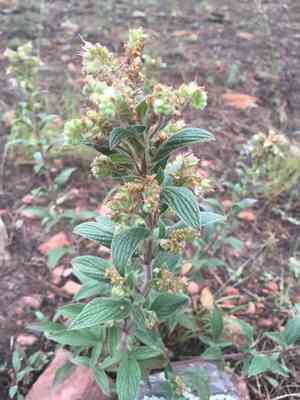
Varileaf phacelia, known for its varied foliage forms and aggregated blue or purple blossoms, thrives with systematic trimming. The most effective times for pruning are late winter and early spring, coinciding with its developmental phase. Eliminate any lifeless or ailing stalks to improve air movement and light exposure, fostering more robust development. Trimming additionally aids in preserving its form and curbing excessive expansion. Particular attention should be given to refraining from severe pruning during its blooming period to safeguard its visual appeal and environmental contribution. Established gardening recommendations endorse these methods for varileaf phacelia.
What Are the Benefits of Pruning Varileaf Phacelia?
What Are the Benefits of Pruning Varileaf Phacelia?
Varileaf phacelia: Trimming promotes robust development, maintains form, and boosts overall plant vitality. It prevents congestion, lessens pest problems, and enhances blooming. Regular trimming ensures varileaf phacelia remains appealing, controlled, and strong, vital for garden success.
What Is the Best Time for Pruning Varileaf Phacelia?
What Is the Best Time for Pruning Varileaf Phacelia?
Trimming varileaf phacelia in late winter or early spring is optimal as this period aligns with the plant's inactive phase. During dormancy, varileaf phacelia is less susceptible to stress and potential disease. Pruning at this time also allows the plant to channel energy into new growth for the upcoming season, ensuring healthier, more vigorous development. Additionally, pruning before active growth begins helps shape the plant and manage its size without negatively impacting flowering or seeding.
What Tools Do I Need to Prune Varileaf Phacelia?
Hand Pruners
Crucial for precise cuts on small to medium stems, perfect for shaping and removing dead or damaged parts of varileaf phacelia.
Pruning Shears
Useful for cutting through thicker stems and branches, enabling efficient removal of larger unwanted growth without harming the plant.
Gloves
Protective gear to prevent skin irritation from handling varileaf phacelia, which can be sensitive for some gardeners.
How to Prune Varileaf Phacelia
Assess
Carefully inspect varileaf phacelia for diseased or withered leaves by closely examining foliage for discoloration, spots, or dryness.
Sterilize
Sanitize pruning shears with rubbing alcohol or a bleach solution to prevent the spread of disease.
Removal
Trim diseased leaves at their base, close to the stem, ensuring all infected parts are removed to stop further spread.
Dispose
Immediately dispose of the removed leaves by placing them in a sealed bag and avoid composting to prevent contamination.
Clean
Re-sterilize your tools post-pruning to ensure no diseases are transferred back to varileaf phacelia or to other plants.
Common Pruning Mistakes with Varileaf Phacelia
Pruning too early
Trimming varileaf phacelia too soon in its growth cycle can result in a loss of potential blooms. It's important to let the plant establish itself before making any significant cuts.
Over-pruning
A frequent error is excessive pruning, which can stress the plant and diminish its flowering capacity. Removing too much at once can strip the plant of essential foliage needed for photosynthesis.
Improper cutting technique
Using dull or dirty tools can cause jagged cuts, leading to wounds susceptible to infection and disease. It’s crucial to use clean, sharp tools for precise cuts.
Ignoring dead or diseased material
Failing to remove dead or diseased stems can hinder the plant's overall health, making it more vulnerable to further issues and reducing its aesthetic appeal.
Random cutting
Randomly cutting stems without considering the plant's overall shape and structure can lead to an uneven and unattractive plant. Strategic pruning is key to maintaining an appealing form.
Common Pruning Tips for Varileaf Phacelia
Use sharp tools
Always use sharp, clean tools to make clean cuts. This helps prevent disease and encourages faster healing of cuts.
Remove dead material first
Begin by removing any dead, damaged, or diseased stems. This will improve air circulation and reduce the risk of disease.
Thin out crowded areas
Focus on thinning out crowded areas to ensure sufficient air flow and sunlight penetration. This helps prevent fungal infections and promotes healthy growth.
Make cuts at an angle
When making cuts, do so at a slight angle to prevent water from collecting on the cut surface, which can foster disease.
Step back and assess
Periodically step back to assess the plant's shape and structure while you prune. This helps maintain a balanced and attractive form.


