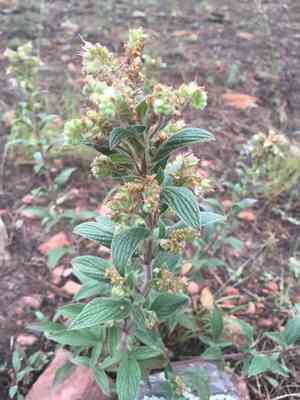
Varileaf phacelia (Phacelia heterophylla)
Also known as: Virgate scorpionweed
The Varileaf phacelia (Phacelia heterophylla) is notable for its diverse leaf shapes and densely packed clusters of lavender to white, bell-shaped flowers. Native to western North America, this plant is commonly found in open woodlands, grasslands, and rocky slopes. Its hairy stems and variable foliage make it well-suited to a range of habitats, from well-drained sandy soils to rocky terrains. The plant's flowers attract numerous pollinators, contributing significantly to the local ecosystem.
In This Article
Attributes of Varileaf phacelia
Lifespan
Annual
Plant Type
Herb
Plant Height
30 cm to 91 cm
Spread
Not applicable
Leaf Color
Green
Flower Size
0.5 to 1 inch
Flower Color
Bluish-purple
Images of Varileaf phacelia
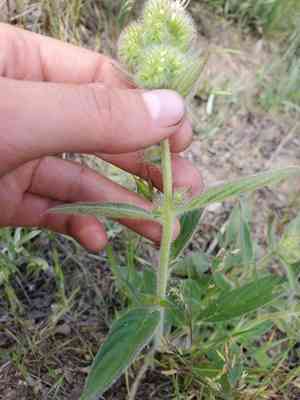
Quickly Identify Varileaf phacelia
1
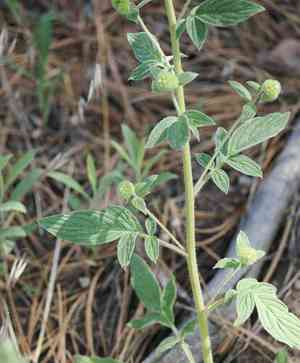
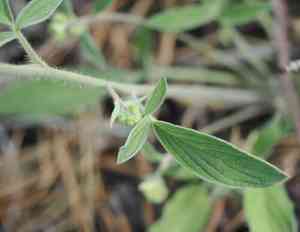
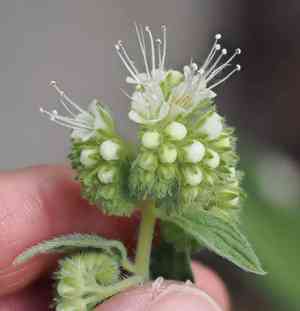
Phacelia heterophylla can be identified by its distinct leaf variability, which ranges from deeply lobed to entire. The flowers are bell-shaped, often bluish-purple, and form in coiled inflorescences called scorpioid cymes.
Scientific Classification of Varileaf phacelia
Phylum
Vascular plants
Class
Dicotyledons
Order
Boraginales
Family
Waterleaf
Genus
Heliotrope
Species
Varileaf phacelia
Planting and Growing of Varileaf phacelia
Care Difficulty
Easy
Watering Schedule
Every 2 days
Sunlight Requirements
Full sun
Sunshine Duration
6-10 hours
Ideal Temperature
60-75℉
Soil Type
Potting Mix, Peat Mix
Soil pH
6.5-7.5
Fertilizer Type
Balanced
Pruning Season
Spring, Summer
Pruning Area
Branches, Leaves
Pruning Frequency
2 times a year
Repotting Season
Spring
Pot Type
Plastic, Ceramic
 How to Water Varileaf phacelia?
For Phacelia heterophylla, it is essential to ensure the soil remains consistently moist but not waterlogged. Water with around 250 ml, aiming for even moisture distribution without any standing water to prevent root rot. Check the top inch of soil; if dry, it's time to water.
What are the symptoms of an underwatered Varileaf phacelia?
›
What should I do if my Varileaf phacelia is not getting enough water?
›
What are the symptoms of an overwatered Varileaf phacelia?
›
How to save an overwatered Varileaf phacelia?
›
 What Are the Sunlight Requirements for Varileaf phacelia?
Phacelia heterophylla prospers in conditions ranging from full sun to partial sun, ideally benefiting from 6 to 8 hours of sunlight daily. Providing ideal lighting conditions enhances its photosynthesis efficiency, supporting vigorous growth and abundant flowering.
How much sunlight is ideal for Phacelia heterophylla?
›
What if natural light is limited?
›
What are the benefits of achieving ideal sunlight conditions?
›
 What Is the Ideal Temperature Range for Varileaf phacelia?
The ideal temperature range of 60-75°F is crucial for Phacelia heterophylla as it promotes optimal growth and development. Within this range, the plant can efficiently perform photosynthesis, leading to healthy foliage and a robust root system.
 What Soil is Best for Varileaf phacelia?
Phacelia heterophylla thrives in well-drained soils that prevent waterlogging. Good drainage reduces root rot risk and provides the roots adequate air, promoting healthy growth and a robust bloom. Using nutrient-rich soil varieties ensures ample macro and micronutrients are available. This propels photosynthesis and boosts the plant's growth cycle, leading to lush foliage and vibrant flowers. A light soil texture, such as sandy loam, allows easy root penetration and expansion. This results in better nutrient absorption, leading to stronger and more resilient plants.
 How to Fertilize Varileaf phacelia?
For Phacelia heterophylla, use a balanced, water-soluble fertilizer diluted to half strength. Apply approximately 1 teaspoon per gallon of water for liquid feeding. For slow-release options, sprinkle a small handful around the base, avoiding direct contact with the stem.
 How to Prune Varileaf phacelia?
Begin by identifying the areas of the plant that require trimming. Look for damaged, dead, or diseased stems and blooms. These parts should be your primary focus during pruning. Cut back the excess growth to promote a healthy shape. Remove any crossing branches to allow light and air penetration. Use angled cuts above a bud to encourage outward growth. Regularly remove spent blooms to allow the plant to divert energy into fresh growth and future flowering. Deadheading ensures a longer blooming period and tidier appearance.
More About Pruning Techniques→
 How to Propagate Varileaf phacelia plant?
1
Choose robust, disease-free seeds from a reputable source or harvest them from a healthy plant. Testing the seeds by water flotation can help determine seed viability.
2
Select healthy, non-flowering stems that are at least 4 inches long for cuttings. Cut the stems at a 45-degree angle using clean pruning shears to optimize rooting potential.
3
Plant the prepared cuttings in a well-draining rooting medium, such as a mix of perlite and peat moss. Maintain a moist environment to encourage root development.
 How to Repot Varileaf phacelia plant?
1
Phacelia heterophylla typically requires repotting when you notice roots growing through the drainage holes or when the soil no longer retains moisture well. These signals indicate that the plant is outgrowing its current pot, and the soil may be compacted, requiring a fresh start. Repotting during spring or early autumn ensures the plant isn't stressed by extreme temperatures.
2
Select a pot that is 1-2 inches larger in diameter than the current one to provide enough space for new growth. Ensure the pot has good drainage holes to prevent water logging, which can lead to root rot. A pot with drainage ensures healthy root development and helps the plant thrive by keeping the roots from sitting in water.
3
Opt for a well-draining potting mix to ensure that excess water can flow away quickly, minimizing the risk of root rot. A well-draining soil mix typically contains components like perlite or sand that improve aeration and drainage, providing a balanced medium for healthy plant growth.
Learn More About Varileaf phacelia Diseases
Anthracnose
Bacterial Leaf Spot
Bacterial Soft Rot
Bacterial Wilt
Black Spot
Chemical Injury
Crown Gall
Cyst Nematode
Damping-off
Downy Mildew
Drought Stress
Fusarium Wilt
Gray Mold
Leaf Curl
Leaf Spot
Mosaic
Nutrient Deficiency
Nutrient Toxicity
Powdery Mildew
Root Rot
Root-knot Nematode
Rusts
Sooty Mold
Spider Mites
Temperature Stress
Thrips Damage
White Mold


