How to Prune Silverleaf Scorpionweed?
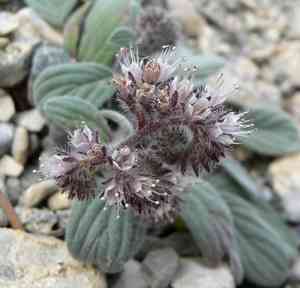
Celebrated for its unique silvery leaves and vivid flowers, silverleaf Scorpionweed thrives with trimming to sustain its vitality and aesthetic. Perform pruning in springtime to foster a denser form, eliminating any lifeless or frail stalks. Throughout the summer, remove faded blooms to extend the flowering period and deter uncontrolled seed dispersal. Trimming ought to focus on shaping and excising compromised parts, which additionally enhances air movement and the plant's well-being. The timing of pruning is crucial to prevent interfering with silverleaf Scorpionweed's inherent developmental rhythm.
What Are the Benefits of Pruning Silverleaf Scorpionweed?
What Are the Benefits of Pruning Silverleaf Scorpionweed?
Trimming silverleaf Scorpionweed promotes robust development and helps maintain its desired form, preventing excessive growth that could negatively impact the plant's health and appearance.
What Is the Best Time for Pruning Silverleaf Scorpionweed?
What Is the Best Time for Pruning Silverleaf Scorpionweed?
Pruning silverleaf Scorpionweed in late spring coincides with the post-bloom period, ensuring the plant's energy is directed toward new growth and recuperation. Trimming in early summer aids in shape and health maintenance, removing any spent flowers or damaged stems from late spring weather, encouraging a second flowering in suitable species. Avoiding pruning during flowering prevents disruption of the plant's reproductive cycle. Seasons are chosen to encourage vigorous growth, prevent disease, and protect plant health, reflecting silverleaf Scorpionweed's growth cycle and seasonal development.
What Tools Do I Need to Prune Silverleaf Scorpionweed?
Bypass Pruners
Silverleaf Scorpionweed possesses delicate stems that require clean, precise cuts to avoid harm. Bypass pruners are ideal, functioning like scissors to provide sharp, smooth cuts that encourage healthy regrowth.
Gloves
When handling silverleaf Scorpionweed, it's crucial to shield your hands from potential irritants or thorns. Durable gardening gloves offer the necessary protection during pruning.
Garden Scissors
For the finer or softer stems of silverleaf Scorpionweed, garden scissors can be utilized for accurate trimming and shaping, offering greater control than larger pruners.
Pruning Shears
For the thicker stems or more vigorous growth of silverleaf Scorpionweed, a sturdy pair of pruning shears can make larger cuts cleanly without causing strain to the gardener.
How to Prune Silverleaf Scorpionweed
Disinfect tools
Sanitize your pruning shears or scissors by wiping them with a solution of 1 part bleach to 9 parts water to prevent the spread of disease.
Identify diseased parts
Examine silverleaf Scorpionweed closely to locate any diseased leaves or stems. Signs may include discoloration, spots, or visible decay.
Cut diseased parts
Carefully trim off diseased leaves and stems of silverleaf Scorpionweed, making clean cuts at a 45-degree angle to avoid damaging healthy tissue and to enable water runoff.
Remove withered leaves
Prune any withered leaves to maintain air circulation and encourage healthy growth in silverleaf Scorpionweed.
Clean up
Dispose of all removed plant parts properly to prevent potential disease spread. Clean your tools again and allow silverleaf Scorpionweed to heal without additional interference.
Common Pruning Mistakes with Silverleaf Scorpionweed
Overpruning
Removing too much of silverleaf Scorpionweed's foliage at once can hinder its ability to photosynthesize and recover, leading to stressed plants and stunted growth.
Blunt tools
Using dull or unsanitary pruning tools can result in ragged cuts that are more susceptible to disease and pest infestation.
Ignoring health
Failing to prune away dead or diseased parts of silverleaf Scorpionweed can allow the damage to spread, affecting the overall health of the plant.
Uneven cuts
Making cuts at incorrect angles or tearing stems can lead to uneven healing and potentially open the door to various infections.
Pruning active growth
Pruning silverleaf Scorpionweed during periods of active growth can lead to excessive sap loss and weaken the plant.
Common Pruning Tips for Silverleaf Scorpionweed
Correct tools
Use sharp, clean pruning shears or scissors to make clean cuts that silverleaf Scorpionweed can heal from smoothly and quickly.
Healthy tissue
Cut back to healthy tissue to prevent the spread of disease and encourage new, healthy growth in silverleaf Scorpionweed.
Shape maintenance
Trim silverleaf Scorpionweed judiciously to maintain its natural shape, removing only what is necessary to foster a healthy and aesthetically pleasing plant.
Damaged limbs
Remove diseased or damaged stems first to prevent stress on silverleaf Scorpionweed and to promote better air circulation within the foliage, which can reduce disease risk.
Speed recovery
After pruning, ensure silverleaf Scorpionweed has adequate water and nutrients to help speed up the plant's recovery process.



