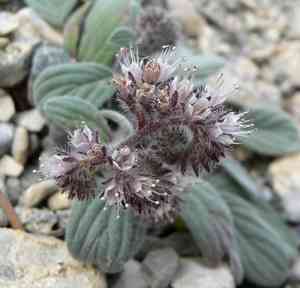
Silverleaf Scorpionweed (Phacelia hastata)
Also known as: White-Leaf Phacelia, Timberline Silverleaf Phacelia
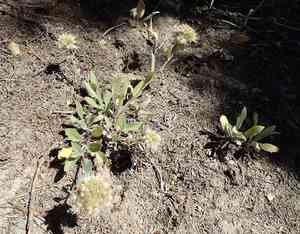
The Silverleaf Scorpionweed is a perennial herb native to western North America. Its flowers are particularly eye-catching due to their vibrant purple hue and bell-shaped structure. These small blooms are arranged in dense, coiled clusters, and feature long stamens that extend well beyond the petals, giving them a unique, fuzzy look. The plant's foliage forms tufts at the base, providing a striking contrast with its silvery-green, finely divided leaves.
In This Article
Attributes of Silverleaf Scorpionweed
Lifespan
Perennial
Plant Type
Herb
Plant Height
15 cm to 91 cm
Spread
30 cm
Leaf Color
Green Blue Bronze
Flower Size
6 mm
Flower Color
Purple White Yellow Green
Images of Silverleaf Scorpionweed
Quickly Identify Silverleaf Scorpionweed
1
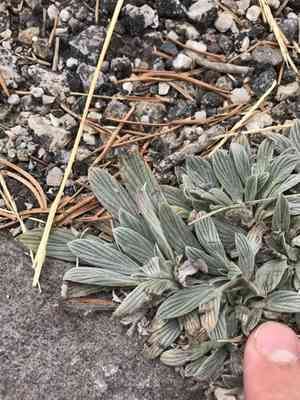
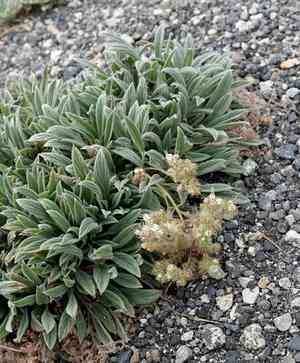
Phacelia hastata can be identified by its silvery-green leaves covered in fine hairs, giving them a grayish appearance. Its flowers are small, clustered, and typically light blue or lavender in color.
Scientific Classification of Silverleaf Scorpionweed
Phylum
Vascular plants
Class
Dicotyledons
Order
Boraginales
Family
Waterleaf
Genus
Heliotrope
Species
Silverleaf Scorpionweed
Planting and Growing of Silverleaf Scorpionweed
Care Difficulty
Easy
Watering Schedule
Every 2 days
Sunlight Requirements
Full sun
Sunshine Duration
4-8 hours
Ideal Temperature
55-75℉
Soil Type
Potting Mix, Peat Mix
Soil pH
6.5-7.5
Fertilizer Type
Balanced
Pruning Season
Spring, Summer
Pruning Area
Branches, Leaves
Pruning Frequency
2 times a year
Repotting Season
Spring
Pot Type
Plastic, Ceramic
 How to Water Silverleaf Scorpionweed?
Phacelia hastata prefers soil that is kept slightly moist but not waterlogged. Each watering should deliver about 250 ml of water to ensure the soil remains adequately moist. It's crucial to water thoroughly until you see water draining out the bottom of the pot, which indicates that the moisture has reached the roots. Ensure the top layer of soil dries out between watering to avoid root rot.
What are the symptoms of an underwatered Silverleaf Scorpionweed?
›
What should I do if my Silverleaf Scorpionweed is not getting enough water?
›
What are the symptoms of an overwatered Silverleaf Scorpionweed?
›
How to save an overwatered Silverleaf Scorpionweed?
›
 What Are the Sunlight Requirements for Silverleaf Scorpionweed?
Phacelia hastata prefers full sun or partial sun conditions, ideally for about six to eight hours a day. Proper light exposure enhances flowering and promotes vigorous growth.
More About Sunlight Requirements Techniques→
Understanding Sunlight Needs
›
Creating Ideal Conditions
›
Benefits of Proper Lighting
›
 What Is the Ideal Temperature Range for Silverleaf Scorpionweed?
Phacelia hastata thrives in temperatures between 55°F and 75°F. This range enables optimal enzyme function and nutrient uptake, leading to vigorous growth and vibrant blooms. Maintaining these conditions in a controlled environment can maximize the plant's potential.
 What Soil is Best for Silverleaf Scorpionweed?
Phacelia hastata thrives in well-drained soils that prevent root rot and other moisture-related issues, ensuring healthy growth and abundant flowering. This plant prefers soils with moderate fertility. Excessive nutrients can lead to lush foliage with reduced flowering. The ability to tolerate slightly alkaline soils (up to pH 7.5) allows for flexibility in planting locations, making it versatile for various garden settings.
 How to Fertilize Silverleaf Scorpionweed?
For Phacelia hastata, using a balanced 10-10-10 liquid fertilizer at half-strength is recommended. Each application should consist of no more than 200 milliliters per plant. Ensure even distribution to avoid any nutrient burn issues.
 How to Prune Silverleaf Scorpionweed?
Begin by carefully inspecting the plant to identify any dead, damaged, or diseased stems. These parts should be removed first to prevent the spread of disease and to invigorate healthy growth. Trim back about one-third of the older growth to promote new blooms. Cut just above a leaf node, which is crucial to encourage branching and a fuller plant appearance. Avoid cutting too close to the nodes to prevent stress. After completing the trimming, step back and assess the overall shape and balance of the plant. Make minor adjustments if necessary to ensure symmetry and even growth across the plant.
More About Pruning Techniques→
 How to Propagate Silverleaf Scorpionweed plant?
1
Prepare a well-draining potting mix by combining equal parts of peat moss and perlite. This mixture allows for proper air circulation and root development for Phacelia hastata seeds.
2
Sow the seeds thinly across the surface of the prepared soil. Cover them lightly with a thin layer of soil or vermiculite to retain moisture and encourage germination.
3
Water the seeds gently using a spray bottle to avoid displacing them. Keep the soil consistently moist, but be careful not to overwater, which could lead to rot.
 How to Repot Silverleaf Scorpionweed plant?
1
Repot Phacelia hastata when its roots grow out through the drainage holes, or if the plant appears stunted or top-heavy. These signals indicate that the plant requires more space to grow robustly. Opt for repotting in early spring or mid-summer, as these seasons encourage optimal growth.
2
Choose a pot that is one to two sizes larger than the current one, with ample drainage holes to allow excess water to escape. Using a well-sized pot improves aeration and prevents waterlogging, ensuring that the root system develops healthily without suffering from root rot.
3
Select a well-drained sandy soil mix enriched with organic matter. This blend ensures good air circulation around the roots while providing the necessary nutrients. The soil's capacity to hold moisture without being soggy is crucial for Phacelia hastata's health.
Learn More About Silverleaf Scorpionweed Diseases
Anthracnose
Bacterial Leaf Spot
Bacterial Wilt
Crown Gall
Cyst Nematode
Damping-off
Downy Mildew
Drought Stress
Fusarium Wilt
Gray Mold
Leaf Spot
Mosaic
Nutrient Deficiency
Nutrient Toxicity
Powdery Mildew
Root Rot
Root-knot Nematode
Rusts
Sooty Mold
Spider Mites
Temperature Stress
Thrips Damage
White Mold



