How to Prune Douglas' phacelia?
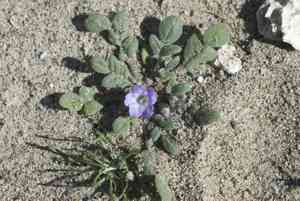
Phacelia douglasiana is an annual or biennial herbaceous plant recognized for its appealing bunches of blossoms, ranging from blue to violet. To preserve its form and foster robust development, trim it during its peak growth periods: spring, summer, and autumn. Eliminate faded flowers and any lifeless or compromised stalks to stimulate further flowering and deter illness. Refrain from severe trimming, as this can cause strain to the plant. Trimming aids in air movement, diminishing the chance of mildew and boosting the plant's general health.
What Are the Benefits of Pruning Douglas' Phacelia?
What Are the Benefits of Pruning Douglas' Phacelia?
Trimming douglas' phacelia encourages robust development and assists in maintaining an ideal form. Regular trimming fosters healthy foliage, supports abundant blooming, and can prevent pest infestations and illnesses. Effective trimming improves the plant's overall look and guarantees it stays manageable in its growing space.
What Is the Best Time for Pruning Douglas' Phacelia?
What Is the Best Time for Pruning Douglas' Phacelia?
Trimming or cutting back douglas' phacelia during Spring, Summer, and Fall is optimal as these periods align with its active growth cycle. Early Spring trimming allows the plant to direct its energy towards producing new shoots, leading to more vigorous and healthier growth. Summer trimming aids in preserving the plant's shape and eliminating any undesirable growth that may have occurred after the Spring flush. Fall trimming is advantageous for preparing the plant for its dormant winter phase, ensuring any damaged or diseased parts are removed, thereby lowering the risk of infections. Timing the trimming to these seasons supports douglas' phacelia's natural growth patterns, promotes better flowering, and enhances overall plant health.
What Tools Do I Need to Prune Douglas' Phacelia?
Hand Pruners
Perfect for making precise cuts on woody stems and smaller branches. Since douglas' phacelia typically has more delicate stems, hand pruners will help prevent damage by providing clean cuts.
Bypass Pruners
Ideal for snipping soft stems and new growth. Bypass pruners with sharp blades prevent crushing the plant tissue of douglas' phacelia, promoting healthy development.
Pruning Scissors
Excellent for detailed trimming and shaping douglas' phacelia. These scissors are superb for fine-tuning the plant's appearance and removing spent flowers or damaged leaves.
Garden Shears
Useful for larger clusters or dense areas where precision is less critical. Garden shears can quickly reduce the size and manage the spread of douglas' phacelia without causing excessive stress to the plant.
Gloves
Crucial for protecting hands while trimming and cleaning around douglas' phacelia. They help prevent skin irritation or potential allergic reactions from handling the plant.
How to Prune Douglas' Phacelia
Identify
Carefully inspect the plant to locate any withered leaves that require removal. Look for leaves that are discolored, limp, or dried out.
Prepare tools
Gather appropriate tools for trimming, such as a pair of clean, sharp pruning shears or scissors. Ensure your tools are sanitized to prevent the spread of disease.
Cut technique
Gently hold the withered leaf and make a clean cut at the base of the petiole (the stem connecting the leaf to the main stalk). Avoid tearing or harming adjacent healthy tissue.
Cleanup
Collect and dispose of the withered leaves properly. Do not leave trimmed leaves around the base of the plant, as they can harbor pests and diseases.
Inspection
After trimming, examine the plant for any additional signs of stress or illness. Ensure the plant has sufficient water and nutrients to encourage healthy growth.
Common Pruning Mistakes with Douglas' Phacelia
Improper Technique
Using dull or dirty trimming tools can cause harm and increase the risk of disease. Incorrect cutting methods, such as tearing branches instead of clean cuts, are also frequent errors.
Over-Pruning
Removing too much foliage at once can stress the plant, leading to diminished growth and flowering. This is especially detrimental to douglas' phacelia, which relies on its leaves for photosynthesis.
Pruning at Incorrect Nodes
Cutting at the wrong spot on the stem can impede new growth. Avoid cutting too close to the main stem or too far from a node, as this can result in dieback and unhealthy new growth.
Ignoring Dead or Diseased Parts
Failing to remove dead or diseased stems can spread illness to healthy parts of the plant. Overlooking these sections can hinder douglas' phacelia's full potential for growth.
Common Pruning Tips for Douglas' Phacelia
Use Clean, Sharp Tools
Always ensure your pruning shears or scissors are sharp and sterilized. This will help you make clean cuts, which promotes quicker healing and reduces the chance of disease.
Target Dead and Diseased Stems First
Begin by removing any dead, damaged, or diseased stems. This will help douglas' phacelia focus its energy on healthy growth and flowering, making the plant more robust.
Prune for Shape and Airflow
Prune to maintain a healthy shape and improve airflow within the plant. Adequate airflow helps reduce the risk of fungal infections and encourages even growth. Be careful to not over-prune; thin out branches strategically to allow light to penetrate.
Cut Above Nodes Correctly
When making pruning cuts, always cut just above a node (the point on the stem where leaves or branches emerge). This encourages new growth from that point and helps maintain the plantâs natural form.
Prune Gradually
Instead of removing large sections at once, prune gradually over time. This reduces stress on douglas' phacelia and ensures that it can recover and continue to grow healthily.



