How to Propagate Douglas' phacelia?
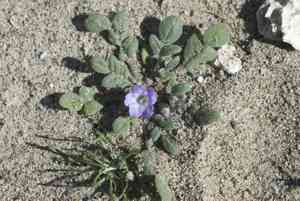
Phacelia douglasiana is a hardy perennial recognized for its diminutive, campanulate blossoms. To achieve effective propagation, seeds ought to be scattered directly upon the ground's surface and gently compressed to guarantee proper contact. Maintain the substrate uniformly damp, yet adequately permeable. Applying mulch aids in moisture retention and weed suppression. Sprouting generally takes place within several weeks. Prune young plants to avert excessive density, fostering vigorous development. Ensure ample sunlight exposure and shield from powerful gusts.
Optimal Period for Douglas' Phacelia Propagation
Propagation Method
Seeding
Propagation Period
Spring
Equipment for Douglas' Phacelia Propagation
Seed Trays
Seed trays offer a regulated setting for planting douglas' phacelia seeds, enabling effortless observation and consistent moisture levels. Their individual compartments help prevent root disruption during transplanting.
Seedling Heat Mat
A heat mat can supply steady warmth, which is especially advantageous for germinating douglas' phacelia seeds. This ensures a more uniform and quicker germination process.
Humidity Dome
Used to cover seed trays, a humidity dome maintains high humidity levels, which is vital for the successful germination of douglas' phacelia by preventing seedling dehydration.
Seed Starting Mix
A light and well-draining seed starting mix supports seedling growth by providing adequate moisture and aeration, reducing the risk of damping-off disease in young douglas' phacelia plants.
Mist Sprayer
A mist sprayer aids in maintaining consistent moisture levels on the surface of the seed starting mix without disturbing the seeds. This is essential for the delicate seeds of douglas' phacelia.
Labels and Marker
Accurate labeling ensures that different varieties and planting dates of douglas' phacelia are tracked, aiding in the proper management during the propagation process.
Propagating Douglas' Phacelia
Propagation Difficulty
Simple
Post-Propagation Care for Douglas' Phacelia
Post-Propagation Care for Douglas' Phacelia
After transplanting, keep the soil consistently moist but not waterlogged. Ensure the location receives full sun to partial shade. Protect young plants from extreme weather conditions, such as frost or intense heat. Apply mulch around the base to retain moisture and suppress weeds. Fertilize monthly with a balanced, water-soluble fertilizer diluted to half strength. Monitor for pests and diseases, and take appropriate action if needed. Trim spent flowers to promote continued blooming.
Common Errors to Avoid When Propagating Douglas' Phacelia
Incorrect Soil Type
Using soil that does not mimic douglas' phacelia's natural habitat can lead to poor growth or plant failure. Douglas' phacelia prefers well-draining soil and poor choices can cause waterlogging and root rot.
Overwatering
Excessive water can lead to root rot or fungal diseases. Douglas' phacelia requires minimal watering once established, and too much water can drown the roots.
Improper Light Conditions
Planting douglas' phacelia in full shade can hinder its growth, as it prefers full sun or partial shade. Insufficient light can weaken the plant.
Neglecting Seed Preparation
Not providing the needed cold stratification process can result in poor germination rates. Douglas' phacelia seeds often require a period of cold treatment to break dormancy.
Crowded Planting
Planting too many seeds or seedlings close together can cause overcrowding, leading to competition for nutrients and poor growth of douglas' phacelia.
Advice for Propagating Douglas' Phacelia
Appropriate Soil Selection
Use well-draining soil that approximates douglas' phacelia's natural environment to prevent waterlogging and root issues.
Controlled Watering
Water douglas' phacelia sparingly, particularly after it is established, to avoid root diseases and ensure robust growth.
Optimal Lighting
Ensure douglas' phacelia is planted in an area with full sun or partial shade to support its growth requirements.
Seed Stratification
Perform cold stratification on seeds before planting to enhance germination rates. This process mimics natural conditions and helps break seed dormancy.
Spacing
Plant seeds or seedlings with sufficient space between them to prevent overcrowding and ensure each plant has access to adequate nutrients and light.



