How to Prune Calthaleaf phacelia?
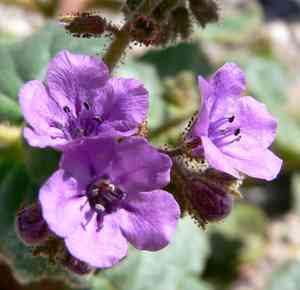
This unique indigenous plant, calthaleaf phacelia, featuring campanulate flowers, benefits from periodic trimming. In spring, remove any lifeless or frail stalks to stimulate robust development. After flowering in summer, perform a gentle shaping. Should it be required, decrease its dimensions in autumn, but refrain from extensive cuts to safeguard its resilience during winter. Pruning improves air movement and deters ailments, preserving the plant's well-being and visual appeal. Restrict your efforts to excising only what is essential, concentrating on impaired sections and excessive growth.
What Are the Benefits of Pruning Calthaleaf Phacelia?
What Are the Benefits of Pruning Calthaleaf Phacelia?
Trimming calthaleaf phacelia promotes vigorous development, leading to a robust and full appearance. It also aids in maintaining its desired form and dimensions, ensuring calthaleaf phacelia remains visually appealing in the garden.
What Is the Best Time for Pruning Calthaleaf Phacelia?
What Is the Best Time for Pruning Calthaleaf Phacelia?
For calthaleaf phacelia, the ideal periods for pruning or trimming are spring, summer, and fall. These seasons are optimal because spring is when calthaleaf phacelia actively grows, making it perfect for shaping the plant and encouraging bushier growth by removing any dead, damaged, or overwintered stems. Summer pruning, especially after blooming, helps remove spent flowers to encourage more blooms, improve air circulation, and reduce disease risk. This season is also good for light trimming to keep calthaleaf phacelia's desired shape and size. In fall, light pruning can help prepare calthaleaf phacelia for winter by removing any diseased or dead foliage and stems. Pruning during these times aligns with the plant's growth cycle, making it less prone to stress and contributing to its overall health and vitality.
What Tools Do I Need to Prune Calthaleaf Phacelia?
Bypass Pruners
Perfect for making clean cuts on green stems and branches. Due to calthaleaf phacelia's delicate nature, bypass pruners allow gardeners to snip without crushing plant tissues.
Garden Scissors
Best for deadheading or cutting smaller, more delicate stems. These can assist in maintaining calthaleaf phacelia's shape and precisely removing spent blooms.
Pruning Saw
For thicker branches that may occasionally need removal, a pruning saw can make the cut without harming the rest of calthaleaf phacelia.
Gloves
Though not a cutting tool, gloves are crucial for protecting the gardener's hands from scratches and ensuring safe handling of pruning tools when working with calthaleaf phacelia.
How to Prune Calthaleaf Phacelia
Inspect
Examine calthaleaf phacelia thoroughly to identify all withered leaves that require removal. Prioritize leaves that are brown, dried out, or show signs of disease to maintain calthaleaf phacelia's health.
Sanitize
Before beginning the pruning process, disinfect your pruning tools with a bleach or alcohol solution to prevent disease spread to healthy parts of calthaleaf phacelia.
Trim
Using sharp, clean pruning shears, carefully remove the withered leaves at their base where they connect to calthaleaf phacelia's stem or branch. Ensure a clean cut to minimize damage and promote quick healing.
Dispose
After trimming, gather all withered leaves and debris from around calthaleaf phacelia to prevent any potential disease spread. Dispose of the material in a compost bin if disease-free, or trash if the leaves show signs of infection.
Monitor
Observe calthaleaf phacelia after pruning to ensure no additional withered leaves appear. Regularly inspect and maintain calthaleaf phacelia through proper watering and fertilization for continued healthy growth.
Common Pruning Mistakes with Calthaleaf Phacelia
Overpruning
Removing too much foliage from calthaleaf phacelia at once can hinder its growth and compromise its health. A cautious approach is essential, as excessive pruning can lead to a weakened plant more susceptible to disease and poor development.
Incorrect cutting technique
Cutting calthaleaf phacelia improperly can create jagged edges that take longer to heal, leaving it vulnerable to pests and diseases. Cutting at the wrong angle or using dull tools can unnecessarily damage plant tissues.
Neglecting pruning hygiene
Using tools that are not cleaned or sterilized between uses can spread diseases from one plant to another. Hygiene is vital when pruning calthaleaf phacelia to prevent the transfer of any pathogens.
Pruning without a plan
Random, unplanned pruning can result in a poorly shaped plant with unbalanced growth. Gardeners should plan their pruning strategy beforehand to ensure the desired shape and health for calthaleaf phacelia.
Disregarding plant health
Pruning calthaleaf phacelia when it is stressed or unhealthy can put additional strain on it. Checking the plant's health prior to pruning is important to avoid causing further stress.
Common Pruning Tips for Calthaleaf Phacelia
Sharp and clean tools
Always use sharp, sterilized pruning tools to make clean cuts on calthaleaf phacelia and minimize damage to plant tissues, reducing disease risk and promoting quicker healing.
Light pruning approach
Adopt a gentle approach to pruning calthaleaf phacelia, focusing on removing only dead, diseased, or overgrown foliage to maintain plant health without stimulating excessive growth.
Prune for airflow
Thinning out crowded areas of calthaleaf phacelia can improve air circulation, reducing the chance of fungal infections and boosting overall plant health.
Angle cuts away from buds
Make cuts at a 45-degree angle, away from leaf buds, to encourage proper healing and guide new growth in the desired direction.
Regular maintenance
Regularly inspect calthaleaf phacelia for dead or diseased growth, and remove it promptly. This targeted maintenance helps the plant to direct its energy to healthy foliage and blooms.



