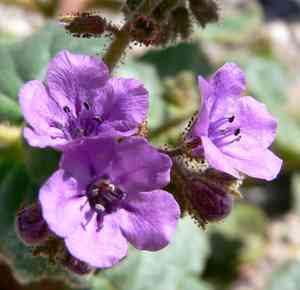
Calthaleaf phacelia (Phacelia calthifolia)
Also known as: None
Calthaleaf phacelia is commonly located in Death Valley and the Mojave Desert at elevations below 1000 meters. It’s wise to avoid direct contact with this plant, as its leaf and stem secretions can trigger contact dermatitis. The plant's vibrant flowers do attract pollinators like butterflies and bees.
In This Article
Attributes of Calthaleaf phacelia
Lifespan
Annual
Plant Type
Herb
Plant Height
15 cm to 30 cm
Spread
Varies
Leaf Color
Green
Flower Size
2.5 cm
Flower Color
Purple
Images of Calthaleaf phacelia
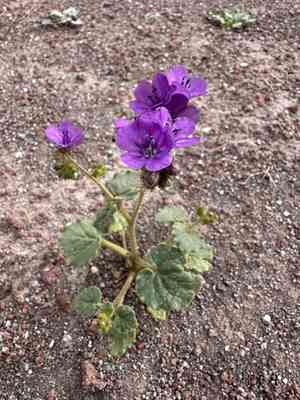
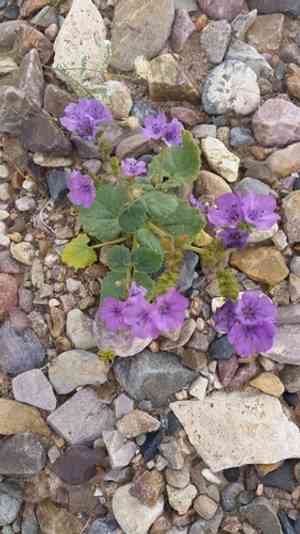
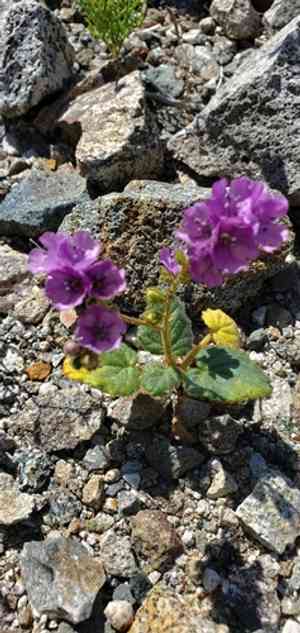
Quickly Identify Calthaleaf phacelia
1
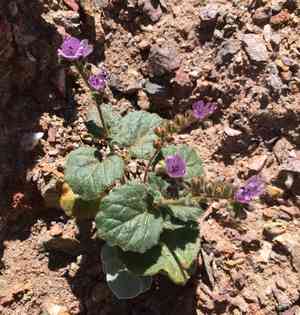
Phacelia calthifolia can be recognized by its rounded, scalloped leaves that resemble those of the marsh marigold (Caltha palustris). The plant produces cluster-like inflorescences of small, tubular flowers that are typically blue or violet in color. The flowers have five lobes and are hairy. Additionally, the plant has a hairy stem.
Scientific Classification of Calthaleaf phacelia
Phylum
Vascular plants
Class
Dicotyledons
Order
Boraginales
Family
Waterleaf
Genus
Heliotrope
Species
Calthaleaf phacelia
Planting and Growing of Calthaleaf phacelia
Care Difficulty
Easy
Watering Schedule
Every 4 days
Sunlight Requirements
Full sun
Sunshine Duration
6-12 hours
Ideal Temperature
50-75℉
Soil Type
Potting Mix, Peat Mix
Soil pH
6.5-7.5
Fertilizer Type
Balanced
Pruning Season
Spring, Summer
Pruning Area
Branches, Leaves
Pruning Frequency
2 times a year
Repotting Season
Spring
Pot Type
Plastic, Ceramic
 How to Water Calthaleaf phacelia?
Each time you water Phacelia calthifolia, aim to provide around 250 ml. The idea is to keep the soil consistently moist, but not soggy. Ensuring proper drainage is essential; you want the water to reach the roots without drowning them.
What are the symptoms of an underwatered Calthaleaf phacelia?
›
What should I do if my Calthaleaf phacelia is not getting enough water?
›
What are the symptoms of an overwatered Calthaleaf phacelia?
›
How to save an overwatered Calthaleaf phacelia?
›
 What Are the Sunlight Requirements for Calthaleaf phacelia?
Phacelia calthifolia thrives in partial to full sun. Adequate sunlight exposure ensures energetic growth and prolific flowering, maximizing the plant's ornamental appeal and biological functions.
More About Sunlight Requirements Techniques→
Ideal Orientation
›
Shading Solutions
›
Optimal Outcomes
›
 What Is the Ideal Temperature Range for Calthaleaf phacelia?
The ideal temperature range for the growth of Phacelia calthifolia is between 50°F and 75°F. This range provides the optimal conditions for photosynthesis and nutrient uptake, ensuring healthy growth and blooms. Maintaining this temperature helps stabilize the plant's internal processes and promotes its overall vigor.
 What Soil is Best for Calthaleaf phacelia?
Phacelia calthifolia thrives in nutrient-rich soils that offer essential minerals for optimal growth. This type of soil provides the necessary nutrients to support its vibrant bloom and lush foliage, resulting in healthier plants. This plant prefers well-draining soils that prevent waterlogging, ensuring that the roots are not exposed to excess moisture. Good drainage helps in maintaining healthy root systems and prevents the risk of root rot. While Phacelia calthifolia enjoys well-drained soil, moderate moisture is essential for its growth. Consistent soil moisture without oversaturation encourages steady growth and blooming cycles.
 How to Fertilize Calthaleaf phacelia?
For Phacelia calthifolia, it's essential to use a balanced fertilizer diluted to half strength for liquid application. A teaspoon (about 5 ml) of liquid fertilizer mixed into a gallon (3.8 liters) of water is typically sufficient per application.
 How to Prune Calthaleaf phacelia?
Begin by examining your Phacelia calthifolia for any parts that look dead or diseased. These will often appear brown, blackened, or wilted. Removing them helps prevent the spread of disease and encourages healthier growth. When cutting back branches or stems, always make your cuts just above a leaf node. This will promote new growth from the node, encouraging a bushier appearance and a healthier plant structure. If you're pruning for shape, carefully trim excess growth to maintain a uniform appearance. A balanced shape not only looks more appealing but also improves airflow through the plant, which can prevent mildew and rot.
More About Pruning Techniques→
 How to Propagate Calthaleaf phacelia plant?
1
Select healthy and mature seeds for propagation. Ensure that the seeds are free from disease and have been stored properly. This initial step sets the foundation for strong and viable seedlings.
2
Prepare a well-draining seed-starting mix. The soil should be loose, rich in organic matter, and slightly damp. A good soil mix helps in providing the necessary nutrients and aeration for seed germination.
3
Sow the seeds evenly across the prepared soil surface. Cover them with a thin layer of soil. Ensure that the seeds are not buried too deep, as they require light exposure to trigger germination.
 How to Repot Calthaleaf phacelia plant?
1
Repot Phacelia calthifolia when you see roots growing out of the drainage holes or the plant's growth seems stunted. It's a sign that the roots need more room to expand. The best time is during spring, allowing the plant to establish roots in its new container before peak growth season.
2
Select a pot that is about 1 to 2 inches larger in diameter than the current one. Ensure it has good drainage, as Phacelia calthifolia doesn't like soggy roots. A terracotta pot can help as it absorbs excess moisture, which benefits the plant's root system by providing better airflow.
3
Use a well-draining sandy soil mix to prevent waterlogging. This type of soil ensures adequate drainage and mimics the plant's natural habitat, promoting healthy root growth and reducing the risk of root rot, a common issue in poorly draining soils.
Learn More About Calthaleaf phacelia Diseases
Anthracnose
Bacterial Leaf Spot
Bacterial Soft Rot
Bacterial Wilt
Chemical Injury
Damping-off
Downy Mildew
Drought Stress
Fusarium Wilt
Gray Mold
Leaf Spot
Mosaic
Nutrient Deficiency
Nutrient Toxicity
Powdery Mildew
Root Rot
Root-knot Nematode
Rusts
Sooty Mold
Spider Mites
Temperature Stress
Thrips Damage
White Mold



