How to Prune Fernleaf phacelia?
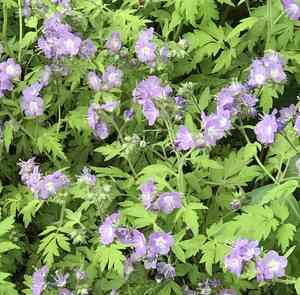
A biennial species indigenous to the region, recognized for its appealing blue to violet flowers, fernleaf phacelia tolerates light trimming effectively. Remove withered or faded blooms following their late spring to summer flowering period to foster a neat look and possibly more blossoms. Trim back the leaves in early spring to stimulate new development. Avoid significant cutting, as this could interfere with the plant's growth pattern and seed generation, which are crucial for natural reseeding and sustaining the plant's presence.
What Are the Benefits of Pruning Fernleaf Phacelia?
What Are the Benefits of Pruning Fernleaf Phacelia?
Trimming fernleaf phacelia promotes robust development and helps maintain its appealing form. Strategic cutting can encourage healthier leaves and blossoms, ensuring fernleaf phacelia remains a garden highlight.
What Is the Best Time for Pruning Fernleaf Phacelia?
What Is the Best Time for Pruning Fernleaf Phacelia?
Pruning fernleaf phacelia in late spring or early summer is optimal, as this coincides with the plant's post-flowering stage once its bloom cycle is complete. This timing aids in removing spent flowers, encouraging a second bloom and contributing to the plant's overall health and vigor. Furthermore, pruning during these periods prevents undue stress on fernleaf phacelia, allowing it to recover during its active growth phase. Late spring pruning enables gardeners to clear winter damage, while early summer pruning supports new growth and shapes the plant for the following year. These seasons avoid disrupting fernleaf phacelia's spring flowering and ensure it stays strong before entering dormancy in colder months.
What Tools Do I Need to Prune Fernleaf Phacelia?
Bypass Pruners
Perfect for making clean cuts on fernleaf phacelia, bypass pruners will ensure minimal stem damage, fostering healthy regrowth.
Snips
Fernleaf phacelia has delicate stems and foliage, so snips are ideal for thinning or trimming small, tender areas without causing unnecessary stress to the plant.
Gloves
Gloves are crucial for preventing skin irritation from fernleaf phacelia's hairs and for a better grip on pruning tools.
Pruning Saw
If fernleaf phacelia has woodier growth, a pruning saw might be necessary for cutting through thicker stems without causing splintering.
How to Prune Fernleaf Phacelia
Cleaning tools
Before beginning, ensure all pruning tools are cleaned and sanitized to prevent disease spread to fernleaf phacelia.
Remove diseased leaves
Carefully inspect fernleaf phacelia and remove any diseased leaves by cutting them at the base of the leaf stem, using clean, sharp scissors or pruners.
Remove withered leaves
Identify and trim off withered leaves to encourage healthier growth and improve air circulation around fernleaf phacelia, cutting as close to the main stem as possible without damaging it.
Prune diseased stems
Cut back any diseased stems on fernleaf phacelia to a healthy section, making sure to cut just above a leaf node to promote new growth.
Dispose diseased material
Promptly dispose of all removed diseased and withered material away from fernleaf phacelia to minimize the risk of reinfection or attracting pests.
Common Pruning Mistakes with Fernleaf Phacelia
Overpruning
Excessively removing foliage from fernleaf phacelia can weaken the plant, reduce its vigor, and make it more susceptible to disease.
Using dull tools
Pruning with dull instruments can result in jagged cuts that are more likely to get infected and heal poorly, causing unnecessary harm to fernleaf phacelia.'s health.
Pruning without disinfecting
Failing to disinfect pruning tools can spread diseases between plants, potentially infecting fernleaf phacelia with pathogens that could affect its growth and flowering.
Ignoring dead or diseased stems
Omitting the removal of dead, diseased, or damaged stems can hinder fernleaf phacelia's overall health and appearance, as these can harbor pests and diseases.
Pruning too close
Cutting too close to the main stem may injure fernleaf phacelia, leading to an increased risk of disease entry and impaired healing of the pruned area.
Stripping internal foliage
Removing too much internal foliage impairs fernleaf phacelia's ability to photosynthesize efficiently, affecting its energy production and overall health.
Common Pruning Tips for Fernleaf Phacelia
Moderate pruning
Conduct moderate pruning to maintain the shape and promote the growth of fernleaf phacelia without removing too much foliage, as this helps the plant to thrive.
Sharp clean tools
Ensure pruning tools are sharp and clean before starting to prune fernleaf phacelia, to facilitate clean cuts that will heal more efficiently and reduce the spread of disease.
Target diseased sections
Identify and prune away any dead, diseased, or damaged stems from fernleaf phacelia to promote better air circulation and reduce the risk of pest and disease outbreaks.
Proper cutting angle
Make cuts at a 45-degree angle just above an outward-facing leaf bud to encourage fernleaf phacelia to grow in a desirable direction and allow water to run off the cut surface easily.
Thinning dense areas
Thin out dense areas of foliage sparingly to increase light penetration and air circulation for fernleaf phacelia, which helps prevent disease and promote even growth.
Monitoring health post pruning
After pruning fernleaf phacelia, continue to monitor the plant's health, watching for signs of stress, disease, or growth issues, with readiness to address any problems promptly.



