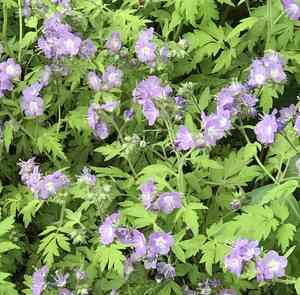
Fernleaf phacelia (Phacelia bipinnatifida)
Also known as: Loose-Flowered Phacelia, Spotted phacelia
Fernleaf phacelia is a biennial plant that typically thrives in rocky woodlands across the United States. It features clusters of purple flowers above fern-like leaves, which stay green throughout the winter. In its second year, the plant blooms, sets seeds, and then dies, but it readily reseeds itself.
In This Article
Attributes of Fernleaf phacelia
Lifespan
Biennial, Annual
Plant Type
Herb
Plant Height
30 cm to 91 cm
Spread
90 cm to 1.2 m
Leaf Color
Green
Flower Size
2.5 cm
Flower Color
Purple Blue Lavender White Pink
Images of Fernleaf phacelia
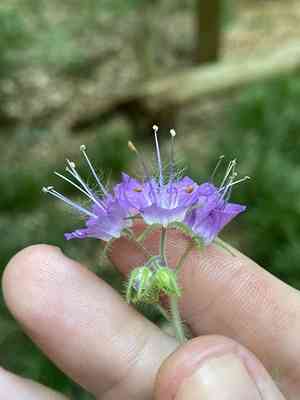
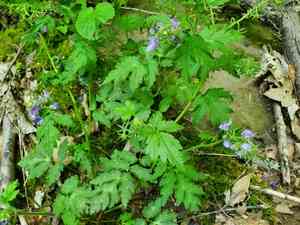
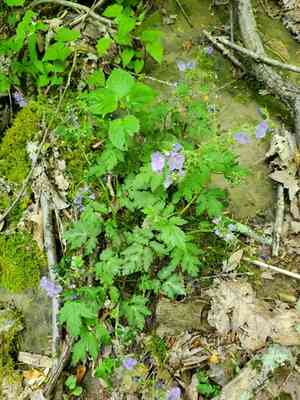
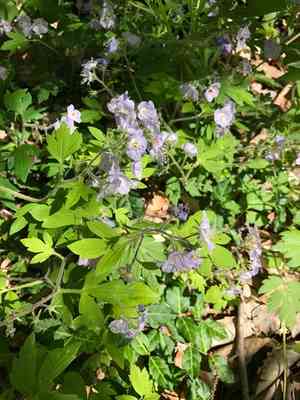
Quickly Identify Fernleaf phacelia
1
Feathery, dissected leaves impart delicate texture.
2
Purplish-blue bell-shaped flowers in coiled cymes.
3
Compound leaves with ovate to oblong leaflets.
4
Round stems with glandular hairs for bristly texture.
5
Small, ovoid fruit capsules with multiple black seeds.
Scientific Classification of Fernleaf phacelia
Phylum
Vascular plants
Class
Dicotyledons
Order
Boraginales
Family
Waterleaf
Genus
Heliotrope
Species
Fernleaf phacelia
Planting and Growing of Fernleaf phacelia
Care Difficulty
Easy
Watering Schedule
Every 3 days
Sunlight Requirements
Partial sun
Sunshine Duration
4-6 hours
Ideal Temperature
60-75℉
Soil Type
Potting Mix, Peat Mix
Soil pH
6.5-7.5
Fertilizer Type
Balanced
Pruning Season
Spring, Summer
Pruning Area
Branches, Leaves
Pruning Frequency
2 times a year
Repotting Season
Spring
Pot Type
Plastic, Ceramic
 How to Water Fernleaf phacelia?
Phacelia bipinnatifida requires about 250 milliliters of water per session. The goal is to keep the soil consistently moist but not waterlogged. Ensure water penetrates to at least 6 inches of soil depth, allowing the roots to absorb enough moisture without causing root rot.
What are the symptoms of an underwatered Fernleaf phacelia?
›
What should I do if my Fernleaf phacelia is not getting enough water?
›
What are the symptoms of an overwatered Fernleaf phacelia?
›
How to save an overwatered Fernleaf phacelia?
›
 What Are the Sunlight Requirements for Fernleaf phacelia?
Partial sun or full shade provides just the right balance for Phacelia bipinnatifida, helping it maintain optimum foliage health and growth while avoiding stress caused by direct exposure.
More About Sunlight Requirements Techniques→
What is the ideal lighting condition for Phacelia bipinnatifida?
›
How can you achieve this ideal lighting condition?
›
What benefits does the ideal lighting condition bring to this plant?
›
 What Is the Ideal Temperature Range for Fernleaf phacelia?
When growing Phacelia bipinnatifida, a temperature range of 60°F to 75°F is ideal. This range ensures optimal growth and development, facilitating proper physiological processes such as photosynthesis and respiration. Consistent temperatures within this range can lead to better yields and enhanced plant vigor.
 What Soil is Best for Fernleaf phacelia?
Phacelia bipinnatifida thrives in soil that retains some moisture but does not remain waterlogged. Good moisture retention helps support its lush growth and prolongs blooming, making sure the plant is healthy and vibrant. Favoring nutrient-rich soil ensures Phacelia bipinnatifida receives ample sustenance for its growth phases. Organic matter like compost enhances nutrient content, supporting its rapid development and flowering. While moisture is critical, the soil must also drain well to prevent root rot. Proper drainage avoids water sitting at the roots, aiding in maintaining a healthy plant structure.
 How to Fertilize Fernleaf phacelia?
For Phacelia bipinnatifida, a balanced liquid fertilizer should be applied at the rate of 1/4 strength. Over-fertilizing can harm the plant, so it's crucial to adhere to this diluted concentration.
 How to Prune Fernleaf phacelia?
Begin by identifying old, dead, or diseased stems. These should be the first to go as they can harbor pests and spread disease. Cut these stems back to the base or to a healthy side shoot. After the flowering period, trim back spent flower heads to encourage more blooms. This process is known as deadheading and helps redirect the plant’s energy towards developing new growth rather than seed production. Trim the outer foliage to shape the plant as desired. This helps in maintaining a neat and compact appearance. Be systematic, and work with the natural form of the plant to enhance its aesthetic appeal. Remove any crowded or cross-growing stems inside the plant to improve airflow. This helps in reducing humidity and preventing fungal diseases. Make the cuts above a leaf bud to promote healthy regrowth.
More About Pruning Techniques→
 How to Propagate Fernleaf phacelia plant?
1
Fill the seed tray with a well-draining soil mix. Make sure the mix is moist but not too wet, as excess water can rot the seeds.
2
Scatter the Phacelia bipinnatifida seeds evenly over the surface of the soil mix. Lightly press them into the soil but do not cover them, as they need light to germinate.
3
Gently water the seeds using a spray bottle to avoid displacing them. Place the tray in a location with indirect sunlight and maintain consistent moisture until the seeds germinate.
 How to Repot Fernleaf phacelia plant?
1
To know when to repot Phacelia bipinnatifida, observe the roots through the drainage holes. If they are protruding, it's time. Additionally, if the growth appears stunted, it may indicate the need to refresh the soil and space.
2
Select a pot slightly larger than the current one with ample drainage holes. This ensures healthy root expansion and prevents waterlogging, critical for maintaining plant health and promoting vigorous growth.
3
Use a well-draining, slightly acidic loamy mix enriched with organic matter. This mixture keeps roots well aerated and retains necessary moisture, fostering an environment for thriving plant growth.
Learn More About Fernleaf phacelia Diseases
Anthracnose
Bacterial Leaf Spot
Bacterial Wilt
Chemical Injury
Damping-off
Downy Mildew
Drought Stress
Fusarium Wilt
Gray Mold
Leaf Curl
Leaf Spot
Mosaic
Nutrient Deficiency
Nutrient Toxicity
Powdery Mildew
Root Rot
Root-knot Nematode
Rusts
Sooty Mold
Spider Mites
Temperature Stress
Thrips Damage
White Mold



