How to Prune Shiny sandpaper plant?
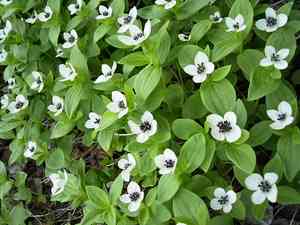
Distinguished by its glossy, tough foliage, shiny sandpaper plant flourishes with judicious trimming. Ideally performed in late winter or early spring, this practice stimulates robust development and refines its form. Concentrate on excising deceased or compromised stems, making cuts directly above a leaf joint. Consistent snipping aids in preserving vitality and encourages blooming. Verify that implements are disinfected to avert illness. Trimming shiny sandpaper plant not only sustains its visual appeal but also boosts air movement and light exposure.
What Are the Benefits of Pruning Shiny Sandpaper Plant?
What Are the Benefits of Pruning Shiny Sandpaper Plant?
Shiny sandpaper plant thrives with pruning, promoting robust growth and maintaining its form. Regular trimming manages its size, eliminates dead or damaged parts, boosts flowering, and lessens pest and disease threats, ensuring a strong, visually appealing plant.
What Is the Best Time for Pruning Shiny Sandpaper Plant?
What Is the Best Time for Pruning Shiny Sandpaper Plant?
Pruning shiny sandpaper plant in late winter and early spring aligns with its dormant period, minimizing stress and encouraging strong regrowth. This timing allows the plant to recover from cuts before the active growth season, lowering disease and pest risks. Furthermore, pruning prior to new growth ensures shiny sandpaper plant can support an optimal bloom cycle, enhancing its health and aesthetic value.
What Tools Do I Need to Prune Shiny Sandpaper Plant?
Bypass Pruners
Bypass pruners are perfect for making clean cuts on shiny sandpaper plant without crushing stems. They are suitable for trimming smaller branches and stems to maintain the plant's shape.
Pruning Shears
Pruning shears are versatile and effective for detailed work, making them ideal for shiny sandpaper plant, which may have delicate stems requiring careful trimming.
Loppers
Loppers offer increased leverage for cutting through thicker branches. This tool is essential for shiny sandpaper plant when dealing with mature or larger stems.
Pruning Saw
A pruning saw is useful for removing larger branches that bypass pruners or loppers cannot handle, ensuring clean cuts on shiny sandpaper plant.
Handheld Trimmer
Handheld trimmers are excellent for shaping and manicuring shiny sandpaper plant to maintain a neat appearance, allowing for precise and controlled cutting.
How to Prune Shiny Sandpaper Plant
Inspection
Thoroughly examine shiny sandpaper plant to identify diseased leaves, withered leaves, dead branches, and diseased branches. Use clean, sharp pruning tools for precise cuts.
Remove Diseased Leaves
Carefully cut away any diseased leaves from shiny sandpaper plant, making sure to cut at the base of the leaf stem to prevent the disease from spreading.
Remove Withered Leaves
Trim any withered leaves at their base. This helps maintain the plant's overall health and encourages better airflow.
Remove Dead Branches
Clip off dead branches by making clean cuts at their point of origin or back to a healthy branch or bud. This will help the plant conserve energy.
Remove Diseased Branches
Prune any diseased branches. Cut several inches below the diseased area into healthy tissue. Disinfect pruning tools between cuts to prevent disease spread.
Common Pruning Mistakes with Shiny Sandpaper Plant
Improper technique
Using dull or unclean tools can cause ragged cuts and increase the risk of infection. Ensure your pruning tools are sharp and sterilized.
Excessive pruning
Removing too much foliage can stress the plant and reduce its vigor. Over-pruning can also lead to fewer blooms and a less attractive plant structure.
Incorrect timing
Pruning at the wrong time can hinder growth and flowering. For shiny sandpaper plant, timing is crucial, as incorrect timing may disrupt the plant's natural growth cycle.
Poor pruning cuts
Making cuts too close to a node or leaving too much of a stub can damage the plant. Properly locate where to cut to ensure the plant heals well and continues to grow healthily.
Common Pruning Tips for Shiny Sandpaper Plant
Use sharp tools
Always use sharp and sterilized pruning tools to make clean cuts that heal quickly. This reduces the risk of disease and encourages healthy regrowth.
Target dead or damaged wood
First focus on removing any dead, damaged, or diseased branches. This helps the plant direct its energy towards healthy growth and improves overall vitality.
Promote air circulation
Prune to enhance air circulation within the plant's canopy. This helps prevent fungal infections and promotes a healthier plant environment.
Regulate shape and size
Trim to maintain the desired shape and size of shiny sandpaper plant, ensuring it remains attractive and manageable. Avoid heavy pruning all at once; instead, make gradual adjustments.



