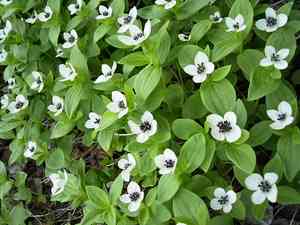
Shiny sandpaper plant (Petalonyx nitidus)
Also known as: Shiny Sandpaper Plant
The leaves are oval-shaped, taper to a point, often have toothed or serrated edges, and can reach a length of up to 4 centimeters. The cluster of flowers at the stem's end forms a dense raceme. The flowers themselves have a tubular appearance, with white petals that are fused near the tips but open further down. The long stamens protrude significantly beyond the corolla and unusually emerge from outside the corolla.
In This Article
Attributes of Shiny sandpaper plant
Lifespan
Perennial
Plant Type
Shrub
Plant Height
0.3 to 0.6 meters
Spread
Not specifically measured as it\'s primarily a low-growing plant
Leaf Color
Green
Flower Size
Approximately 0.5 to 1 centimeter
Flower Color
White to yellowish
Images of Shiny sandpaper plant
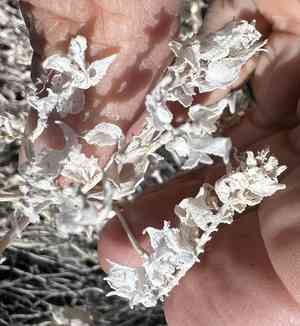
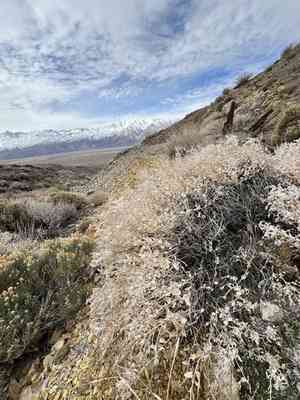
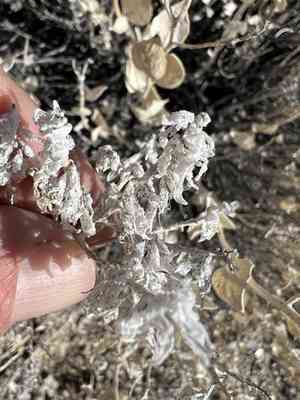
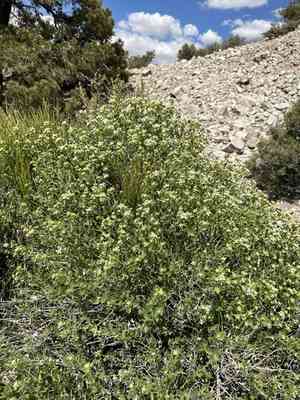
Quickly Identify Shiny sandpaper plant
1
It can be identified by its shiny, sandpaper-like leaves and small white to yellowish flowers that grow in dense clusters. The plant has a bushy habit and typically grows in arid environments.
Scientific Classification of Shiny sandpaper plant
Phylum
Vascular plants
Class
Dicotyledons
Order
Cornales
Family
Loasa
Genus
Sandpaper plant
Species
Shiny sandpaper plant
Planting and Growing of Shiny sandpaper plant
Care Difficulty
Hard
Watering Schedule
Every 2 days
Sunlight Requirements
Full sun
Sunshine Duration
6-10 hours
Ideal Temperature
68-77℉
Soil Type
Potting Mix, Peat Mix
Soil pH
6.5-7.5
Fertilizer Type
Balanced
Pruning Season
Spring, Summer
Pruning Area
Branches, Leaves
Pruning Frequency
2 times a year
Repotting Season
Spring
Pot Type
Plastic, Ceramic
 How to Water Shiny sandpaper plant?
Petalonyx nitidus, commonly known as the shining sandpaper plant, requires a moderate amount of water. It's essential to maintain soil that is consistently moist but not waterlogged. Ensure that water penetrates deep enough to reach the roots, but avoid standing water to prevent root rot.
What are the symptoms of an underwatered Shiny sandpaper plant?
›
What should I do if my Shiny sandpaper plant is not getting enough water?
›
What are the symptoms of an overwatered Shiny sandpaper plant?
›
How to save an overwatered Shiny sandpaper plant?
›
 What Are the Sunlight Requirements for Shiny sandpaper plant?
Petalonyx nitidus enjoys full sun with 6 to 8 hours of sunlight daily. This promotes its natural growth cycle, aiding in robust foliage and attractive flowering.
What is the preferred lighting condition for Petalonyx nitidus?
›
How can you achieve the ideal lighting conditions for Petalonyx nitidus?
›
What are the benefits of providing ideal lighting conditions for Petalonyx nitidus?
›
 What Is the Ideal Temperature Range for Shiny sandpaper plant?
The ideal temperature range for cultivating Petalonyx nitidus lies between 68°F and 77°F. This range facilitates optimal metabolic processes and photosynthesis rates, ensuring robust growth and healthy development. Maintaining these conditions promotes resilience against pests and diseases that can occur due to temperature stress.
 What Soil is Best for Shiny sandpaper plant?
Petalonyx nitidus thrives in well-drained soil that prevents waterlogging. This type of soil allows the roots to access necessary nutrients and oxygen, reducing the risk of root rot. This plant is adapted to sandy, low-nutrient soils typical of its native habitat. It effectively utilizes what little nutrients are available, reducing the need for frequent fertilization. The soil should be positioned in an area with full sun exposure, maximizing energy intake for optimal growth. This mimics its natural desert environment, where it has evolved to capture maximum sunlight.
 How to Fertilize Shiny sandpaper plant?
Petalonyx nitidus requires a balanced nutrient supply to enhance its growth. Use a liquid fertilizer diluted to half the recommended strength, applying around 200ml per application. For slow-release fertilizers, opt for 20 grams per plant, ensuring nutrients sustain over time without overwhelming the root system.
 How to Prune Shiny sandpaper plant?
Begin by identifying and removing any dead or damaged branches. These parts can drain resources from the healthier sections of the plant and increase vulnerability to pests or diseases. After removing the unhealthy parts, focus on shaping the plant. Trim back excessive growth to encourage a more desirable form. This can enhance the plant's natural beauty and encourage more flowers. To encourage bushier growth, prune back the tips of the plant. This technique stimulates the plant to produce more lateral branches, leading to a denser appearance.
More About Pruning Techniques→
 How to Propagate Shiny sandpaper plant plant?
1
Gather seeds from a mature Petalonyx nitidus plant. Soak the seeds in warm water for 24 hours to improve germination rates. This simulates natural conditions and encourages better sprouting.
2
Use pruning shears to cut a healthy, non-flowering stem about 4-6 inches long. Remove the leaves from the bottom half of the stem to reduce moisture loss.
3
Dip the cut end of the cutting into rooting hormone to stimulate root development. Plant the cutting in a pot with moist, well-draining soil and cover with plastic to maintain humidity.
 How to Repot Shiny sandpaper plant plant?
1
Petalonyx nitidus signals its need for repotting through slow growth and visible root crowding at the base of the pot. Spring or autumn are ideal as these seasons offer moderate conditions, ensuring the plant is not under the stress of extreme temperatures.
2
Select a pot that is 1-2 inches larger in diameter than the current one. A pot just slightly bigger ensures that the plant does not sit in water, while providing ample soil for root growth, offering better stability and reducing the risk of root rot.
3
Opt for a well-draining cactus mix which provides the airy structure necessary for the roots of Petalonyx nitidus. This type of soil facilitates proper drainage, crucial to preventing waterlogging and associated root issues.
Learn More About Shiny sandpaper plant Diseases
Anthracnose
Bacterial Leaf Spot
Bacterial Soft Rot
Bacterial Wilt
Black Spot
Chemical Injury
Crown Gall
Cyst Nematode
Damping-off
Downy Mildew
Drought Stress
Fusarium Wilt
Gray Mold
Leaf Curl
Leaf Spot
Mosaic
Nutrient Deficiency
Nutrient Toxicity
Powdery Mildew
Root Rot
Root-knot Nematode
Rusts
Sooty Mold
Spider Mites
Temperature Stress
Thrips Damage
White Mold



