How to Prune Cypress Peperomia?
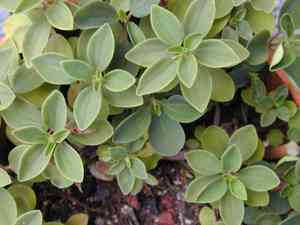
Cypress Peperomia, a tropical perennial recognized for its lustrous, egg-shaped leaves, flourishes with consistent trimming to preserve its form and foster thick foliage. The most effective times for pruning extend from spring to autumn, coinciding with its periods of vigorous development. Pinch off the ends to stimulate a fuller appearance, eliminating any elongated stems or discolored leaves to boost the plant's vitality and aesthetic. This targeted trimming not only ensures cypress Peperomia remains attractive but also facilitates sound, sturdy growth by enabling light and air to circulate throughout the specimen.
What Are the Benefits of Pruning Cypress Peperomia?
What Are the Benefits of Pruning Cypress Peperomia?
Trimming cypress Peperomia encourages robust development and helps maintain its dense, rounded form. Regular cutting promotes thicker foliage, enhancing the plant's visual appeal and keeping it manageable in confined areas.
What Is the Best Time for Pruning Cypress Peperomia?
What Is the Best Time for Pruning Cypress Peperomia?
Pruning cypress Peperomia during Spring, Summer, and Fall aligns with its active growth phases, allowing the plant to rapidly heal and regenerate after pruning. Spring is ideal as it prepares cypress Peperomia for vigorous growth by removing any old or dead foliage from the winter, enhancing light penetration and air circulation. During Summer, trimming helps maintain shape and manage any unruly or leggy growth. In Fall, light pruning is beneficial to remove any spent leaves or stems before the plant enters a slower growth period in winter, reducing the likelihood of disease and ensuring a healthy, compact growth in the following season.
What Tools Do I Need to Prune Cypress Peperomia?
Precision Pruners or Micro-Tip Scissors
Due to the delicate structure and small size of cypress Peperomia's leaves and stems, precision pruners or micro-tip scissors are perfect for making accurate cuts without harming the plant. These tools enable targeted trimming of dead or overgrown foliage, fostering healthier growth and preserving the desired shape of cypress Peperomia.
Leaf Trimmers
Leaf trimmers are suitable for tidying up smaller or hard-to-reach areas of cypress Peperomia. They ensure minimal damage to the plant's tiny leaves during routine maintenance, such as removing yellow or dead leaves.
Soft-Grip Shears
Soft-grip shears are beneficial for shaping and controlling the growth of cypress Peperomia while providing comfort and reducing hand fatigue during extended pruning sessions. These shears offer a balance between precision and ease of handling, suitable for maintaining the overall aesthetic and health of the plant.
How to Prune Cypress Peperomia
Identify
Carefully inspect cypress Peperomia to identify diseased leaves, withered leaves, dead branches, and diseased branches. These are the parts that will require pruning.
Disinfect
Before cutting, ensure your pruning tools are disinfected to prevent the spread of pathogens. Use a solution of one part bleach to nine parts water or rubbing alcohol to clean the shears.
Cut leaves
Using your disinfected pruning shears, remove diseased and withered leaves by cutting them at the base where they meet the stem. Be cautious not to harm the healthy parts of cypress Peperomia.
Cut branches
Prune dead and diseased branches by making a clean cut at the point where the branch emerges from a healthy part. Cut at a 45-degree angle to facilitate water run-off and prevent disease.
Cleanup
Collect all removed parts of cypress Peperomia and dispose of them properly to avoid contamination. Do not compost diseased material as it might spread contaminants.
Common Pruning Mistakes with Cypress Peperomia
Overpruning
Removing too much foliage from cypress Peperomia can severely impact its growth. Cypress Peperomia has a modest growth rate and excessive removal of leaves and stems can stunt its development.
Improper tools
Using dull or unsanitized pruning tools can harm cypress Peperomia, leading to jagged cuts that poorly heal. This increases the risk of disease and pest infestation.
Pruning healthy growth
It's a mistake to indiscriminately remove healthy stems, as this reduces the plant's vitality. For cypress Peperomia, focus should be on removing only the parts that are dead, damaged, or diseased.
Common Pruning Tips for Cypress Peperomia
Selective pruning
For the health and aesthetics of cypress Peperomia, selectively prune by removing older leaves at the base and any stems that are overly elongated to maintain a compact, bushy appearance. This encourages new growth.
Clean cuts
Make clean cuts close to the main stem or a leaf node to promote faster healing and reduce the chance of disease. Ensure the use of sharp and clean scissors or secateurs.
Moderate pruning
A light to moderate pruning approach is best. Lightly trim the tips of the stems to encourage bushier growth. This approach is especially effective after the growing season to rejuvenate cypress Peperomia.



