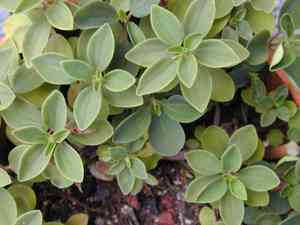
Cypress Peperomia (Peperomia glabella)
Also known as: Radiator Plant, Green Ripple
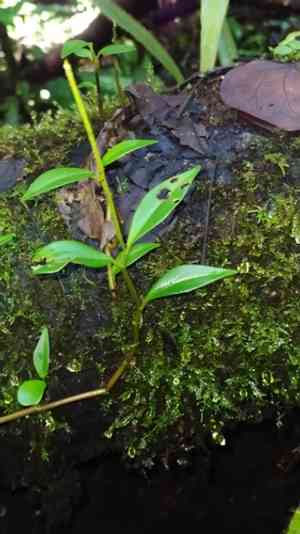
The Cypress Peperomia, often seen climbing trees or spreading across the ground in its natural habitat, is also a favored houseplant. Its compact size and glossy, dark green leaves, which lack the variegation of some other species, make it appealing. It’s easy to care for, needing only bright, indirect light and minimal watering, and is non-toxic to pets, making it a safe addition to any home.
In This Article
Attributes of Cypress Peperomia
Lifespan
Perennial
Plant Type
Herb
Plant Height
20 cm
Spread
30 cm
Leaf Color
Green
Flower Size
0.1-0.3 cm
Flower Color
Green
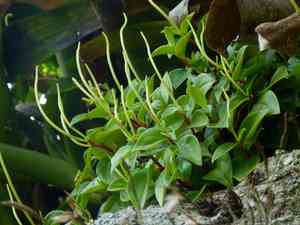
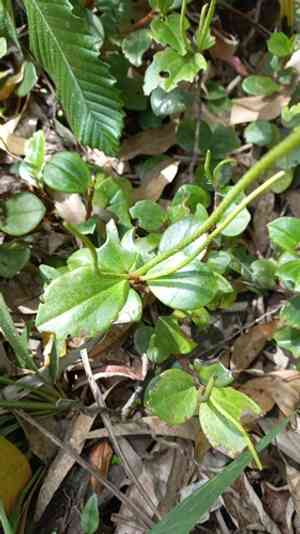
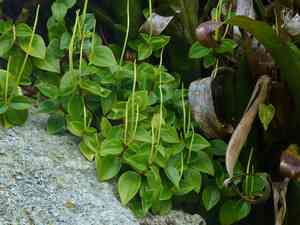
Images of Cypress Peperomia
Quickly Identify Cypress Peperomia
1
Look for small, smooth, and glossy green leaves arranged alternately along the stem. Leaves are typically oval-shaped with a slight shine. Flowers are small and often not showy, appearing as spikes.
Scientific Classification of Cypress Peperomia
Phylum
Vascular plants
Class
Dicotyledons
Order
Piperales
Family
Pepper
Genus
Radiator plants
Species
Cypress Peperomia
Planting and Growing of Cypress Peperomia
Care Difficulty
Easy
Watering Schedule
Every 2 days
Sunlight Requirements
Partial sun
Sunshine Duration
6-10 hours
Ideal Temperature
65-75℉
Soil Type
Potting Mix, Peat Mix
Soil pH
6.5-7.5
Fertilizer Type
Balanced
Pruning Season
Spring, Summer
Pruning Area
Branches, Leaves
Pruning Frequency
2 times a year
Repotting Season
Spring
Pot Type
Plastic, Ceramic
 How to Water Cypress Peperomia?
When watering Peperomia glabella, aim for approximately 150ml once every two weeks. Ensure the soil is moist but not soggy. Water until it starts to drain from the bottom, then stop, allowing excess water to escape to prevent root rot.
What are the symptoms of an underwatered Cypress Peperomia?
›
What should I do if my Cypress Peperomia is not getting enough water?
›
What are the symptoms of an overwatered Cypress Peperomia?
›
How to save an overwatered Cypress Peperomia?
›
 What Are the Sunlight Requirements for Cypress Peperomia?
Peperomia glabella ideally requires bright, indirect light or partial shade. Ideal lighting fosters healthy foliage, prevents legginess, and enhances natural leaf patterns for overall vigor.
How much light does Peperomia glabella need?
›
What are some solutions to achieve ideal lighting?
›
What are the benefits of providing the ideal light?
›
 What Is the Ideal Temperature Range for Cypress Peperomia?
The ideal temperature range for Peperomia glabella to thrive is between 65°F and 75°F. This range ensures that the plant's metabolic processes occur efficiently and it can maintain optimal growth rates. Outside this range, the plant may develop stress symptoms over time.
 What Soil is Best for Cypress Peperomia?
Peperomia glabella thrives in well-draining soil, which prevents water from sitting at the roots. This prevents root rot and ensures the plant can draw up the moisture it needs efficiently. Although Peperomia glabella doesn't require nutrient-rich soil, moderately fertile substrate promotes healthy growth and vibrant foliage. Balanced nutrients simplify maintenance and promote vitality. An aerated soil structure ensures that roots receive ample oxygen. This aids root development and overall plant health, cushioning Peperomia glabella against common stressors.
 How to Fertilize Cypress Peperomia?
For Peperomia glabella, a moderate amount of fertilizer is needed. Use a quarter to half the recommended dose on the package to avoid overfeeding. The plant prefers a balanced fertilizer that promotes healthy leaves without the risk of root burn.
 How to Prune Cypress Peperomia?
After pruning, avoid placing the plant in direct sunlight immediately. The freshly cut areas are susceptible to damage from harsh sunlight, so give the plant time to recover in a well-lit, indirect light spot. Peperomia glabella needs less water post-pruning. Over-watering can lead to root rot, especially since the plant will need time to recover. Wait until the top inch of soil dries out before watering.
More About Pruning Techniques→
 How to Propagate Cypress Peperomia plant?
1
Choose a healthy stem with at least a few leaves. Make a clean cut just below a node. Ensure the cutting is 3-5 inches long and free from disease or damage.
2
Remove the lower leaves to expose the nodes. This encourages new root growth from these nodes when placed in soil or water.
3
Insert the prepared cutting into a moist potting mix or water. Ensure the nodes are covered to promote root development. Place in indirect sunlight.
 How to Repot Cypress Peperomia plant?
1
You should consider repotting Peperomia glabella when you notice roots growing out of the drainage holes, or if the plant appears top-heavy and unstable. These are signs that your plant has outgrown its current pot and needs more space to thrive. Also, if the soil is compacted or if the plant's growth has slowed despite regular care, it's time to consider a repot.
2
Select a pot that is just one size larger than the current one. The pot should have ample drainage holes to prevent waterlogging, which can lead to root rot. The right pot size ensures the plant has enough space for roots to expand and promotes healthy growth, while the drainage helps maintain the ideal moisture level for the plant's roots.
3
Opt for a soil mix that is well-draining yet retains enough moisture to keep the roots hydrated. A mix with peat and perlite or orchid bark is ideal because it mimics the plant's natural epiphytic habitat. This type of soil mix ensures that the roots receive oxygen and prevents water from stagnating, thereby reducing the risk of root rot.



