How to Prune Riggin's penstemon?
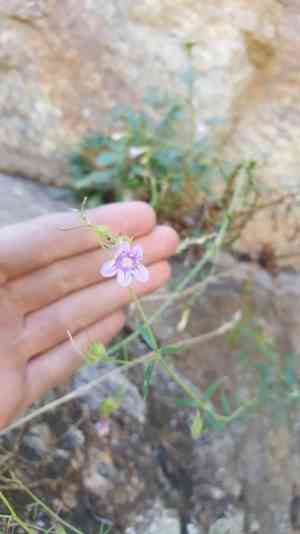
Riggin's penstemon is a robust perennial featuring vivid, tube-shaped blossoms. To achieve peak development, trim the plant in early spring or late winter. Eliminate any deceased or compromised stems, and snip off faded flower stalks to stimulate denser foliage and a greater abundance of flowers. Furthermore, reducing density in congested sections enhances air movement. Precise trimming during these periods, synchronized with its developmental phase, fosters robust regrowth and amplifies its floral presentation. Consistent trimming also aids in averting ailments and preserving the plant's general vigor.
Advantages of Trimming Riggin's Penstemon
Advantages of Trimming Riggin's Penstemon
Riggin's penstemon benefits from trimming by growing more robustly and maintaining a desired form. Pruning promotes healthy development, enhances blooming, and prevents illnesses, ensuring strong and visually appealing growth. Regularly trimmed riggin's penstemon thrive in garden environments, exhibiting improved vitality and resilience.
Optimal Time for Pruning Riggin's Penstemon
Optimal Time for Pruning Riggin's Penstemon
Pruning in early spring or late winter is ideal for riggin's penstemon as it encourages vigorous growth and maximizes the plant's strength. This timing allows gardeners to remove any dead or damaged branches before the new growth cycle begins, thereby reducing disease risk. Additionally, pruning during these seasons helps shape the plant before its active growth and flowering phase, ensuring robust development and abundant blooms in the subsequent growth period.
Tools Required for Pruning Riggin's Penstemon
Hand Pruners (Bypass Pruners)
Perfect for precise cuts on branches and stems up to 1/2 inch in diameter. Bypass pruners create clean cuts, which are crucial for the health of riggin's penstemon.
Pruning Shears
Useful for trimming soft, green growth. They can handle slightly larger stems and are good for shaping and general maintenance.
Pruning Saw
For thicker branches that are too large for hand pruners, ensuring smooth cuts without harming the plant.
Loppers
Suitable for cutting slightly thicker stems and branches (up to 1-1.5 inches in diameter). They provide greater leverage and can help maintain the structure of riggin's penstemon.
How to Prune Riggin's Penstemon
Inspect
Carefully examine riggin's penstemon to identify diseased and withered leaves. Look for discoloration, spots, or signs of decay.
Sanitize Tools
Ensure all pruning tools are disinfected to prevent disease spread. Use a solution of one part bleach to nine parts water or isopropyl alcohol.
Remove Diseased Leaves
Use clean, sharp pruning shears to cut away any diseased leaves. Make cuts at the base of the leaf stem for complete removal.
Remove Withered Leaves
Clip away withered leaves by cutting close to the main stem or branch they are attached to. Ensure all dead material is discarded to prevent potential pest issues.
Dispose Properly
Dispose of all removed leaves in a sealed bag and place in the trash or a designated yard waste bin to avoid spreading pathogens to other plants.
Common Pruning Errors with Riggin's Penstemon
Incorrect cutting technique
Using dull or unclean tools can tear or crush stems, leading to disease and poor regrowth. Always ensure tools are sharp and clean.
Excessive pruning
Removing too much of the plant can stress it and reduce vigor. It's important to avoid removing more than one-third of the plant at any time.
Uneven cutting
Making uneven or ragged cuts can result in an unattractive appearance and can also increase vulnerability to disease. Aim for clean, precise cuts.
Ignoring damaged or diseased parts
Failing to remove dead, damaged, or diseased parts can inhibit plant health and growth. Always start by cutting back these areas.
General Pruning Advice for Riggin's Penstemon
Use sharp tools
To make clean cuts, use sharp, sterilized pruning shears. This helps to minimize damage to the plant and reduces the risk of infection.
Make angled cuts
Always prune branches at an angle to prevent water from settling on the cut surface, which can lead to rot and disease.
Prune for air circulation
Trim interior branches to promote better air circulation and reduce the risk of fungal diseases. This will also allow more light to penetrate the foliage.
Focus on shaping
Prune the plant to maintain its natural shape. Start by removing the oldest and woodiest stems to encourage new growth and better flowering.
Clean up debris
After pruning, promptly remove all cuttings and debris from the area to prevent the spread of pests and diseases.



