How to Prune Lilac penstemon?
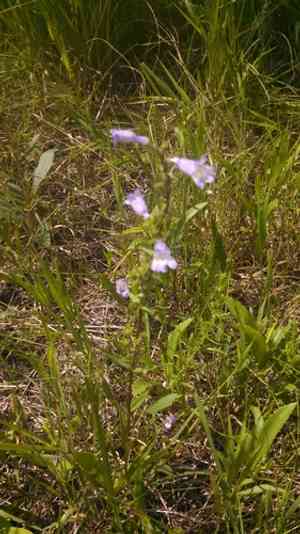
Penstemon lilac, recognized for its elegant purple blossoms, flourishes when subjected to particular trimming methods. A gentle trim following the blooming period stimulates fresh development, whereas a more significant cut in late winter or early spring assists in preserving the plant's form and vitality. Eliminate any deceased or compromised stalks during its inactive phase to foster robust growth. Executing pruning during these ideal intervals, in harmony with penstemon lilac's developmental rhythm, boosts its flowering and general aesthetic, guaranteeing a lively garden display.
Advantages of Trimming Lilac Penstemon
Advantages of Trimming Lilac Penstemon
Lilac penstemon grows robustly and maintains an appealing form with consistent trimming. Eliminating dead or diseased stems boosts overall health, promotes abundant blooms, manages plant size, and deters pests and illnesses, ensuring vigorous development and striking visual appeal.
Optimal Period for Pruning Lilac Penstemon
Optimal Period for Pruning Lilac Penstemon
Trimming or cutting back lilac penstemon in late winter to early spring is ideal as it aligns with the plant's growth cycle. This timing ensures pruning occurs before new growth starts, reducing plant stress and encouraging healthy new development. Additionally, pruning before the late spring flowering period allows for improved air circulation and light penetration, enhancing the plant's overall health and blooming potential. This timeframe also enables the plant to heal from cuts more effectively, minimizing disease risk.
Necessary Tools for Pruning Lilac Penstemon
Hand Pruners
Perfect for cutting back stems and removing spent flowers. They allow for precise cuts near the plant's base, crucial for maintaining its shape and fostering healthy growth.
Pruning Shears
Useful for shaping the plant and removing thicker stems that hand pruners might struggle with. These shears can handle more substantial growth while providing clean cuts.
Bypass Pruners
Preferred for making clean cuts without crushing stems, which is vital for the plant's well-being. These are effective for pruning during the active growth season.
Disinfectant Wipes or Pruning Sealant
Essential for cleaning tools after each cut to prevent disease transmission. This ensures the plant remains healthy and free from infections.
How to Prune Lilac Penstemon
Inspection
Thoroughly examine lilac penstemon for any diseased or withered foliage. Pay close attention to leaf discoloration, spots, and any signs of decay.
Sterilize Tools
Before beginning the pruning process, sterilize your pruning tools with a solution of one part bleach to nine parts water to prevent the spread of any disease.
Remove Diseased Leaves
Gently cut away any leaves showing signs of disease using sanitized sharp scissors or shears. Ensure you trim close to the base, just above the stem junction.
Remove Withered Leaves
Identify and trim any withered or dead leaves from lilac penstemon. Again, cut as close to the base as possible to encourage healthy new growth.
Dispose Properly
Collect all pruned diseased and withered leaves and dispose of them correctly. Avoid leaving them near lilac penstemon to prevent any potential disease recurrence.
Common Pruning Errors with Lilac Penstemon
Incorrect Timing
Pruning at the wrong time can impede lilac penstemon's growth and flowering. Avoid pruning during active growth or blooming periods.
Over-Pruning
Removing too much foliage at once can stress the plant and reduce its ability to photosynthesize, leading to poor health and flowering.
Improper Tools
Using dull or dirty tools can cause jagged cuts, leading to potential infection and disease. Always use sharp, sterilized tools.
Cutting Too Close to the Base
Pruning too close to the plant's base can damage emerging growth points and weaken lilac penstemon. Leave a small stem stub to encourage healthy regrowth.
Neglecting Deadheading
Failing to remove spent flowers can result in the plant expending energy on seed production rather than new growth and blossoms.
Helpful Pruning Advice for Lilac Penstemon
Selective Pruning
Focus on removing dead, diseased, or damaged stems first. This helps to maintain the plant's health and encourages robust new growth.
Deadheading
Regularly remove spent flowers to prevent seed formation and encourage continuous blooming. This helps lilac penstemon divert energy back into producing new flowers.
Proper Cut Technique
Make clean cuts at a 45-degree angle just above a leaf node or bud. This promotes healthy healing and directs new growth outward.
Moderate Pruning
Prune only about one-third of the plant at a time. This reduces stress and allows lilac penstemon to recover more effectively.
Sanitize Tools
Remember to sterilize pruning tools before and after use to prevent the spread of diseases. A solution of one part bleach to ten parts water works well.



