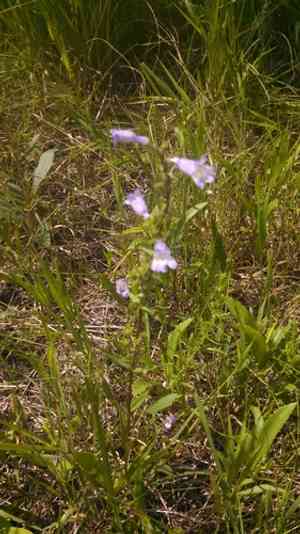
Lilac penstemon(Penstemon gracilis)

Lilac penstemon (Penstemon gracilis)

Also known as: Slender penstemon

Planting lilac penstemon in your garden can bring numerous benefits:

1. **Visual Appeal**: This perennial is known for its striking lilac-colored flowers, adding vibrant color and beauty to your garden.
2. **Wildlife Magnet**: The nectar-rich blooms attract beneficial pollinators like bees, butterflies, and hummingbirds, promoting a healthy ecosystem.
3. **Easy Care**: Lilac penstemon is low-maintenance, requiring minimal effort to grow and thrive.
4. **Drought and Salt Tolerance**: It is well-suited to dry and saline conditions, making it an excellent choice for water-wise gardens.
5. **Versatile Usage**: The long-lasting flowers are perfect for cutting and displaying indoors, adding a touch of nature to your home decor.

Overall, lilac penstemon is a hardy, eye-catching, and eco-friendly addition that enhances both the beauty and ecological value of your garden.

Attributes of Lilac penstemon

Lifespan
Perennial
Plant Type
Herb
Plant Height
30 cm to 46 cm
Spread
N/A
Leaf Color
Green
Flower Size
1-2 cm (0.4-0.8 inches)
Flower Color
Lavender, Pale purple

ForwardPlant - Identify plants with a snap

Identify and diagnose plants, get toxicity alerts, and explore safety guides for all types of fungi.

Try for Free

Images of Lilac penstemon

Lilac penstemon(Penstemon gracilis)

Quickly Identify Lilac penstemon

1
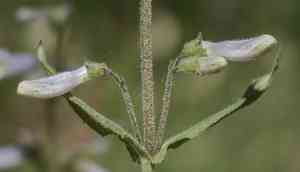
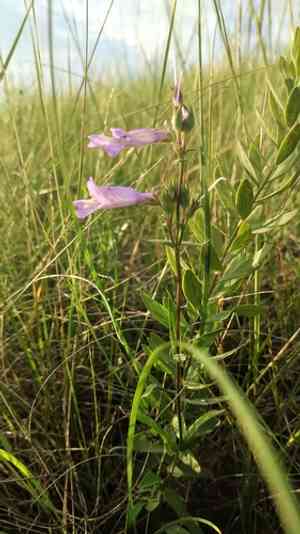
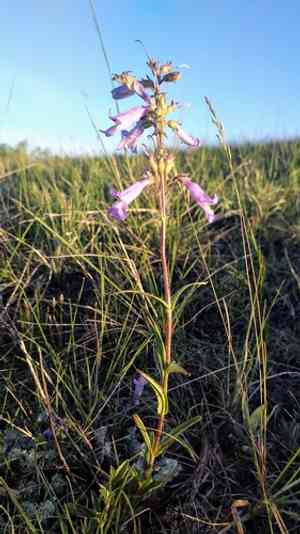
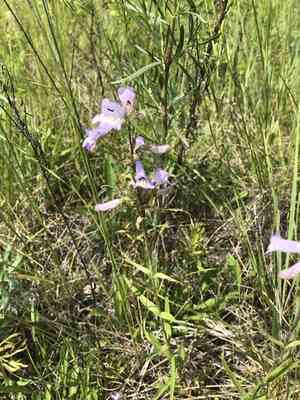
Penstemon gracilis can be identified by its slender, erect stems, lance-shaped leaves, and distinctive tubular flowers with a hairy staminode. The flowers are typically lavender or pale purple and bloom in clusters atop the stem.

Scientific Classification of Lilac penstemon

Phylum
Vascular plants
Class
Dicotyledons
Order
Lamiales
Family
Plantain
Genus
Penstemon
Species
Lilac penstemon

Planting and Growing of Lilac penstemon

Care Difficulty
Easy
Watering Schedule
Every 3 days
Sunlight Requirements
Full sun
Sunshine Duration
6-10 hours
Ideal Temperature
60-75℉
Soil Type
Potting Mix, Peat Mix
Soil pH
6.5-7.5
Fertilizer Type
Balanced
Pruning Season
Spring, Summer
Pruning Area
Branches, Leaves
Pruning Frequency
2 times a year
Repotting Season
Spring
Pot Type
Plastic, Ceramic

water icon How to Water Lilac penstemon?

Penstemon gracilis requires moderate watering. This means watering once every ten days with around 250 milliliters of water each time. The soil should be moist but not waterlogged, allowing the plant to thrive without letting the roots sit in excessive water.
What are the symptoms of an underwatered Lilac penstemon? ›
What should I do if my Lilac penstemon is not getting enough water? ›
What are the symptoms of an overwatered Lilac penstemon? ›
How to save an overwatered Lilac penstemon? ›

sunlight icon What Are the Sunlight Requirements for Lilac penstemon?

Sunlight Requirements: Full sun, Partial sun
Duration of light: 6-8 hours daily
Penstemon gracilis prefers 6-8 hours of full sun or partial sun. Adequate light enhances its blooming and health, making it a vibrant addition to any garden.
What are the ideal lighting conditions? ›
How to achieve ideal lighting for this plant? ›
What are the benefits of ideal lighting? ›

temperature icon What Is the Ideal Temperature Range for Lilac penstemon?

Ideal Temperature: 60 ~ 75℉
The ideal temperature range for Penstemon gracilis lies between 60°F and 75°F. This range ensures optimal growth by providing a conducive environment for photosynthesis and metabolic activities. Maintaining this temperature range helps ensure the plant thrives, producing healthy foliage and vibrant blooms. Excessive deviations from this range might result in stress or hindered growth.

soil icon What Soil is Best for Lilac penstemon?

Soil type: Sandy soil, Loam
Soil PH: 6.5 ~ 7.5
Penstemon gracilis thrives best in well-drained soil. This prevents water accumulation around its roots, reducing the risk of root rot and ensuring the plant remains healthy and vibrant. This plant requires moderate levels of nutrients in the soil. Too rich a soil can lead to excessive foliage at the expense of flowers. Balanced nutrition allows for healthy growth and a profusion of blooms. A sandy or loamy soil composition provides the ideal texture for Penstemon gracilis. It allows easy root penetration and growth, facilitating nutrient uptake and robust plant structure.

fertilize icon How to Fertilize Lilac penstemon?

Fertilizer type: Balanced
For Penstemon gracilis, use a balanced all-purpose fertilizer like 10-10-10. For liquid applications, dilute the fertilizer to half strength. This is because Penstemon gracilis prefers leaner soil conditions and excessive nutrients might lead to leggy growth.

prune icon How to Prune Lilac penstemon?

Pruning Time: Spring, Summer, Autumn
Start by identifying dead, diseased, or damaged stems. These should be removed first to allow the plant to direct its energy towards healthy growth. Cut these stems back to a healthy pair of leaves or to the base of the plant. After removing unhealthy stems, focus on shaping the plant. Trim back any overly long stems to maintain the desired size and shape. This also prevents the plant from becoming too leggy and encourages bushier growth, leading to a more aesthetically pleasing appearance. To encourage a fresh flush of blooms, prune back spent flower stems to the nearest set of healthy leaves. This will stimulate new growth and flowering, enhancing the plant's beauty and extending its blooming period. Regular deadheading throughout the season maintains its vibrant display. More About Pruning Techniques→

propagate icon How to Propagate Lilac penstemon plant?

Propagate Time: Spring, Early spring, Late spring
1
Collect seeds from mature plants in late summer. Dry the seeds before storing them in a cool, dry place. When ready to sow, soak the seeds overnight to enhance germination rates.
2
In early spring, select healthy, non-flowering stems to take cuttings. Cut approximately 4-6 inches of stem, ensuring each cutting has at least two nodes. Remove the lower leaves and dip the cut end in rooting hormone before planting.
3
Division is best done in early spring or autumn. Carefully dig up mature plants, separating clumps of roots with shoots. Ensure each division has sufficient roots before replanting at the same depth in prepared soil.
More About Propagating Techniques→

repot icon How to Repot Lilac penstemon plant?

Repotting frequency: Every 2-3 years
1
It's time to repot your Penstemon gracilis when you see roots protruding from the drainage holes or the plant looks overly dense in its pot. This usually indicates that the plant needs more space to grow and flourish.
2
Select a pot that's one size larger than the current one and ensure it has good drainage holes. This provides enough growing space and prevents root rot by allowing excess water to escape. The pot should also be made from breathable material to promote healthy root development.
3
Use a mixture of well-draining, sandy soil to allow for adequate air circulation and water flow. This type of soil prevents water stagnation and reduces the risk of root diseases, offering an ideal environment for Penstemon gracilis to thrive.

ForwardPlant - Identify plants with a snap

Find the best spots for them to optimize their health, simply using your phone.

Try for Free