How to Prune Zonal geranium?
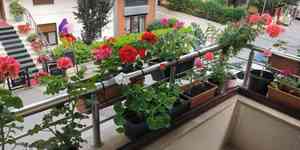
A popular decorative plant recognized for its vibrant blossoms and circular foliage, the zonal geranium flourishes with appropriate trimming. Consistently eliminate spent flowers and discolored leaves to stimulate fresh development. In spring, shorten elongated stems to preserve form and foster a denser appearance. To revitalize, reduce mature plants to a height of 4-6 inches prior to the active growth period. While pruning is possible throughout the year, spring offers the best timing for preparing for spectacular floral showcases. Trimming contributes to plant well-being by lowering the chance of illness and enhancing air movement.
What Are the Benefits of Pruning Zonal Geranium?
What Are the Benefits of Pruning Zonal Geranium?
Trimming zonal geranium promotes abundant blooming, stimulates robust development, and maintains a compact, pleasing form. Pruning helps zonal geranium direct energy towards new, healthy growth and vibrant flowers, preventing elongated stems and excessive size.
What Is the Best Time for Pruning Zonal Geranium?
What Is the Best Time for Pruning Zonal Geranium?
Pruning or trimming zonal geranium during spring and summer is advantageous as these periods coincide with its active growth phase. In spring, pruning encourages denser growth and prevents legginess as the plant emerges from its dormant winter state. Trimming in summer aids in continuous flowering by removing faded blooms and promotes repeated blooming cycles. It is crucial to avoid extensive pruning in fall and winter, as this can impede the plantâs preparation for dormancy and negatively impact the subsequent seasonâs growth.
What Tools Do I Need to Prune Zonal Geranium?
Bypass Hand Pruners
Perfect for making precise cuts on zonal geranium's stems, bypass pruners function like scissors and offer accuracy without harming the plant. Their sharp blades are ideal for snipping dead or overgrown branches, ensuring a healthy plant structure.
Gardening Shears
Designed for shaping zonal geranium, gardening shears offer a comfortable grip and long blades that facilitate trimming larger sections of the plant. They are especially useful for deadheading and maintaining the desired form of zonal geranium.
Clean Cloth
Used to wipe the blades of pruning tools before and after use. This ensures that diseases are not spread between plants and that the tools remain clean and sharp for effective pruning of zonal geranium.
Disinfectant
A solution such as alcohol or bleach diluted with water should be used to sanitize pruning tools before and after trimming zonal geranium. This practice prevents the transmission of diseases and keeps the plants healthy.
How to Prune Zonal Geranium
Step1: Damaged Part Removal
Examine zonal geranium for damaged sections including dead, dying, or diseased leaves and stems. Prioritize their removal to prevent disease spread and enhance plant health.
Step2: Pruning Tool Sterilization
Sanitize your pruning shears with rubbing alcohol or a household disinfectant to avoid transferring pathogens to the plant during the pruning process.
Step3: Deadheading Old Flowers
To remove old flowers (deadheading), cut the entire flower stalk back to the point where it meets the main stem or a set of healthy leaves. This encourages new growth and more blossoms.
Step4: Shape Enhancing Cuts
Identify thin stems that are not contributing to the overall form of zonal geranium. Make your cuts just above a leaf node or branching point to promote fuller growth.
Step5: Leggy Growth Trimming
Address leggy growth by cutting back to a third of the stem's length, aiming just above a leaf node or branching bud. This type of pruning helps maintain a compact, bushy shape and encourages new growth.
Step6: Clean Up Pruning Debris
After pruning, ensure to remove all clippings and debris from the area around zonal geranium to prevent potential re-infection or growth of pests.
Step7: Post-Pruning Watering
Water zonal geranium thoroughly after pruning to reduce stress on the plant and promote recovery. Ensure good drainage to prevent root rot.
Step8: Monitor for New Growth
Monitor zonal geranium for new growth, which should be evident within a few weeks. Support the new growth through appropriate watering, light, and feeding practices.
Post-Pruning Care for Zonal Geranium
Post-Pruning Care for Zonal Geranium
Immediately after pruning zonal geranium, ensure cleanliness to avoid infection. Adjust to moderate light, avoiding direct sun. Optimal recovery requires temperatures of 65-75°F and consistent moisture without waterlogging. Within a week, apply balanced liquid fertilizer to promote growth. Monitor for wilting or discolored leaves, signs of distress. If detected, reassess water, light, and nutrients. Regularly check for pests or disease, acting swiftly with appropriate treatments to prevent spread.
Common Pruning Mistakes with Zonal Geranium
Avoid excessive pruning in a single session
Pruning zonal geranium too heavily in one go can shock the plant and stunt its growth. It's essential to avoid removing more than one-third of the plant's growth during a single pruning session.
Sterilize tools to prevent disease spread
Neglecting to sterilize pruning tools before cutting zonal geranium can spread disease between plants. Always clean and disinfect tools before and after use.
Make clean cuts close to nodes, no stubs
Leaving stubs when cutting back stems is a common mistake which can lead to disease and pest infestation. Make sure cuts are clean and as close to the main stem or a leaf node as possible without damaging them.
Common Pruning Tips for Zonal Geranium
Remove dead or diseased foliage first
Identify and remove any dead, discolored, or diseased foliage first, as this promotes the health and aesthetics of zonal geranium.
Prune above leaf nodes for directed growth
When pruning zonal geranium for shape or to encourage bushier growth, make cuts just above a leaf node or branching point. This will stimulate new growth in the desired direction.
Deadhead spent blooms to boost flowering
After flowering, deadhead zonal geranium by snipping off the spent blooms. This encourages zonal geranium to produce more flowers and prevents the plant from using energy to produce seeds.



