How to Prune Whorled lousewort?
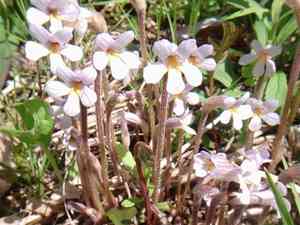
Known for its coiled floral arrangements, whorled lousewort flourishes with limited trimming to remove faded flowers and stimulate fresh development. The most effective time for trimming is in late spring or early summer, following the blooming period. Sanitize instruments to avert the transmission of illnesses, and restrict cuts to preserve the plant's structure. Trimming improves air movement and diminishes insect problems, contributing to whorled lousewort's vitality and blossom presentation.
What Are the Benefits of Pruning Whorled Lousewort?
What Are the Benefits of Pruning Whorled Lousewort?
Trimming whorled lousewort promotes robust development and helps keep its desired form. Strategic cuts can improve air circulation, lower disease risk, and ensure the foliage and blooms have a balanced, attractive shape.
What Is the Best Time for Pruning Whorled Lousewort?
What Is the Best Time for Pruning Whorled Lousewort?
Pruning in Late Spring allows whorled lousewort to direct energy towards new growth after frost danger has passed, ensuring the plant's vitality is not compromised. Early Summer pruning is optimal as whorled lousewort is likely in an active growth phase, meaning pruning won't hinder early development. Since whorled lousewort's blooming typically occurs in summer, these seasons precede the main flowering period, preventing the removal of potential blossoms and allowing the plant to focus resources on producing healthy flowers and, subsequently, seeds. This timing avoids any negative impact on future year's growth and flowering cycles.
What Tools Do I Need to Prune Whorled Lousewort?
Hand Pruners
Perfect for making clean cuts on whorled lousewort's stems, which helps prevent disease and encourages healthy growth. Opt for bypass pruners over anvil pruners, as they provide a cleaner cut better suited for whorled lousewort's soft stem tissues.
Scissors
Whorled lousewort has delicate foliage and may require precise trimming. A sharp pair of garden scissors can be used to snip off dead or yellowing leaves without harming surrounding plant tissue.
Gardening Gloves
Whorled lousewort might have small, fine hairs that could irritate the skin. Gardening gloves will protect your hands while you trim or handle the plant.
Clean Cloth
A clean cloth or alcohol wipes should be used to clean the blades before and after pruning whorled lousewort. This helps prevent the spread of disease between plants.
How to Prune Whorled Lousewort
Identify diseased parts
Examine whorled lousewort thoroughly to find all diseased leaves and stems. Look for discoloration, spots, or any signs of fungal infection, which are typical indicators of disease.
Sanitize tools
Before beginning, disinfect pruning tools with alcohol or a bleach solution to prevent disease transmission.
Prune diseased leaves
Using your sanitized tools, carefully remove all diseased leaves from whorled lousewort. Make cuts at the base of the leaf stem to remove the entire leaf, being careful not to damage nearby healthy parts.
Prune withered leaves
Remove withered or dead leaves by snipping them off where the leaf stem meets the main stem or branch. These are typically dry and brown, and should detach easily.
Remove diseased stems
If there are diseased stems, cut them back to a healthy section, ensuring the cut is made just above a leaf node or branching point to encourage new growth. Properly dispose of all diseased material to prevent reinfection.
Common Pruning Mistakes with Whorled Lousewort
Overpruning
Removing too much foliage from whorled lousewort can significantly stress the plant, leading to stunted growth or reduced vigor.
Underpruning
Failing to prune or thin out whorled lousewort can result in poor air circulation and light penetration, which may encourage disease and negatively affect flowering.
Improper cut
Making cuts either too close or too far from the node can damage whorled lousewort, leading to improper healing and potential disease entry points.
Inadequate tool maintenance
Using dull or dirty pruning tools can lead to jagged cuts that are more susceptible to infection, adversely affecting whorled lousewort's health.
Neglecting deadheading
Not removing spent flowers from whorled lousewort can prevent the plant from producing new blooms and may lead to seed dispersal, where control is unwanted.
Common Pruning Tips for Whorled Lousewort
Selective pruning
Focus on removing only the dead or diseased stems of whorled lousewort, which encourages healthy growth and helps maintain plant shape and strength.
Sharp tools
Always use sharp, clean pruning tools to make clean cuts that heal quickly, reducing the risk of disease infection in whorled lousewort.
Cut location
Cut stems above a set of leaves or a node to encourage new growth in whorled lousewort; this fosters a fuller and more desirable shape.
Gentle technique
Use a gentle hand when pruning whorled lousewort, as aggressive handling can damage the delicate stems and foliage.
Post pruning care
After pruning whorled lousewort, provide adequate water and nutrients to aid the plant in recovery and regrowth.



