How to Prune Pinewoods lousewort?
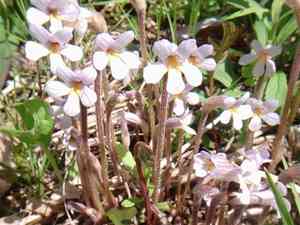
Pinewoods lousewort is a perennial plant recognized for its vivid blossoms and partially parasitic characteristics. The most effective periods for trimming are early spring and late winter, prior to the emergence of new shoots. Methods involve excising deceased or compromised stalks and cutting back spent flower stems to stimulate robust new development. Trimming benefits pinewoods lousewort by improving air movement, lowering the likelihood of illness, and boosting the plant's general vitality. Always employ sanitized, sharp implements to lessen trauma and avert the dissemination of pathogens.
What Are the Benefits of Pruning Pinewoods Lousewort?
What Are the Benefits of Pruning Pinewoods Lousewort?
Pinewoods lousewort pruning encourages robust development, maintains its form, enhances visual appeal, manages size, and boosts resistance to pests and diseases. Proper trimming ensures pinewoods lousewort thrives and keeps a neat shape. Pruning after blooming promotes strong growth.
What Is the Best Time for Pruning Pinewoods Lousewort?
What Is the Best Time for Pruning Pinewoods Lousewort?
Pruning or trimming pinewoods lousewort during early spring or late winter is recommended due to its dormant state, which minimizes plant stress and fosters healthy development. These periods coincide with the end of the plant's rest phase before new growth starts, ensuring energy is directed towards vigorous new shoots. Additionally, this timing helps maximize flower production by allowing the plant to recover before the flowering season. Pruning at these times also reduces disease transmission and pest infestations, as lower temperatures limit pathogen activity.
What Tools Do I Need to Prune Pinewoods Lousewort?
Hand Pruners
Perfect for accurate cuts on small, delicate stems of pinewoods lousewort. Hand pruners enable precise shaping and maintaining plant vitality.
Bypass Pruners
These pruners deliver clean cuts, less likely to harm the plant tissues of pinewoods lousewort, thereby lowering disease risk.
Fine-tipped Pruning Shears
Allows for careful trimming of intricate parts of pinewoods lousewort, especially useful for preserving the plant's aesthetic look.
Sharp Scissors
Helpful for removing spent flowers of pinewoods lousewort and making precise snips without causing undue damage to the plant.
How to Prune Pinewoods Lousewort
Assess
Examine pinewoods lousewort thoroughly to identify diseased and withered leaves that require removal.
Tool Preparation
Sanitize pruning tools with alcohol or a bleach solution to prevent the spread of ailments.
Clean Cut
Remove diseased leaves by cutting them at the base of the leaf stem using a sharp, sterilized tool. Ensure the cut is clean to encourage healthy regrowth.
Remove Withered Leaves
Trim withered leaves back to healthy tissue or remove them entirely if they are detached. Make the cuts flush with the stem to avoid leaving stubs.
Dispose
Collect and discard the pruned diseased and withered leaves away from the garden to minimize the risk of disease spread.
Common Pruning Mistakes with Pinewoods Lousewort
Over-pruning
Removing too much of the plant's growth can stress pinewoods lousewort, potentially leading to poor flowering and reduced vitality.
Improper tool usage
Using dull or dirty pruning tools can cause ragged cuts that may invite disease and pests.
Incorrect technique
Making improper cuts, such as cutting too close to the plant's main stem, can damage the plant and interrupt nutrient flow.
Pruning at wrong angles
Incorrectly angled cuts can lead to water accumulation on the cut surfaces, increasing the risk of rot and fungal infections.
Not removing damaged parts
Failing to prune out diseased, dead, or damaged foliage and stems can spread infections throughout pinewoods lousewort.
Common Pruning Tips for Pinewoods Lousewort
Use sharp, clean tools
Ensure pruning shears are both sharp and sanitized to make clean cuts and prevent introducing pathogens.
Make precise cuts
Trim just above a bud at a slight angle to promote new growth while preventing water from accumulating on the cut surface.
Remove dead or diseased parts
Regularly inspect pinewoods lousewort for any signs of damage or disease and prune these parts promptly to maintain plant health.
Thin selectively
Focus on thinning out crowded areas to improve air circulation and light penetration, encouraging healthier growth while avoiding over-pruning.
Mind the plant's natural shape
Prune in a way that supports the natural form of pinewoods lousewort, ensuring aesthetic appeal and structural integrity.


