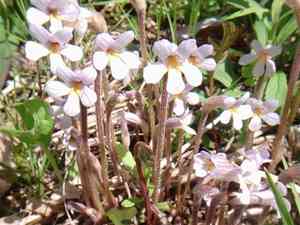
Pinewoods lousewort (Pedicularis semibarbata)
Also known as: N/A
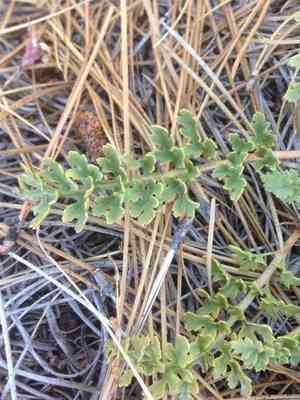
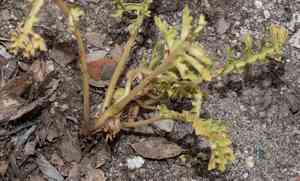
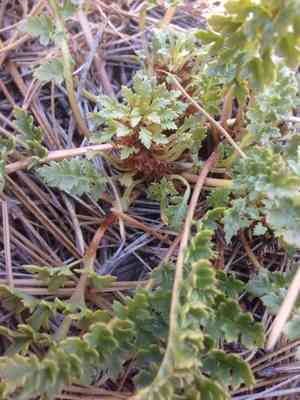
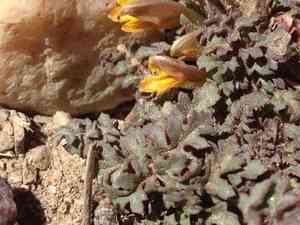
Pedicularis semibarbata, a perennial herb, typically produces multiple stems that can reach up to 20 centimeters in length, emerging from a caudex. Most of these stems remain below the soil surface, causing the plant to appear low to the ground. Its lance-shaped leaves can also grow up to 20 centimeters long and are intricately divided into numerous toothed or lobed segments.
In This Article
Attributes of Pinewoods lousewort
Lifespan
Perennial
Plant Type
Herb
Plant Height
Typically around 10-60 cm
Spread
N/A
Leaf Color
Green
Flower Size
Around 1-2 cm
Flower Color
Yellow to reddish
Images of Pinewoods lousewort
Quickly Identify Pinewoods lousewort
1
This plant can be identified by its fernlike leaves and yellow to reddish flowers with a noticeable beak-like structure. It often grows in mountainous coniferous forests.
Scientific Classification of Pinewoods lousewort
Phylum
Vascular plants
Class
Dicotyledons
Order
Lamiales
Family
Broomrape
Genus
Pedicularis
Species
Pinewoods lousewort
Planting and Growing of Pinewoods lousewort
Care Difficulty
Moderate
Watering Schedule
Every 2 days
Sunlight Requirements
Partial sun
Sunshine Duration
4-8 hours
Ideal Temperature
60-75℉
Soil Type
Potting Mix, Peat Mix
Soil pH
6.5-7.5
Fertilizer Type
Balanced
Pruning Season
Spring, Summer
Pruning Area
Leaves, Branches
Pruning Frequency
2 times a year
Repotting Season
Spring
Pot Type
Ceramic, Plastic
 How to Water Pinewoods lousewort?
For Pedicularis semibarbata, ensure each watering session thoroughly moistens the soil to a depth of about 2-3 inches without causing puddles. This typically requires around 250ml of water, depending on pot drainage and environmental conditions.
What are the symptoms of an underwatered Pinewoods lousewort?
›
What should I do if my Pinewoods lousewort is not getting enough water?
›
What are the symptoms of an overwatered Pinewoods lousewort?
›
How to save an overwatered Pinewoods lousewort?
›
 What Are the Sunlight Requirements for Pinewoods lousewort?
Pedicularis semibarbata prefers partial sun to full shade, ideally with dappled sunlight simulating forest conditions. This lighting supports its native growth patterns, ensuring the plant's vitality and preventing stress-related issues.
What is the best light exposure for Pedicularis semibarbata?
›
How can I achieve ideal light conditions for this plant?
›
What are the benefits of providing optimal lighting?
›
 What Is the Ideal Temperature Range for Pinewoods lousewort?
The ideal temperature range for growing Pedicularis semibarbata is between 60°F and 75°F. Within this range, the plant can efficiently carry out photosynthesis, facilitating robust growth and development. Consistent temperatures within this bracket ensure proper metabolic activities and reduce stress factors that may otherwise inhibit growth or impact health.
 What Soil is Best for Pinewoods lousewort?
Pedicularis semibarbata thrives in well-drained soil to prevent root rot. A soil that drains quickly stops water from pooling around the roots, keeping them healthy and robust. This plant prefers soil with moderate fertility. A balance of nutrients ensures healthy growth without causing nutrient burn or excessive foliage development. Although it likes well-drained soil, moisture retention is important to keep the plant hydrated. Soil with a mix of sand and loam provides this balance well.
 How to Fertilize Pinewoods lousewort?
The amount of fertilizer for Pedicularis semibarbata should be moderate. Apply a liquid fertilizer diluted to half its recommended strength to avoid overfeeding. Too much can lead to root burn and foliage damage. For slow-release fertilizers, a gram per square foot applied around the base works well, ensuring sustained nourishment without overwhelming the plant.
 How to Prune Pinewoods lousewort?
Begin by sterilizing your pruning shears to prevent the spread of disease. Carefully examine the plant and identify any dead, damaged, or diseased stems. These should be removed at their base. Aim to prune just above a node to encourage healthy new growth. Reduce excessive growth to shape the plant, ensuring it's not overcrowded. This structure helps in air circulation, which minimizes disease risks. This species benefits from light shaping to maintain an appealing form. Trim back the longer stems to create a more balanced silhouette, being cautious not to remove too much in one session. Allow sunlight to penetrate the inner foliage, promoting a robust growth environment.
More About Pruning Techniques→
 How to Propagate Pinewoods lousewort plant?
1
Collect seeds from mature plants in late summer or early autumn. Ensure they are completely dry before storing them in airtight containers in a cool, dark place to maintain viability.
2
Some species of Pedicularis semibarbata benefit from cold stratification. Place seeds in a moist substrate and refrigerate them for 4-6 weeks to break dormancy before planting.
3
Sow the seeds on the surface of the potting mix, lightly covering them with a thin layer of soil. Keep the soil consistently moist and provide indirect sunlight to encourage germination.
 How to Repot Pinewoods lousewort plant?
1
Observe when Pedicularis semibarbata starts to show signs of cramped roots or when growth slows down significantly. These signals usually indicate it's time for a new, larger pot to accommodate the growing root system. The ideal time for repotting is spring or autumn when the plant is actively growing, which allows it to recover quickly.
2
Choose a pot that is 1-2 inches larger in diameter than the current pot. A container with proper drainage holes is essential, as it prevents waterlogging, which can lead to root rot. The right pot ensures that your plant has enough space to expand its roots, promoting healthier and more vigorous growth.
3
Select a well-draining potting mix, ideal for Pedicularis semibarbata. Sand, perlite, or vermiculite can be included to improve drainage. A soil with good drainage inhibits waterlogging and supports the root system, helping the plant absorb nutrients efficiently, encouraging robust growth.


