How to Prune Sanddune chinchweed?
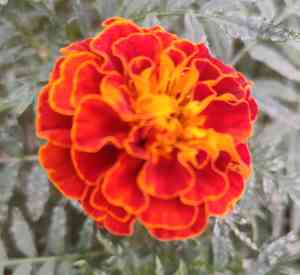
Distinguished by its grayish-green leaves and golden blossoms, sanddune chinchweed flourishes with regular trimming. Perform pruning in the spring, summer, and autumn to preserve its form and stimulate vigorous development. Concentrate on excising deceased or injured stalks, and lightly shear any excessively long sections. Consistent pruning fosters thicker foliage and more abundant blooms. Verify that all implements are disinfected to avert illness. These methods contribute to sustaining sanddune chinchweed's well-being and visual attractiveness, boosting its hardiness and capacity for flowering.
What Are the Benefits of Pruning Sanddune Chinchweed?
What Are the Benefits of Pruning Sanddune Chinchweed?
Sanddune chinchweed thrives with trimming, promoting robust development and maintaining its form. Pruning encourages vigorous growth, manages plant dimensions, fosters dense foliage, and enhances resistance to pests and illnesses.
What Is the Best Time for Pruning Sanddune Chinchweed?
What Is the Best Time for Pruning Sanddune Chinchweed?
Trimming or cutting during spring, summer, and fall ensures sanddune chinchweed is cut back during its active growth phases, promoting healthy new growth and preventing disease. Spring pruning helps remove any winter damage, while summer and fall pruning can shape the plant after its flowering periods, ensuring it remains healthy and robust going into the dormant winter season.
What Tools Do I Need to Prune Sanddune Chinchweed?
Bypass Pruners
Perfect for making clean cuts on living wood, minimizing harm to the plant.
Snips
Useful for delicate trimming tasks and cutting small stems or flowers without harming the plant.
Pruning Shears
Crucial for removing dead or diseased branches, encouraging healthy development.
Hand Trowel
Aids in root pruning tasks to maintain controlled growth and prevent over-spreading.
How to Prune Sanddune Chinchweed
Assess
Carefully examine sanddune chinchweed to identify any withered leaves. Focus on areas where leaves appear brown, dry, or dead.
Sanitize
Use clean, sharp pruning shears or scissors. Sanitize the tools with rubbing alcohol to prevent disease transmission.
Cut
Trim the withered leaves close to their base or point of origin on the stem. Ensure not to cut into healthy tissue to avoid damaging the plant.
Dispose
Collect and properly dispose of the trimmed withered leaves. This stops the spread of potential fungi or pests back into sanddune chinchweed.
Observe
Monitor the plant regularly. Repeat the pruning of withered leaves as necessary to maintain the health and vigor of sanddune chinchweed.
Common Pruning Mistakes with Sanddune Chinchweed
Over-pruning
Removing too much of the plant at once can severely stress sanddune chinchweed and potentially stunt its growth. This is especially true for novices who might not realize the impact of heavy pruning.
Incorrect cutting technique
Using dull or inappropriate tools can cause jagged cuts, leading to increased vulnerability to disease and pests.
Pruning at the wrong points
Cutting at random points or too close to the node can damage the plant. It's important to prune above a node without leaving too much stub.
Failure to sanitize tools
Using unclean pruning tools can introduce diseases to sanddune chinchweed, which can spread rapidly and damage the plant.
Ignoring the plant's natural shape
Pruning that disregards the natural form of sanddune chinchweed can result in an uneven, unattractive shape and poor aeration within the plant.
Common Pruning Tips for Sanddune Chinchweed
Use sharp, clean tools
Always ensure your pruning equipment is sharp and sanitized to make clean cuts and prevent disease spread. Pruners or shears are usually the best tools for the job.
Make precise cuts
When pruning sanddune chinchweed, cut just above a node, ensuring you do not leave a long stub which can die back and become a vector for pathogens.
Prune selectively
Remove any dead, damaged, or diseased stems first. Then, thin out dense areas to allow light and air to penetrate, which promotes healthy growth.
Maintain the natural shape
Focus on retaining sanddune chinchweed's natural growth habit. This will help keep the plant looking aesthetically pleasing and ensure balanced growth.
Monitor plant health
Regularly check sanddune chinchweed for any signs of stress or disease after pruning. Adjust your pruning practices based on the plant's response to ensure continued health and vigor.



