How to Prune Oregon Boxleaf?
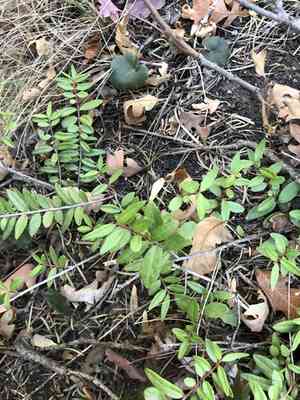
Originating from elevated terrains, this perennial shrub is recognized for its tough foliage and robust branches. For oregon Boxleaf, trim to preserve its form and eliminate any lifeless or compromised wood. The ideal period for trimming is in late winter prior to the emergence of new shoots. Judicious pruning fosters vigorous leaves and enhances air movement, potentially lowering the chance of illness. Refrain from extensive cutting to retain its inherent structure and guarantee resilience in chilly environments.
Advantages of Trimming Oregon Boxleaf
Advantages of Trimming Oregon Boxleaf
Trimming oregon Boxleaf promotes robust development and sustains its thick, compact structure. Deliberately removing branches boosts the plant's vigor, enabling a more controlled form and size, ensuring its prosperity in its landscape placement.
Optimal Period for Trimming Oregon Boxleaf
Optimal Period for Trimming Oregon Boxleaf
Trimming oregon Boxleaf during its dormant phase, specifically late winter or early spring, minimizes plant stress. This timing allows for the removal of dead or diseased wood without affecting the upcoming growth cycle. Furthermore, wounds heal quicker as the plant isn't actively directing resources to foliage, lessening vulnerability to diseases or pests. Pruning before the growth season commences also enables the gardener to effectively shape the plant, fostering a strong framework for the year ahead.
Essential Tools for Trimming Oregon Boxleaf
Bypass Pruners
Perfect for making precise cuts on the small stems of oregon Boxleaf, which encourages healthy regrowth without causing unnecessary harm to the plant.
Hand Shears
Useful for shaping oregon Boxleaf and maintaining its dense, square-like appearance. Their sharp, straight blades are ideal for accurate cuts.
Pruning Saw
Required for cutting through any branches exceeding half an inch in thickness that bypass pruners cannot manage, ensuring a clean cut that aids in proper healing.
Loppers
These offer leverage for trimming thicker branches of oregon Boxleaf that are difficult to reach with hand shears, while also reducing strain on the gardener's hands.
How to Trim Oregon Boxleaf
Sanitize Tools
Sterilize pruning shears or scissors before starting to prevent the spread of disease when cutting oregon Boxleaf.
Remove Withered Leaves
Carefully snip off any visibly withered leaves from oregon Boxleaf at the base of the leaf stem, using clean, sharp shears to make a precise cut without harming healthy tissue.
Eliminate Dead Branches
Cut dead branches back to the point of live, healthy wood on oregon Boxleaf. Make the cut just above a leaf node or bud to encourage new growth and maintain the plant's natural shape.
Prune Diseased Branches
Identify and remove any diseased branches from oregon Boxleaf, cutting well into the healthy tissue to ensure all affected areas are removed. Clean the cutting tools with a disinfectant after each cut to avoid contaminating healthy parts.
Shape Plant
After removing all dead and diseased wood, gently shape the oregon Boxleaf by selectively trimming back overgrown branches to maintain a balanced, aesthetically pleasing form.
Common Trimming Errors with Oregon Boxleaf
Excessive Pruning
Removing too much foliage from oregon Boxleaf at once can stress the plant, leading to stunted growth or vulnerability to pests and diseases.
Incorrect Cut Placement
Making cuts either too close or too far from the main stem can impede healing and promote decay.
Using Dull Tools
Pruning with dull blades can cause jagged cuts that damage oregon Boxleaf's tissue, making it more susceptible to infection.
Neglecting Tool Cleanliness
Failure to clean and disinfect tools between cuts can spread disease from plant to plant.
Pruning Without Plan
Randomly cutting without understanding oregon Boxleaf's growth pattern can result in an undesirable shape and sparse foliage distribution.
General Trimming Advice for Oregon Boxleaf
Selective Pruning
Carefully choose branches for removal to maintain oregon Boxleaf's natural shape and dense foliage. Target dead, diseased, or crossed branches that compromise the plant's appearance and health.
Appropriate Cut Angle
Make cuts at a 45-degree angle about 1/4 inch above a leaf node or bud to promote healthy regrowth.
Gradual Shaping
For sculpting oregon Boxleaf, practice gradual shaping over several seasons rather than aggressive pruning in a single session to preserve plant vigor.
Post-Pruning Care
Water oregon Boxleaf adequately and consider applying mulch to reduce stress and aid in recovery after pruning.
Sharp And Clean Tools
Use sharp, clean pruning shears or a similar tool to ensure clean cuts and reduce the risk of spreading pathogens.



