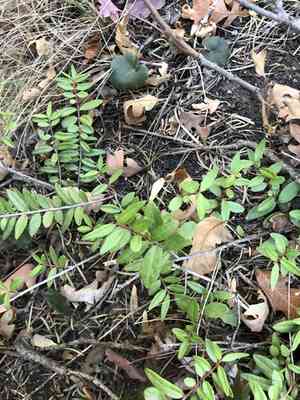
Oregon Boxleaf (Paxistima myrsinites)
Also known as: Mountain Lover, False Box, Myrtle Boxwood
The Oregon Boxleaf (Paxistima myrsinites) is an evergreen shrub native to mountainous regions, thriving in dry, sunny, open areas. It features small, fragrant maroon flowers that bloom from spring to summer. The plant also produces small, oval capsules as fruit, which ripen from summer to fall, each containing one or two seeds. It can be propagated from cuttings or grown from stratified seeds.
In This Article
Attributes of Oregon Boxleaf
Lifespan
Perennial
Plant Type
Shrub
Plant Height
30 cm to 61 cm
Spread
60 cm to 90 cm
Leaf Color
Green
Flower Size
2.5 cm
Flower Color
Red Yellow Pink Green Purple Brown
Images of Oregon Boxleaf
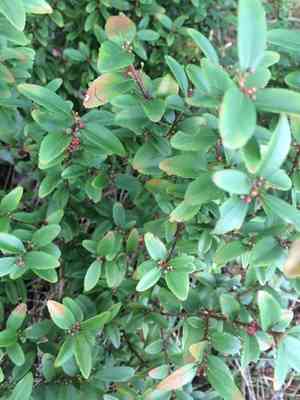
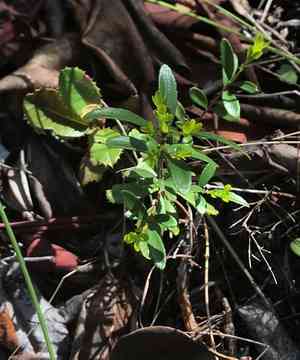
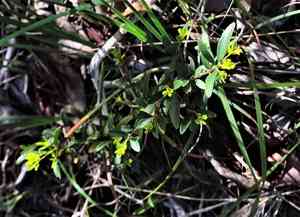
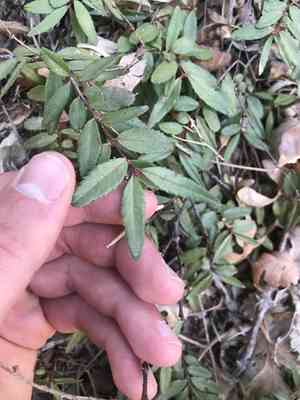
Quickly Identify Oregon Boxleaf
1
This plant can be identified by its small, shiny, leathery leaves, which are oppositely arranged. The leaves are dark green and have a finely toothed edge. Its flowers are small and greenish, usually blooming in late spring to early summer.
Scientific Classification of Oregon Boxleaf
Phylum
Vascular plants
Class
Dicotyledons
Order
Celastrales
Family
Bittersweet
Genus
Paxistima
Species
Oregon Boxleaf
Planting and Growing of Oregon Boxleaf
Care Difficulty
Easy
Watering Schedule
Every 2 days
Sunlight Requirements
Full sun
Sunshine Duration
6-10 hours
Ideal Temperature
55-65℉
Soil Type
Potting Mix, Peat Mix
Soil pH
5.5-7.5
Fertilizer Type
Balanced
Pruning Season
Spring, Summer
Pruning Area
Branches, Leaves
Pruning Frequency
2 times a year
Repotting Season
Spring
Pot Type
Plastic, Ceramic
 How to Water Oregon Boxleaf?
For Paxistima myrsinites, the watering amount should be enough to moisten the soil thoroughly, but not to the point of waterlogging. A general guideline is to use about 500 ml of water, ensuring the soil is evenly wet but the water does not pool at the base.
What are the symptoms of an underwatered Oregon Boxleaf?
›
What should I do if my Oregon Boxleaf is not getting enough water?
›
What are the symptoms of an overwatered Oregon Boxleaf?
›
How to save an overwatered Oregon Boxleaf?
›
 What Are the Sunlight Requirements for Oregon Boxleaf?
A mix of full and partial sun optimizes growth for Paxistima myrsinites. Adequate light leads to vibrant foliage and robust stems with enhanced flowering potential.
More About Sunlight Requirements Techniques→
Optimal Sun Exposure
›
Partial Shade Benefits
›
Balancing Light and Shade
›
 What Is the Ideal Temperature Range for Oregon Boxleaf?
Paxistima myrsinites thrives best in temperatures ranging from 55°F to 65°F. This range provides the necessary warmth for optimal photosynthesis and growth processes. Within this range, the plant can maintain proper metabolic rates and develop robust foliage, ensuring it grows healthily and vigorously.
 What Soil is Best for Oregon Boxleaf?
Paxistima myrsinites prefers well-drained soils to prevent root rot and ensure the plant doesn't sit in waterlogged conditions. This requirement is crucial for maintaining healthy root systems, which in turn supports the plant's overall robust growth and longevity. The plant thrives in moderately fertile soils where it can access essential nutrients without the risk of nutrient burn. This helps in sustaining vibrant foliage and encourages consistent growth through different seasons. Paxistima myrsinites benefits from soils that retain moisture without becoming soggy. This balance is vital in ensuring the plant remains hydrated enough to support its lush leaves and stems while preventing potential bacterial or fungal infections that arise in overly wet conditions.
 How to Fertilize Oregon Boxleaf?
For Paxistima myrsinites, use a balanced fertilizer diluted to half strength when applying liquid fertilizers. For slow-release fertilizers, a general guideline is to apply about 1 pound per 100 square feet to ensure the plant receives adequate nutrients without over-fertilization.
 How to Prune Oregon Boxleaf?
Start by identifying and cutting away any dead, diseased, or damaged branches. This prevents the spread of disease and redirects the plant’s energy towards healthier parts. Gently trim back long or stray branches to maintain the plant’s natural dome-like shape. This keeps the shrub compact and encourages denser foliage, improving its overall look. If the shrub appears overly dense, selectively remove some interior branches. This improves air circulation, reduces pest problems, and allows light to penetrate, promoting better growth.
More About Pruning Techniques→
 How to Propagate Oregon Boxleaf plant?
1
Start by selecting healthy, disease-free plant material. If propagating by cuttings, choose non-flowering stems. Clean your tools to prevent contamination, and make precise cuts just below a node for cuttings.
2
Create a favorable growing environment by providing warmth and humidity. For seeds, use a seed tray with a plastic dome lid to maintain humidity. For cuttings, place them in a propagator or cover with a plastic bag to retain moisture.
3
Once the seedlings or cuttings have developed a strong root system, they should be transplanted into larger pots. Ensure they are acclimatized to their new environment gradually to avoid shock.
 How to Repot Oregon Boxleaf plant?
1
Repotting Paxistima myrsinites is ideally done in early spring or autumn. Signs that your plant needs repotting include roots circling the pot, slowed growth, or the soil drying out quickly. These are indicators that your plant is outgrowing its pot or the soil has depleted nutrients.
2
Choose a pot that is about 1-2 inches larger in diameter than the current one. Ensure it has drainage holes to prevent waterlogging, which can harm the roots. The pot material can be terracotta for better moisture evaporation, or plastic for retaining moisture longer.
3
Opt for a soil that is well-draining and rich in organic matter. A blend suitable for shrubs, with components like peat, perlite, and coarse sand, provides excellent aeration. This mixture prevents root rot and supports healthy root development by ensuring proper oxygen flow.



