How to Prune Pavonia burchellii?
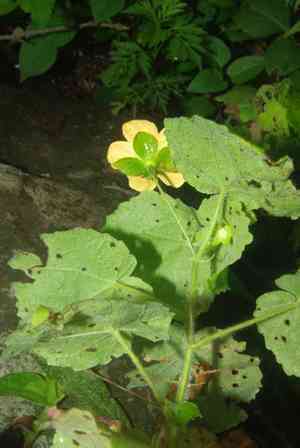
For optimal development, Pavonia burchellii should be trimmed in the initial weeks of spring. Begin by eliminating any lifeless or compromised branches to foster robust expansion. Reduce crowded sections to enhance air circulation and light exposure, and sculpt the plant for visual appeal or to manage its dimensions as required. Trimming in early spring corresponds with Pavonia burchellii's natural growth pattern, guaranteeing reduced strain and swift recuperation. Consistent trimming boosts flowering and general plant vitality, rendering it a crucial routine for preserving a sturdy and appealing garden specimen.
What Are the Benefits of Pruning Pavonia Burchellii?
What Are the Benefits of Pruning Pavonia Burchellii?
Pruning Pavonia burchellii promotes vigorous growth and maintains its form. It encourages robust development and enhances overall appearance, crucial for a strong, well-shaped plant. Regular trimming also helps deter pests and diseases.
What Is the Best Time for Pruning Pavonia Burchellii?
What Is the Best Time for Pruning Pavonia Burchellii?
Pavonia burchellii should be trimmed in early spring, aligning with its natural growth cycle. At this time, the plant is emerging from dormancy, minimizing stress and allowing for quick recovery. Early spring pruning also avoids disrupting flowering or fruiting, fostering overall health and stronger, more energetic growth throughout the season.
What Tools Do I Need to Prune Pavonia Burchellii?
Bypass Pruners
Perfect for cutting smaller branches and stems up to 1/2 inch in diameter. They provide a clean cut, aiding in rapid healing and reducing disease risk.
Lopping Shears
Useful for thicker branches up to 2 inches in diameter. Their long handles offer leverage, simplifying pruning in hard-to-reach areas.
Pruning Saw
Recommended for branches too thick for lopping shears. A pruning saw ensures a clean, smooth cut without harming the plant.
Hand Shears
Good for trimming small shoots and shaping the plant. They help maintain the desired form without causing significant damage.
Gloves
Essential for protecting hands from thorns and rough branches during pruning.
Disinfectant
Necessary for cleaning tools before and after pruning to prevent disease transmission.
How to Prune Pavonia Burchellii
Inspect
Thoroughly examine pavonia burchellii for any diseased, withered, or dead leaves and branches. Identify all affected areas to determine the extent of necessary trimming.
Disinfect
Clean and sanitize your pruning tools before beginning. This is vital to prevent disease spread and ensure a healthy cut.
Remove diseased leaves
Carefully remove any diseased leaves. Cut just below the visible disease, ensuring all affected tissue is gone to prevent further spread.
Trim withered leaves
Cut off any withered leaves. These should be removed to maintain the plant's vitality and overall appearance. Trim back to a point just above healthy foliage.
Cut dead diseased branches
Prune dead and diseased branches. Make clean cuts close to the main stem or a healthy lateral branch. Ensure all cuts are angled to promote better healing and reduce the risk of water accumulation and rot.
Common Pruning Mistakes with Pavonia Burchellii
Incorrect Technique
Using improper tools or making uneven cuts can damage pavonia burchellii and hinder its growth.
Over-Pruning
Removing too much foliage can stress pavonia burchellii, reducing its ability to photosynthesize and recover.
Pruning at Inappropriate Angles
Cutting branches at harsh angles can expose more tissue to pests and diseases, potentially harming pavonia burchellii.
Ignoring Dead or Diseased Wood
Failing to remove dead or diseased branches can spread infections to healthy parts of pavonia burchellii.
Pruning at the Wrong Nodes
Cutting above the wrong nodes or buds can result in weak growth or misshapen plants.
Common Pruning Tips for Pavonia Burchellii
Use Sharp, Clean Tools
Ensure your pruning shears are sharp and sterilized to make clean cuts and prevent disease spread.
Remove Dead and Diseased Wood First
Start by removing any dead, diseased, or damaged branches to keep pavonia burchellii healthy.
Prune for Shape and Airflow
Trim back branches to maintain the desired shape of pavonia burchellii and ensure good airflow through the plant, reducing disease risk.
Make Clean, Angled Cuts
Always make cuts at a 45-degree angle, about 1/4 inch above an outward-facing bud to encourage healthy growth.
Limit the Amount You Prune
Refrain from cutting more than one-third of pavonia burchellii's total foliage in one session to avoid stress and give the plant time to recover.



