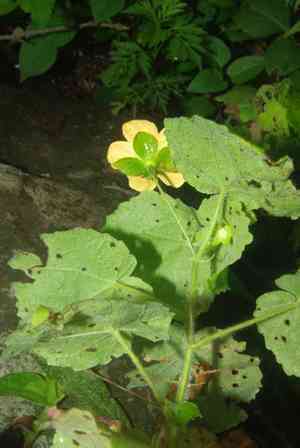
Pavonia burchellii (Pavonia burchellii)
Also known as: None
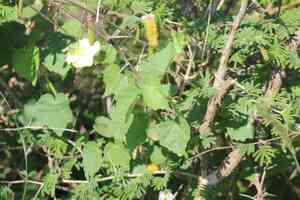
Pavonia burchellii is a captivating perennial known for its bright, hibiscus-like flowers and heart-shaped leaves. The eye-catching blooms, featuring a prominent central column of stamens, attract pollinators and create a stunning visual display. This plant flourishes in well-drained soils and thrives in sunny environments, making the most of bright conditions to boost its flowering. Its natural adaptability allows it to perform well in gardens with similar climates.
In This Article
Attributes of Pavonia burchellii
Lifespan
Perennial
Plant Type
Shrub
Plant Height
0.5 to 1.5 meters
Spread
0.5 to 1 meter
Leaf Color
Green
Flower Size
3 to 5 cm
Flower Color
Red, Pink
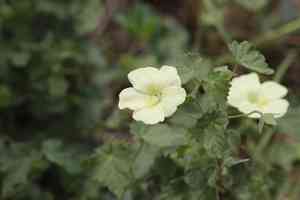
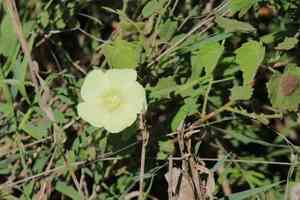
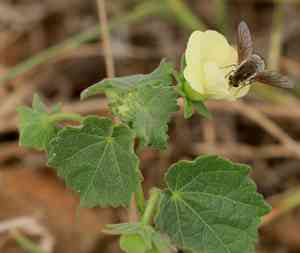
Images of Pavonia burchellii
Quickly Identify Pavonia burchellii
1
Pavonia burchellii can be identified by its unique five-petaled flowers, which are often red or pink, and its lobed leaves.
Scientific Classification of Pavonia burchellii
Phylum
Vascular plants
Class
Dicotyledons
Order
Malvales
Family
Mallow
Genus
Swampmallows
Species
Pavonia burchellii
Planting and Growing of Pavonia burchellii
Care Difficulty
Moderate
Watering Schedule
Every 3 days
Sunlight Requirements
Partial sun
Sunshine Duration
6-10 hours
Ideal Temperature
68-77℉
Soil Type
Potting Mix, Peat Mix
Soil pH
6.5-7.5
Fertilizer Type
Balanced
Pruning Season
Spring, Summer
Pruning Area
Branches, Leaves
Pruning Frequency
2 times a year
Repotting Season
Spring
Pot Type
Plastic, Ceramic
 How to Water Pavonia burchellii?
Pavonia burchellii thrives with a careful balance of moisture. It prefers 250 milliliters of water per session. The goal is to moisten the soil evenly, ensuring adequate hydration without waterlogging. Water slowly to allow absorption and monitor for runoff.
What are the symptoms of an underwatered Pavonia burchellii?
›
What should I do if my Pavonia burchellii is not getting enough water?
›
What are the symptoms of an overwatered Pavonia burchellii?
›
How to save an overwatered Pavonia burchellii?
›
 What Are the Sunlight Requirements for Pavonia burchellii?
Pavonia burchellii benefits from partial sun exposure, ideally receiving 4 to 6 hours of light daily. This range ensures photosynthesis, promoting vigorous growth and enhancing plant health and appearance.
What is the best lighting environment for Pavonia burchellii?
›
How can you ensure ideal light for Pavonia burchellii?
›
What are the benefits of optimal lighting for Pavonia burchellii?
›
 What Is the Ideal Temperature Range for Pavonia burchellii?
Pavonia burchellii thrives best within a temperature range of 68 to 77 degrees Fahrenheit. This ensures efficient photosynthesis and metabolic activities. Keeping the temperature consistent within this range provides an ideal environment for growth and flowering, helping the plant to maintain a healthy lifecycle.
 What Soil is Best for Pavonia burchellii?
The soil should have good water retention ability without becoming waterlogged. This ensures that Pavonia burchellii receives enough moisture to thrive, supporting its growth and flowering. A nutrient-rich soil is crucial for the plant's health. It provides essential minerals and nutrients that promote vigorous growth and vibrant blooms. Excellent drainage is a key requirement to prevent root rot. This ensures that the roots have access to enough air while avoiding water saturation that could cause decay.
 How to Fertilize Pavonia burchellii?
Pavonia burchellii requires careful attention to the amount of fertilizer used. For liquid fertilizers, apply a solution at half the recommended strength for most plants. For slow-release granules, use about a tablespoon spread evenly around the base of the plant.
 How to Prune Pavonia burchellii?
Start by removing any dead, damaged, or diseased branches to ensure the health of the Pavonia burchellii. Cut these branches back to their point of origin. Next, focus on shaping the plant by trimming any overgrown or long stems, maintaining a symmetrical and balanced appearance. Always use sharp, clean tools to make precise cuts and minimize injury to the plant. Finally, clean up any debris around the plant base to improve air circulation and reduce the risk of disease.
More About Pruning Techniques→
 How to Propagate Pavonia burchellii plant?
1
Collect seeds from mature, dry seed pods. Ensure seeds are fully developed and dry them in a paper bag for a few weeks to prepare for planting.
2
Use pruning shears to cut 10-15 cm sections from healthy, non-flowering stems. Remove the lower leaves to expose nodes that will be buried for rooting.
3
Fill pots with a mix of peat and perlite. Plant seeds or insert cuttings into the soil, ensuring nodes are adequately buried for cuttings. Water lightly to settle the medium.
 How to Repot Pavonia burchellii plant?
1
Pavonia burchellii should be repotted when you notice its roots outgrowing the current pot, or when its growth seems inhibited, signaling that the soil is depleted of nutrients. Spring or summer is the ideal time when the plant is in its growth phase, ensuring it can quickly recover from repotting shock.
2
Choose a pot that is 1-2 inches larger in diameter than the current one, with adequate drainage holes to prevent waterlogging. The increased size provides space for root growth, ensuring that the plant doesn't become root-bound too quickly.
3
Use a well-draining potting mix, rich in organic material, but light enough to allow for air circulation. This ensures the roots have access to necessary water and nutrients while minimizing the risk of rot caused by standing moisture.
Learn More About Pavonia burchellii Diseases
Anthracnose
Bacterial Leaf Spot
Bacterial Soft Rot
Bacterial Wilt
Black Spot
Chemical Injury
Crown Gall
Cyst Nematode
Damping-off
Downy Mildew
Drought Stress
Fusarium Wilt
Gray Mold
Leaf Curl
Leaf Spot
Mosaic
Nutrient Deficiency
Nutrient Toxicity
Powdery Mildew
Root Rot
Root-knot Nematode
Rusts
Sooty Mold
Spider Mites
Temperature Stress
Thrips Damage
White Mold



