How to Prune Banana passionflower?
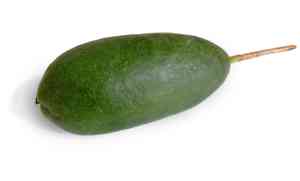
The banana passionflower, recognized for its vivid blossoms and palatable produce, flourishes with consistent trimming. The most effective time for pruning is in the early spring or late winter to encourage robust development and fruit yield. Concentrate on eliminating deceased or excessively dense branches to improve air movement and sunlight penetration. Trimming additionally aids in preserving a controllable form and dimension, averting excessive expansion in horticultural areas. Always employ sanitized, keen implements to execute accurate incisions, thereby reducing strain and the possibility of illness.
What Are the Benefits of Pruning Banana Passionflower?
What Are the Benefits of Pruning Banana Passionflower?
Trimming banana passionflower is crucial for sustaining its robust growth and managing its invasive tendencies. Regular trimming helps keep banana passionflower contained, preventing excessive growth that can reduce garden space and overshadow other plants.
What Is the Best Time for Pruning Banana Passionflower?
What Is the Best Time for Pruning Banana Passionflower?
Late winter and early spring are optimal times to prune banana passionflower as these periods precede its active growth phase, allowing for quick recovery and energy investment in new growth as temperatures rise. Pruning in late winter helps eliminate frost-damaged branches and thin the plant to enhance air circulation and light penetration, vital for banana passionflower's health and vigor. Early spring pruning, just before new growth emerges, assists in shaping the plant and controlling its size. This timing also minimally affects flowering and fruiting cycles, as banana passionflower typically blooms and bears fruit on new growth, ensuring abundant blossoms and fruit production in the subsequent season.
What Tools Do I Need to Prune Banana Passionflower?
Hand Pruners
Ideal for making precise cuts on the thinner, more delicate stems of banana passionflower. They should be sharp to ensure clean cuts, which help prevent disease and damage to the plant.
Loppers
Perfect for reaching into the denser parts of banana passionflower and cutting through thicker stems that hand pruners cannot handle. The long handles provide leverage to make cutting easier and less damaging to the plant.
Pruning Saw
Essential for cutting through the thickest stems of banana passionflower that loppers cannot manage. A pruning saw allows for cutting larger branches smoothly, which is essential for maintaining the health of the plant.
How to Prune Banana Passionflower
Identify
Identify and assess the health of banana passionflower's leaves, focusing on spotting any with signs of disease, such as discoloration, spots, or decay, and any that are withered or dead.
Disinfect
Disinfect your pruning tools before beginning to cut. This prevents the spread of disease between different parts of banana passionflower or other plants. Use a solution of 1 part bleach to 9 parts water or rubbing alcohol to clean the blades.
Prune diseased
Carefully prune away the diseased and withered leaves. Make the cuts at the base of each affected leaf, ensuring not to damage healthy parts of banana passionflower. Properly dispose of these leaves to prevent the spread of any pathogens.
Inspect
Inspect banana passionflower for any further signs of stress or disease in other areas after the initial pruning. This includes looking for any signs that the issues have affected the stems or are more widespread than initially apparent.
Cleanup
Clean up all debris and fallen leaves from around banana passionflower to maintain a tidy environment that discourages the development of pests and diseases. Ensure all pruned material is removed from the area.
Common Pruning Mistakes with Banana Passionflower
Over-pruning
Removing too much growth from banana passionflower at once can shock the plant, stunting its development and reducing its flowering potential. Aim to remove no more than one-third of its growth during a single pruning session.
Improper cutting technique
Cutting banana passionflower's vines incorrectly can hinder its healing process and make it susceptible to diseases. Always use clean, sharp pruning shears and make clean, angled cuts just above leaf nodes or branching points.
Neglecting dead or diseased sections
Failing to regularly remove dead or diseased sections from banana passionflower can prevent the plant from thriving. Diseased limbs can spread illness throughout the plant, while dead material saps energy and detracts from its appearance and growth.
Common Pruning Tips for Banana Passionflower
Targeting growth
Focus on removing banana passionflower's weaker or overcrowded vines to ensure better air circulation and light penetration. This will promote healthier and more vigorous growth.
Encouraging flowering
Prune banana passionflower by targeting old, non-flowering vines and maintaining newer growth which is more likely to produce flowers. Keep a good balance between old and new growth to optimize flowering.
Periodic thinning
Periodically thin banana passionflower to prevent it from becoming too dense, which could reduce its overall health and flower production. Thinning out the vines helps to control the size of the plant and enhances its structural integrity.



