
Banana passionflower (Passiflora tarminiana)
Also known as: Banana passionfruit
The banana passionflower is a robust climbing vine known for its elaborate and eye-catching flowers, featuring a distinctive fringed corona around a central column. It thrives in warm, humid climates and has broad, three-lobed leaves that cling to support structures. This plant grows quickly, often covering trellises and other surfaces with lush green foliage interspersed with its striking blooms.
In This Article
Attributes of Banana passionflower
Lifespan
Perennial
Plant Type
Vine
Plant Height
10-20 meters (32-65 feet)
Spread
Variable, depending on the structure it\'s climbing on
Leaf Color
Dark green
Flower Size
8-10 centimeters (3-4 inches)
Flower Color
Bright pink
Images of Banana passionflower
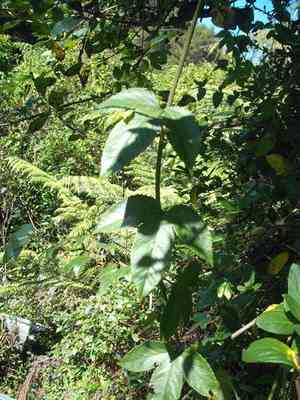
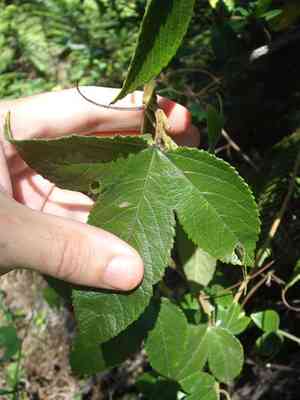
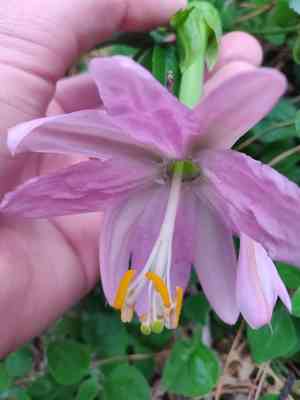
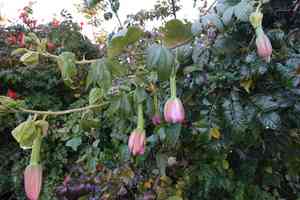
Quickly Identify Banana passionflower
1
The banana passionfruit can be identified by its long, tubular, bright pink flowers, and its yellow, banana-shaped fruit. The leaves are three-lobed and dark green. The vine itself is vigorous and tends to climb over surrounding vegetation.
Scientific Classification of Banana passionflower
Phylum
Vascular plants
Class
Dicotyledons
Order
Malpighiales
Family
Passionflowers
Genus
Passion flowers
Species
Banana passionflower
Planting and Growing of Banana passionflower
Care Difficulty
Easy
Watering Schedule
Every 4 days
Sunlight Requirements
Partial sun
Sunshine Duration
6-12 hours
Ideal Temperature
60-75℉
Soil Type
Potting Mix, Peat Mix
Soil pH
6.5-7.5
Fertilizer Type
Balanced
Pruning Season
Spring, Summer
Pruning Area
Branches, Leaves
Pruning Frequency
2 times a year
Repotting Season
Spring
Pot Type
Plastic, Ceramic
 How to Water Banana passionflower?
For Passiflora tarminiana, watering should be deep enough to soak the root zone without leaving the soil waterlogged. This equates to about 500ml per session to ensure the roots access ample moisture.
What are the symptoms of an underwatered Banana passionflower?
›
What should I do if my Banana passionflower is not getting enough water?
›
What are the symptoms of an overwatered Banana passionflower?
›
How to save an overwatered Banana passionflower?
›
 What Are the Sunlight Requirements for Banana passionflower?
Passiflora tarminiana flourishes in a balance of full and partial sun. Ideal lighting fosters robust vine growth, vibrant flowers, and lush foliage, contributing to the plant's overall well-being and ornamental value.
How much sunlight does Passiflora tarminiana need?
›
What are the solutions for achieving ideal light conditions?
›
What are the benefits of ideal lighting for Passiflora tarminiana?
›
 What Is the Ideal Temperature Range for Banana passionflower?
Passiflora tarminiana thrives best within an ideal temperature range of 60-75°F. This range supports optimal growth and flowering, providing a stable environment to sustain its biological processes. Keeping temperatures consistently within this range minimizes stress, promotes vigorous growth, and helps maintain the vibrant coloration of its flowers.
 What Soil is Best for Banana passionflower?
Passiflora tarminiana thrives in well-drained soil, as it prevents waterlogging that might otherwise suffocate the roots. This ensures optimal growth and reduces the risk of root rot, contributing to a healthy, flourishing plant. The plant benefits from soils rich in organic matter, which provide essential nutrients. This fertilized environment supports vigorous growth, abundant flowering, and enhances the plant's overall resilience against environmental stressors. This passionflower appreciates a certain level of moisture retention in the soil, preventing it from drying out too quickly. Consistent moisture helps maintain steady growth and ensures the plant's hydration needs are met, especially during hot periods.
 How to Fertilize Banana passionflower?
For Passiflora tarminiana, a moderate amount of fertilizer ensures healthy growth. Apply approximately 1/2 teaspoon of liquid fertilizer dissolved in 1 gallon of water for every application. For solid, use 2 tablespoons around the root zone.
 How to Prune Banana passionflower?
Wear gloves to protect your hands from the plant's sap, which may cause skin irritation. Ensure that your pruning tools are sharp to make clean cuts, and sterilize them before and after use to prevent disease spread. While Passiflora tarminiana can be pruned year-round, avoid heavy pruning during extreme temperature conditions, such as the peak of summer or deepest winter, to prevent stressing the plant.
More About Pruning Techniques→
 How to Propagate Banana passionflower plant?
1
Choose a healthy parent plant free from diseases or pests. Inspect the leaves and stems for any signs of infection to ensure successful propagation of Passiflora tarminiana.
2
Use well-draining soil rich in organic matter for seed planting or cutting development. Preparing the soil correctly can prevent waterlogging and root rot while promoting nutrient availability.
3
Place seeds or cuttings in prepared soil at the appropriate depth. Ensure even spacing to prevent overcrowding, which can hinder growth and lead to increased competition for resources.
 How to Repot Banana passionflower plant?
1
Passiflora tarminiana shows signs that it's ready to be repotted when its roots start emerging from the drainage holes, or if water isn't soaking in as quickly, indicating the roots have filled the pot. It's best to repot during its active growing seasons, spring or summer, when the plant can recover more easily from the disturbance.
2
Select a pot that's one size larger than the current one and ensure it has adequate drainage holes. This allows room for the roots to expand while preventing waterlogging, promoting healthy growth. Terracotta is a great choice as it allows the soil to dry out more quickly, which is ideal for avoiding root rot.
3
Opt for a well-draining potting mix with plenty of organic matter. It should hold enough moisture to keep the plant hydrated but still drain excess water efficiently. This balance is crucial for Passiflora tarminiana, ensuring that its roots remain healthy and rot-free in its new environment.
Toxicity
Ingestion
WARNING
The judgment on toxicity and danger is for reference only. We DO NOT GUARANTEE any accuracy of such judgment. Therefore, you SHALL NOT rely on such judgment. It is IMPORTANT TO SEEK PROFESSIONAL ADVICE in advance when necessary.
Learn More About Banana passionflower Diseases
Anthracnose
Bacterial Leaf Spot
Bacterial Soft Rot
Bacterial Wilt
Black Spot
Chemical Injury
Crown Gall
Cyst Nematode
Damping-off
Downy Mildew
Drought Stress
Fusarium Wilt
Gray Mold
Leaf Curl
Leaf Spot
Mosaic
Nutrient Deficiency
Nutrient Toxicity
Powdery Mildew
Root Rot
Root-knot Nematode
Rusts
Sooty Mold
Spider Mites
Temperature Stress
Thrips Damage
White Mold



