How to Prune Dutchman's laudanum?
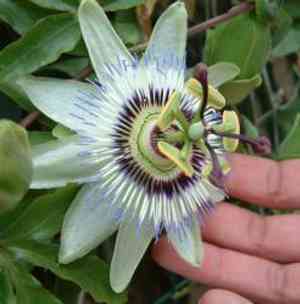
Originating from tropical climates, dutchman's laudanum displays vibrant red blossoms and robust development. Perform pruning in late winter or early spring to eliminate deceased or frail branches, improve air circulation, and stimulate flowering. Employ sanitized, keen implements to make cuts directly above sound nodes. Pruning aids in controlling dimensions, boosts visual attractiveness, and deters ailments. Consistent trimming sustains plant well-being and peak development.
What Are the Benefits of Pruning Dutchman's Laudanum?
What Are the Benefits of Pruning Dutchman's Laudanum?
Dutchman's laudanum thrives with trimming, as it encourages robust development and helps maintain its form. Pruning fosters better blooming, manages size, and boosts resistance to pests and illnesses, ensuring a lush and strong plant.
What Is the Best Time for Pruning Dutchman's Laudanum?
What Is the Best Time for Pruning Dutchman's Laudanum?
Trimming dutchman's laudanum in early spring and late winter helps ensure the plant isn't actively growing, minimizing stress and disease risk. This timing also allows new growth to emerge quickly as the season begins, promoting a healthier, more vigorous plant. Additionally, pruning during these periods avoids disrupting dutchman's laudanum's flowering or fruiting cycles, thus preserving its decorative or productive qualities.
What Tools Do I Need to Prune Dutchman's Laudanum?
Bypass Pruners
Perfect for cleanly cutting soft, green stems.
Loppers
Useful for trimming thicker, woody vines without causing damage.
Pruning Saw
Best for removing larger, more mature stems and branches.
Hand Shears
Ideal for detailed shaping and thinning of foliage.
Pole Pruner
Helpful for reaching higher vines without a ladder, ensuring safety and precision.
How to Prune Dutchman's Laudanum
Assess
Examine dutchman's laudanum to determine the extent of diseased and withered leaves. Use disinfected pruning shears to prevent disease spread.
Diseased removal
Carefully cut away all diseased leaves by targeting the affected area, making sure to cut at a 45-degree angle to promote healing and prevent water accumulation.
Withered removal
Trim back withered leaves to the base or nearest healthy stem; ensure no residual dead tissue remains to prevent potential disease spread.
Disposal
Collect and properly dispose of all removed leaf material. Avoid composting these leaves to prevent any disease from spreading.
Monitor
Regularly check dutchman's laudanum for further signs of disease or stress, and repeat pruning if necessary to maintain plant health.
Common Pruning Mistakes with Dutchman's Laudanum
Improper technique
Using dull or unclean tools can harm the plant, leading to increased susceptibility to diseases.
Excessive pruning
Over-trimming can stress dutchman's laudanum, reducing its ability to photosynthesize and affecting its overall health and flowering capacity.
Pruning at the wrong nodes
Cutting too close to the main stem or at incorrect nodes can hinder new growth and potentially harm overall plant development.
Ignoring dead or diseased wood
Failing to remove dead or diseased branches allows pathogens to spread and can severely affect the health of dutchman's laudanum.
Inconsistent pruning
Irregular pruning practices can lead to uneven growth and decreased structural integrity, making the plant more prone to breakage.
Common Pruning Tips for Dutchman's Laudanum
Sanitize tools
Always disinfect your pruning tools with alcohol or a diluted bleach solution before and after use to prevent disease spread.
Sharp tools
Use sharp, clean pruning shears to make clean cuts, which heal faster and reduce the risk of infection.
Remove deadwood
Regularly inspect dutchman's laudanum for dead, damaged, or diseased wood and remove it promptly to promote healthy growth.
Prune for shape
Focus on shaping the plant to maintain an open canopy, which allows light and air to penetrate, facilitating healthy growth and reducing the risk of disease.
Cut above nodes
Make your cuts just above a node or bud facing outward to encourage new growth in the desired direction.
Moderate pruning
Practice moderate pruning by removing no more than one-third of the plant at a time, ensuring the plant remains vigorous and healthy.



