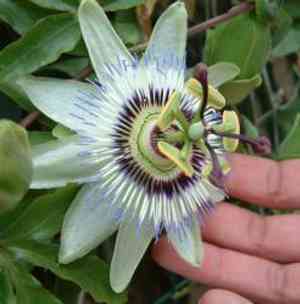
Dutchman's laudanum (Passiflora rubra)
Also known as: Red Passionflower, Scarlet Passionflower
Dutchman's laudanum, commonly known as Datura stramonium or Jimsonweed, is not a tropical vine but rather a hardy annual plant. It features large, trumpet-shaped white or purple flowers and jagged-edged leaves. This plant thrives in warm, temperate regions with well-drained soil and ample sunlight. It often grows in disturbed areas such as roadsides and fields. Its flowers attract night-flying pollinators like moths, aiding in its reproduction and spread.
In This Article
Attributes of Dutchman's laudanum
Lifespan
Perennial
Plant Type
Vine
Plant Height
3-6 meters
Spread
Not applicable, as it is a vine
Leaf Color
Dark green
Flower Size
7-10 cm
Flower Color
Red
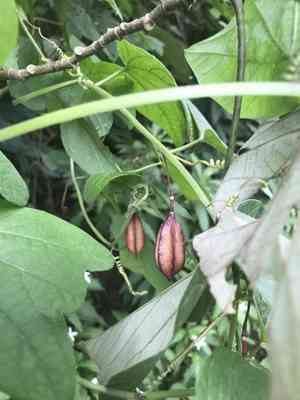
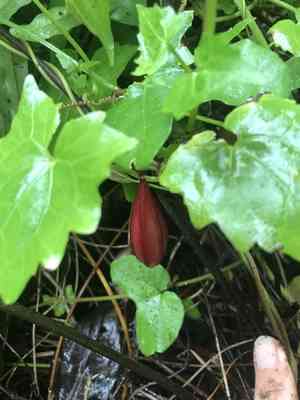
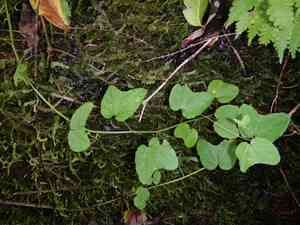
Images of Dutchman's laudanum
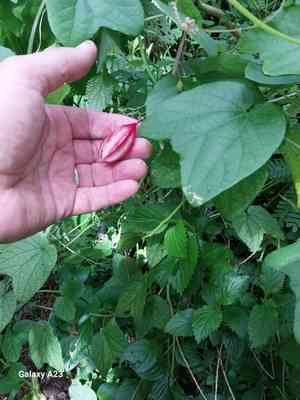
Quickly Identify Dutchman's laudanum
1
Identification of Passiflora rubra involves looking for its distinct red flowers, five-lobed leaves, and tendril-bearing vines. The flowers typically have radial symmetry with a prominent corona.
Scientific Classification of Dutchman's laudanum
Phylum
Vascular plants
Class
Dicotyledons
Order
Malpighiales
Family
Passionflowers
Genus
Passion flowers
Species
Dutchman's laudanum
Planting and Growing of Dutchman's laudanum
Care Difficulty
Moderate
Watering Schedule
Every 4 days
Sunlight Requirements
Partial sun
Sunshine Duration
4-8 hours
Ideal Temperature
68-77℉
Soil Type
Potting Mix, Peat Mix
Soil pH
6.5-7.5
Fertilizer Type
Balanced
Pruning Season
Spring, Summer
Pruning Area
Branches, Leaves
Pruning Frequency
2 times a year
Repotting Season
Spring
Pot Type
Ceramic, Plastic
 How to Water Dutchman's laudanum?
For Passiflora rubra, water thoroughly but ensure that the soil drains well. Typically, 250 ml of water should suffice per session, allowing the soil to be evenly moist but never soggy.
What are the symptoms of an underwatered Dutchman's laudanum?
›
What should I do if my Dutchman's laudanum is not getting enough water?
›
What are the symptoms of an overwatered Dutchman's laudanum?
›
How to save an overwatered Dutchman's laudanum?
›
 What Are the Sunlight Requirements for Dutchman's laudanum?
Passiflora rubra's ideal light condition is partial sun, ensuring vibrant blooms and robust growth while preventing overheating of foliage.
How much sun does Passiflora rubra need?
›
How to ensure adequate sunlight for Passiflora rubra?
›
What happens if Passiflora rubra gets optimal light?
›
 What Is the Ideal Temperature Range for Dutchman's laudanum?
Passiflora rubra thrives in environments where the temperature remains consistently between 68 and 77 degrees Fahrenheit. This range mimics the plant's native tropical habitat, providing the optimal conditions for photosynthesis and overall plant health.
 What Soil is Best for Dutchman's laudanum?
The plant thrives in well-draining soils that prevent waterlogging, ensuring healthy root development and preventing root rot, which is vital for sustained growth. Moderately fertile soils provide essential nutrients without excess, supporting steady growth and vibrant flowering, essential for the plant's ornamental appeal. Soils that retain moisture sufficiently without becoming soggy are crucial, helping the plant to remain hydrated during dry spells, conducive to its overall vitality.
 How to Fertilize Dutchman's laudanum?
For Passiflora rubra, it's important to apply fertilizers at the right amounts. A balanced 10-10-10 liquid fertilizer can be used at 1/2 strength to promote healthy growth. For slow-release options, follow the manufacturer's instructions, but a general guideline is to use about one tablespoon per plant per application.
 How to Prune Dutchman's laudanum?
When pruning, aim to make clean cuts at a 45-degree angle, just above a leaf node. This ensures that water does not accumulate on the cut, preventing rot and facilitating quicker healing of the plant. Collect the pruned branches and leaves and dispose of them appropriately. Avoid leaving them around the plant as they can harbor pests and diseases that may return to infect the healthy parts of the plant.
More About Pruning Techniques→
 How to Propagate Dutchman's laudanum plant?
1
Before planting, soak the seeds in warm water for 24 hours. This process helps in softening the seed coat, which facilitates quicker germination and increases the success rate of seed propagation.
2
Choose healthy, disease-free stems from the parent plant. Cut 4-6 inch sections using sterilized pruning shears to prevent the spread of infections and ensure better rooting success.
3
For seeds, sow them in prepared trays with a mix of peat and sand. For cuttings, insert the cut end into a moist propagating medium such as perlite. Keep the medium consistently moist but not soggy.
 How to Repot Dutchman's laudanum plant?
1
Repotting should be considered when Passiflora rubra shows signs of being root-bound, such as roots growing out of drainage holes or a noticeable slowdown in growth. Early spring, when the plant begins to actively grow, is ideal as it allows the plant to quickly adapt to its new environment.
2
Select a pot that is just one size larger than the current one, with good drainage holes. This prevents waterlogging and promotes healthy root development. Clay pots are a great choice as they are breathable, which helps to prevent root rot by allowing excess moisture to evaporate.
3
Opt for a well-draining potting mix; it should be light and fluffy to prevent compacting. A good mix contains peat, perlite, and a bit of sand, ensuring that roots receive adequate oxygen and reducing risks of fungal diseases.
Learn More About Dutchman's laudanum Diseases
Anthracnose
Bacterial Leaf Spot
Bacterial Soft Rot
Bacterial Wilt
Crown Gall
Cyst Nematode
Damping-off
Downy Mildew
Drought Stress
Fusarium Wilt
Gray Mold
Leaf Curl
Leaf Spot
Mosaic
Nutrient Deficiency
Nutrient Toxicity
Powdery Mildew
Root Rot
Root-knot Nematode
Rusts
Sooty Mold
Spider Mites
Temperature Stress
Thrips Damage
White Mold



