How to Prune Banana passionflower?
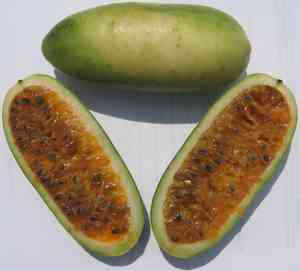
Originating in the Andes, this robust vine is recognized for its abundant leaves and palatable, banana-like produce. To ensure peak vitality and fruit yield, trim banana passionflower during late winter or early spring, eliminating deceased or excessively long branches to preserve its form and foster air circulation. Reducing crowded sections assists in averting ailments. Restrict trimming to one-third of the plant's growth to prevent undue strain. Pruning stimulates fresh development and bigger fruits, thereby elevating the aesthetic and culinary worth of banana passionflower.
Advantages of Trimming Banana Passionflower
Advantages of Trimming Banana Passionflower
Trimming banana passionflower promotes robust development and maintains its form, crucial for both visual appeal and preventing excessive growth that could affect nearby plants. Consistent pruning helps direct the plant's energy towards producing vibrant blooms and edible fruits.
Optimal Time for Pruning Banana Passionflower
Optimal Time for Pruning Banana Passionflower
The best time to trim banana passionflower is in late winter or early spring, coinciding with the end of its dormant phase and prior to new growth. Pruning at this time encourages vigorous development and helps the plant allocate energy to new shoots, and subsequently, flowers and fruit. Performing pruning before sap flow begins prevents stress and significant sap loss, which can occur if pruned later in the growth cycle. Additionally, the plant's structure is more visible during this period, allowing for more precise removal of dead or diseased parts and better shaping. This timing also minimizes the risk of frost damage to fresh cuts and reduces the likelihood of disease or pest infestations, which are more common in warmer conditions.
Tools Required for Pruning Banana Passionflower
Hand pruners
Hand pruners are vital for making clean cuts on banana passionflower's vines and thinner stems. Opt for bypass pruners over anvil types for a sharp, precise cut, essential to avoid damaging plant tissues.
Loppers
For banana passionflower's thicker stems or for reaching into dense foliage without harming surrounding growth, loppers offer extended reach and greater leverage, simplifying pruning without undue strain.
Pruning saw
Should banana passionflower have any old or thicker branches needing removal, a pruning saw is indispensable. It allows for cutting through larger woody growth without creating jagged wounds, promoting better healing.
Gardening gloves
Wearing gloves is recommended when pruning banana passionflower to shield the gardener's hands from injury or from the plant's sap, which may be an irritant.
How to Prune Banana Passionflower
Sanitize
Before beginning to prune banana passionflower, clean your pruning tools with a disinfectant solution to prevent disease transmission.
Identify
Examine banana passionflower closely to locate diseased and withered leaves. Look for discoloration, spots, or signs of decay that distinguish unhealthy leaves from healthy ones.
Remove Diseased Leaves
Carefully remove the diseased leaves from banana passionflower using sharp pruning shears. Cut at the base of the leaf's stem, ensuring a clean cut for faster healing.
Remove Withered Leaves
Trim off the withered leaves from banana passionflower similarly, making clean cuts at the base of their stems, as these leaves will no longer contribute to the plant's growth.
Dispose
Discard the removed material away from your garden to prevent any potential disease spread to healthy plants. Do not compost diseased material from banana passionflower.
Common Pruning Errors with Banana Passionflower
Over-Pruning
Removing too much foliage from banana passionflower can stress the plant, leading to reduced vigor and fruit production. Aim to remove only what is necessary.
Blunt Tools
Using dull pruning tools can cause jagged cuts that are more susceptible to disease and pests. Always use sharp, clean tools to make clean cuts.
Tearing Vines
When pruning banana passionflower, avoid tearing or ripping the vines as this can create wounds that don't heal cleanly and invite disease.
Pruning Healthy Growth
It is a mistake to indiscriminately prune healthy growth, as this may remove flower buds and reduce the flowering potential of banana passionflower.
Neglecting Dead Or Diseased Material
Failing to remove dead or diseased material not only looks unsightly but can also harbor pests and diseases that may spread to other parts of the plant.
General Pruning Advice for Banana Passionflower
Selective Pruning
Carefully choose which parts to prune, focusing on dead or overgrown sections to maintain the shape and health of banana passionflower.
Sterilize Tools
Before pruning banana passionflower, sterilize your tools with alcohol or a bleach solution to prevent the spread of disease.
Control Growth
Regularly prune banana passionflower to control its extensive growth and prevent it from overwhelming nearby plants or structures.
Support Structures
Provide strong support for banana passionflower to climb on, as the plant can become heavy and may suffer if not properly supported.
Layered Pruning
When thinning out dense areas, use a layered pruning approach to create a more natural look and enhance air circulation within the plant.



