How to Prune Golden bellapple?
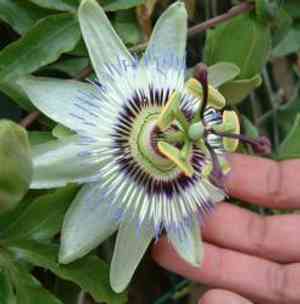
The golden bellapple, recognized for its impressive blossoms and palatable produce, flourishes with regular trimming. Essential methods involve excising deceased or injured stalks, reducing dense branches, and contouring for improved air movement. The most favorable times for pruning are from late winter to early spring, coinciding with the golden bellapple's developmental phase for vigorous flowering. Trimming boosts fruit yield and the plant's general well-being. Consult reputable gardening manuals for exact cutting procedures.
What Are the Benefits of Pruning Golden Bellapple?
What Are the Benefits of Pruning Golden Bellapple?
Golden bellapple benefits from trimming by maintaining a manageable size and promoting vigorous growth. Pruning helps enhance flowering and fruiting, improve the overall appearance, and increase resistance to pests and diseases, ensuring a healthy and thriving plant.
What Is the Best Time for Pruning Golden Bellapple?
What Is the Best Time for Pruning Golden Bellapple?
Trimming or cutting back golden bellapple in the late winter to early spring is ideal as it is during the plant's dormant period, minimizing stress and promoting vigorous growth when the growing season begins. Additionally, this timing helps prepare golden bellapple for its flowering and fruiting phases, ensuring optimal health and productivity. Pruning during these seasons also assists in removing any dead or damaged branches, which can prevent disease and improve air circulation.
What Tools Do I Need to Prune Golden Bellapple?
Hand Pruners
Essential for trimming small stems and branches up to ¾ inch in diameter. They provide precise cuts, encouraging healthy growth.
Lopping Shears
Suitable for branches thicker than ¾ inch and up to 2 inches. These offer more leverage and cutting power for larger stems.
Pruning Saw
Best for cutting through branches over 2 inches in diameter. A pruning saw helps make clean cuts on thicker branches without damaging the plant.
Pole Pruner
Useful for reaching higher branches without a ladder. It combines a pruning saw and a bypass pruner on an extendable pole for better reach and safety.
How to Prune Golden Bellapple
Assessment
Carefully inspect golden bellapple to identify diseased and withered leaves, ensuring you have a clear understanding of the areas needing attention.
Tools Preparation
Prepare sterilized pruning shears or scissors to avoid spreading diseases. Clean tools after pruning each plant to ensure hygiene.
Diseased Leaves Removal
Begin by removing any diseased leaves first. Cut back to the base of the leaf stem where it meets the main branch, ensuring to remove any affected parts completely.
Withered Leaves Removal
Next, remove withered leaves. Trim them back to the point where healthy tissue is present, or to the base of the leaf stem if the entire leaf is withered.
Final Check
Conduct a final check to ensure all diseased and withered leaves have been removed. Dispose of the removed leaves properly to prevent any potential spread of disease.
Common Pruning Mistakes with Golden Bellapple
Over-pruning
One common mistake is removing too much of the plant's foliage, which can stress golden bellapple and reduce its flowering capabilities. Excessive pruning can also open the plant to potential diseases and pest infestations.
Pruning at the wrong time
Timing is crucial. Pruning golden bellapple during its peak growth periods can hinder its development and flowering. While the best season for pruning is excluded, knowing the general growth cycles can help avoid this mistake.
Incorrect cutting technique
Using dull or dirty tools can cause jagged cuts, which not only slow the healing process but also make the plant more vulnerable to diseases. Additionally, improper cuts can damage the plant structure and reduce its vigor.
Ignoring air circulation
Neglecting to thin out the plant can result in poor air circulation, leading to a higher risk of fungal diseases. Dense foliage may look appealing, but it can create an unhealthy microenvironment.
Common Pruning Tips for Golden Bellapple
Use sharp, clean tools
Always use sharp and sterilized pruning tools to make clean cuts. This not only promotes quicker healing but also reduces the risk of disease transmission.
Focus on promoting shape and health
When pruning golden bellapple, aim to maintain an open structure by removing any dead, damaged, or crossing branches. This improves air circulation and access to light, encouraging healthier and more robust growth.
Remove suckers and weak growth
Regularly remove any suckers or weak, spindly growth that emerges at the base of the plant. This helps redirect the plantâs energy towards more productive and stronger branches.
Prune to a healthy bud
Make your cuts just above a healthy bud or branch junction. This encourages new growth at the cut site, helping to shape the plant and promote future blooms.



