How to Prune Blue-oxalis?
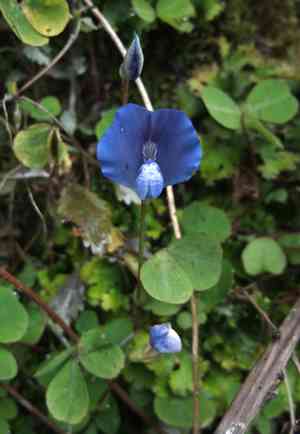
A persistent ground-covering plant, recognized for its vivid azure blossoms and clover-like foliage, blue-oxalis flourishes with consistent upkeep. Perform trimming in early spring or late winter to stimulate robust development. Cut back any deceased or excessively grown leaves and eliminate faded flowers to encourage uninterrupted blooming. Gentle sculpting preserves its visual attractiveness. Proper trimming guarantees a dense structure, boosts flower generation, and prevents sparse growth, allowing cultivators to uphold the plant's decorative worth.
What Are the Benefits of Pruning Blue-oxalis?
What Are the Benefits of Pruning Blue-oxalis?
Trimming blue-oxalis encourages robust development by removing dead or overly dense stems, thereby allowing light and air to better reach the plant. Consistent shaping maintains its form, ensuring a compact, attractive appearance.
What Is the Best Time for Pruning Blue-oxalis?
What Is the Best Time for Pruning Blue-oxalis?
Pruning blue-oxalis in late winter or early spring coincides with its dormant phase, just before the growth period begins. This timing enables gardeners to shape the plant without causing stress, as it minimizes sap loss and avoids cutting into new shoots. Pruning during this window stimulates healthy new growth and blooms in spring and summer. Furthermore, removing dead or damaged foliage at this time can help prevent disease spread, which is more common in warm, moist conditions later in the year. By following these pruning guidelines, gardeners can ensure the vigor and beauty of blue-oxalis.
What Tools Do I Need to Prune Blue-oxalis?
Bypass Pruners
These are perfect for making clean cuts on the soft, green stems of blue-oxalis without causing unnecessary harm to the plant tissue. Their scissor-like action ensures precise trimming.
Hand Shears
For shaping and managing the spread of blue-oxalis, hand shears can be used to uniformly trim the foliage, especially during its active growth phase.
Gardening Gloves
Though not a cutting tool, wearing gloves is crucial to protect your hands from any sharp edges or thorns when pruning blue-oxalis.
Pruning Scissors
Given the delicate stems of blue-oxalis, fine pruning scissors are suitable for snipping off dead or yellow leaves and for thinning out crowded areas to improve air circulation.
How to Prune Blue-oxalis
Sanitize tools
Before beginning, clean and disinfect pruning shears to prevent the transmission of diseases to blue-oxalis.
Identify
Thoroughly inspect blue-oxalis to locate diseased and withered leaves. Look for any signs of discoloration, spots, or decay.
Cut diseased leaves
Using sanitized shears, carefully cut away diseased leaves at their base where they connect to the stem. Do not pull or tear to avoid damaging blue-oxalis.
Cut withered leaves
Similarly, remove withered leaves by cutting them off at the base with clean cuts to maintain the health and appearance of blue-oxalis.
Dispose
Properly dispose of all removed leaves to prevent any disease from spreading in the garden. Do not compost diseased material.
Common Pruning Mistakes with Blue-oxalis
Overpruning
Removing too much foliage from blue-oxalis, which can shock the plant and lead to poor growth or even plant death.
Using dull tools
Pruning with dull or dirty tools can cause torn or damaged stems on blue-oxalis, potentially inviting disease.
Improper cut placement
Cutting into the woody parts of blue-oxalis instead of making cuts on the softer, green growth can harm the plant's structure and inhibit new growth.
Neglecting diseased sections
Failing to remove diseased or dead parts of blue-oxalis can allow disease to spread to healthy parts of the plant.
Ignoring plant shape
Pruning without considering the natural shape of blue-oxalis, which can lead to an undesirable appearance and affect flowering.
Pruning at random
Random pruning without understanding the growth pattern of blue-oxalis can lead to uneven growth and reduced flowering.
Common Pruning Tips for Blue-oxalis
Clean sharp tools
Always use sharp and clean pruning shears to make precise cuts and minimize the risk of disease when trimming blue-oxalis.
Prune for shape
Prune blue-oxalis to maintain its natural dome shape, encouraging a more aesthetically pleasing form and dense foliage.
Deadhead regularly
Regularly remove spent flowers from blue-oxalis to promote continuous blooming throughout the growing season.
Thin out crowded areas
Thin out crowded areas to improve air circulation, which helps prevent fungal diseases and encourages new growth in blue-oxalis.
Cut above leaf nodes
When cutting blue-oxalis, make cuts above leaf nodes at a 45-degree angle to encourage new growth in the desired direction.
Monitor plant health
Regularly inspect blue-oxalis while pruning to identify and address any signs of pests or diseases early on.



