How to Prune Paranomus dispersus?
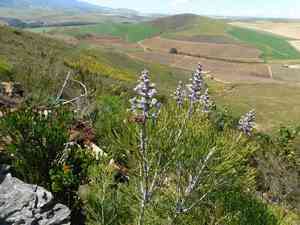
Paranomus dispersus, a unique shrub featuring vivid leaves, benefits from trimming in early spring or late winter to achieve peak development. Eliminate any deceased or compromised branches and reduce crowded sections to improve air movement. This practice aids in averting ailments and fostering abundant flowering. Consistent trimming also preserves the plant's form and stimulates fresh development. Always employ sanitized, keen implements to execute accurate cuts directly above a node or bud, guaranteeing a robust, flourishing paranomus dispersus.
Advantages of Trimming Paranomus Dispersus
Advantages of Trimming Paranomus Dispersus
Trimming paranomus dispersus encourages robust development, maintains its form, promotes healthier leaves, and helps prevent illness by enhancing air circulation. Regular cutting ensures the plant stays well-proportioned and visually appealing, ultimately boosting its overall vigor.
Optimal Time for Pruning Paranomus Dispersus
Optimal Time for Pruning Paranomus Dispersus
Pruning paranomus dispersus in late winter or early spring is advisable as it aligns with the plant's dormant phase. During this period, the plant's growth is minimal, reducing the likelihood of stress or harm. Pruning before the active growth season allows paranomus dispersus to recover swiftly and stimulates vigorous development. Additionally, it aids in shaping the plant prior to new growth, ensuring a healthier and more attractive structure. These seasons are also ideal as they avoid interfering with blooming or fruiting times, which could otherwise be negatively impacted.
Tools Required for Pruning Paranomus Dispersus
Bypass Pruners
Perfect for making precise cuts on living stems and branches, minimizing harm to paranomus dispersus.
Loppers
Useful for cutting thicker branches too large for bypass pruners, typically between 1 to 2 inches in diameter.
Pruning Saw
Essential for removing larger branches that are challenging to cut with loppers or pruners.
Hedge Shears
Helpful for shaping and trimming multiple stems simultaneously, providing a uniform look.
Gloves
Crucial for protecting hands from sharp objects and thorns during pruning.
How to Prune Paranomus Dispersus
Assess
Examine paranomus dispersus for any indications of diseased or wilted leaves. Identify which sections require trimming.
Sanitize
Disinfect your pruning tools with a solution of one part bleach to nine parts water to prevent disease transmission.
Trim Diseased
Carefully remove any diseased leaves at their base, ensuring you cut back to healthy tissue to stop the infection from spreading.
Remove Withered
Trim withered leaves by cutting them back to the first set of healthy leaves or to the stem if the entire leaf is affected.
Dispose
Properly dispose of all trimmed parts, either by burning them or discarding them in sealed bags, to prevent any potential contamination.
Common Pruning Errors with Paranomus Dispersus
Over-pruning
Removing excessive foliage at once can stress paranomus dispersus, making it susceptible to disease and hindering growth. This error is common among gardeners who are too aggressive in their approach.
Improper tools
Using dull or unclean tools can result in jagged cuts and heighten the risk of infection. Clean, sharp pruning shears are vital for proper pruning.
Incorrect cuts
Making improper cuts, such as cutting too close to a bud or leaving stubs, can impede paranomus dispersus's ability to heal and may lead to dieback or poor growth form.
Neglecting deadwood
Failing to remove dead or diseased branches can lead to the spread of pathogens and reduce overall plant health.
Ignoring plant structure
Not considering the natural shape and structure of paranomus dispersus can result in an uneven or unbalanced appearance, negatively affecting both aesthetics and health.
General Pruning Advice for Paranomus Dispersus
Use clean tools
Always use clean, sharp pruning shears to make precise cuts that heal quickly. Disinfect tools between cuts if plants are diseased to prevent the spread of pathogens.
Prune lightly
Remove only a small percentage of the plant at a time. This typically involves trimming back the longest branches and thinning out dense areas to improve air circulation and light penetration.
Focus on structure
Keep the natural growth habit of paranomus dispersus in mind while pruning. Aim to maintain an open, airy structure that promotes healthy growth and reduces the risk of disease.
Remove deadwood
Regularly inspect and prune away any dead, damaged, or diseased branches to keep paranomus dispersus healthy. Removing these parts helps prevent disease spread and encourages new growth.
Proper cut technique
Make clean cuts just above a bud or branch junction to ensure proper healing. Avoid leaving stubs, which can become entry points for pests and diseases.



