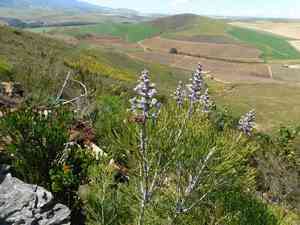
Paranomus dispersus (Paranomus dispersus)
Also known as: Spreading Scepter, Hairy Featherbush
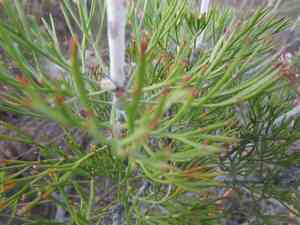
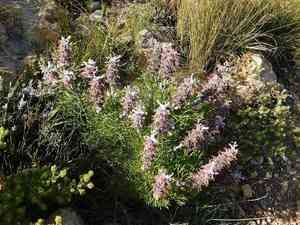
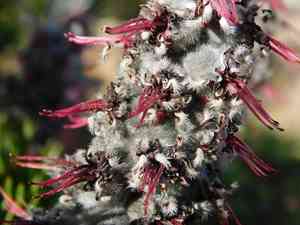
Paranomus dispersus is a striking shrub native to mountainous regions, flourishing in rocky soils. This resilient plant showcases conical flower clusters atop slender stems, with a distinct reddish-tinge. Its evergreen foliage is finely divided, offering a feathery texture that contrasts the robust, woody base. Adapted to its harsh habitat, paranomus dispersus exemplifies survival through its unique flowering strategy and hardiness.
In This Article
Attributes of Paranomus dispersus
Lifespan
Perennial
Plant Height
1.5 to 2 meters
Spread
Approximately 1.5 meters
Leaf Color
Green with a hairy texture
Flower Size
Around 2 centimeters
Flower Color
Pink to white
Images of Paranomus dispersus
Quickly Identify Paranomus dispersus
1
Look for a spreading shrub with hairy leaves and distinct, attractive flowers. It generally grows in sandy soils and often forms part of fynbos vegetation.
Scientific Classification of Paranomus dispersus
Phylum
Vascular plants
Class
Dicotyledons
Order
Proteales
Family
Protea
Genus
Sceptres
Species
Paranomus dispersus
Planting and Growing of Paranomus dispersus
Care Difficulty
Hard
Watering Schedule
Every 2 days
Sunlight Requirements
Full sun
Sunshine Duration
4-8 hours
Ideal Temperature
60-75℉
Soil Type
Potting Mix, Peat Mix
Soil pH
6.5-7.5
Fertilizer Type
Balanced
Pruning Season
Spring, Summer
Pruning Area
Branches, Leaves
Pruning Frequency
Once a year
Repotting Season
Spring
Pot Type
Plastic, Ceramic
 How to Water Paranomus dispersus?
When watering Paranomus dispersus, it's important to think of the soil as a sponge that needs moisture but not saturation. Aim to provide around 200 milliliters of water every session, ensuring the soil remains moist but not overly wet. This amount encourages deep roots without the risk of root rot.
What are the symptoms of an underwatered Paranomus dispersus?
›
What should I do if my Paranomus dispersus is not getting enough water?
›
What are the symptoms of an overwatered Paranomus dispersus?
›
How to save an overwatered Paranomus dispersus?
›
 What Are the Sunlight Requirements for Paranomus dispersus?
Paranomus dispersus ideally grows in full sun conditions. Sufficient light exposure enhances its ability to photosynthesize, supporting better growth, more abundant flowering, and overall plant health.
What is the best light for Paranomus dispersus?
›
How to achieve ideal lighting conditions?
›
Benefits of ideal light exposure
›
 What Is the Ideal Temperature Range for Paranomus dispersus?
The ideal temperature range for growing Paranomus dispersus is between 60°F and 75°F. This range ensures that the plant can maintain its metabolic functions without stress. At these temperatures, the plant can effectively photosynthesize, absorb nutrients, and grow at a healthy rate, making it the preferred environment for this species.
 What Soil is Best for Paranomus dispersus?
Paranomus dispersus thrives best in well-drained soil, which ensures that water does not accumulate around the roots, reducing the risk of root rot and promoting healthy growth. For optimal growth, Paranomus dispersus requires soil that is rich in essential nutrients, supporting robust growth and vibrant foliage. This plant prefers soil that retains a moderate amount of moisture, ensuring that the roots have access to necessary water while not becoming waterlogged, which aids in its overall health.
 How to Fertilize Paranomus dispersus?
For Paranomus dispersus, it is important to apply a balanced amount of fertilizer to support its growth and flowering. When using liquid fertilizer, dilute it to half-strength of the recommended dosage on the label. For slow-release pellets, apply them according to the manufacturer's instructions, which usually suggests sprinkling a thin layer over the root zone, ensuring it doesn't touch the stem.
 How to Prune Paranomus dispersus?
Start by removing any dead, damaged, or diseased branches to maintain the plant's health. Then, trim back overly long stems to maintain shape and promote bushier growth. Always cut just above a node or bud, as this encourages new growth from that point. This species is sensitive to over-pruning, which can lead to reduced flowering. Make sure not to remove more than a third of the plant at once. This ensures the plant retains enough foliage to photosynthesize and recover quickly.
More About Pruning Techniques→
 How to Propagate Paranomus dispersus plant?
1
Collect seeds from mature Paranomus dispersus plants once the seed heads have dried on the plant. Ensure that seeds are fully mature and free from any signs of disease or pest infestation for optimal germination.
2
Prepare a seed tray with sterile potting mix. Moisten the mix evenly but do not soak it. The moisture will aid in the seed's germination process. Ensure the mix is loose and not compacted for the seeds to establish roots easily.
3
Place seeds on the surface of the moistened potting mix, spaced evenly. Cover them lightly with a thin layer of the same mix, ensuring they are just covered. This allows light and air to reach the seeds, promoting better germination.
 How to Repot Paranomus dispersus plant?
1
Paranomus dispersus should be repotted when you notice the roots circling the pot or visibly pushing out from the drainage holes. These signs indicate that the plant is becoming root-bound and requires more space to grow healthy and robust. The ideal repotting season is spring or autumn when the plant's activities are increasing or stabilizing, providing ample time for recovery.
2
Choose a pot that is one size larger than the current one, ensuring it has ample drainage holes to prevent waterlogging. A pot too large can cause moisture retention issues, leading to root rot. Ideally, select a breathable material like terracotta for its air permeability. This helps manage soil moisture levels, promoting healthy root development and reducing the risks of over-watering.
3
Opt for a well-draining, sandy mix that mimics the plant’s natural habitat. This type of soil assists in preventing excess moisture from building up, which can potentially damage the roots and lead to rotting. The sandy mixture provides adequate aeration while retaining just enough moisture, which is pivotal for the plant's nutrient absorption and growth.
Learn More About Paranomus dispersus Diseases
Anthracnose
Bacterial Leaf Spot
Bacterial Soft Rot
Bacterial Wilt
Black Spot
Chemical Injury
Crown Gall
Cyst Nematode
Damping-off
Downy Mildew
Drought Stress
Fusarium Wilt
Gray Mold
Leaf Curl
Leaf Spot
Mosaic
Nutrient Deficiency
Nutrient Toxicity
Powdery Mildew
Root Rot
Root-knot Nematode
Rusts
Sooty Mold
Spider Mites
Temperature Stress
Thrips Damage
White Mold



