How to Prune Ma jia zi?
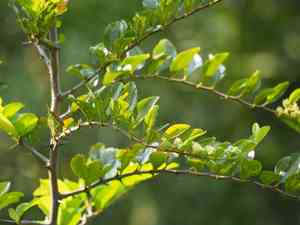
Renowned for its complex branching pattern, ma jia zi flourishes with proper pruning. Perform this task in late winter or early spring, prior to the emergence of new shoots. Reducing dense branches and eliminating deceased or ailing wood improves light access and airflow, which are vital for its well-being and strength. Trim judiciously to preserve its inherent shape, encouraging revitalization and abundant blooms. Consistent trimming also prevents thorny snarls, a distinctive characteristic of ma jia zi, ensuring a neat, controllable form.
What Are the Benefits of Pruning Ma Jia Zi?
What Are the Benefits of Pruning Ma Jia Zi?
Trimming ma jia zi encourages robust development and helps preserve its intended form. Strategic cuts can stimulate new, healthy branches, enhancing sunlight and air flow. This process is crucial for both aesthetic appeal and plant well-being.
What Is the Best Time for Pruning Ma Jia Zi?
What Is the Best Time for Pruning Ma Jia Zi?
Ma jia zi is best trimmed in late winter or early spring before new growth begins. Pruning during this period helps ensure the plant's energy is directed towards producing new shoots, leaves, and eventually flowers or fruits in its growth cycle. Late winter pruning is beneficial as the plant is typically dormant, minimizing stress or shock. It also allows gardeners to easily identify which branches to cut since the absence of leaves provides better visibility of the structure. Furthermore, by pruning ma jia zi in early spring, the risk of frost damage to fresh cuts is reduced, and the healing process is more efficient due to the plant's emerging growth. Additionally, the potential for disease spread is lower during these cooler seasons, especially since pruning wounds will have time to heal before the warmer, more humid months. These seasons ensure ma jia zi maintains its health and vigor throughout the year.
What Tools Do I Need to Prune Ma Jia Zi?
Hand Pruners
Perfect for making precise cuts on ma jia zi's smaller branches and twigs, enabling selective shaping and removal of unwanted growth. Opt for bypass pruners for clean cuts that promote rapid healing.
Loppers
These are suitable for cutting thicker branches that hand pruners cannot manage. The long handles provide leverage to snip branches several centimeters in diameter, ensuring ma jia zi maintains a healthy structure.
Pruning Saw
For ma jia zi's thickest branches, a pruning saw is essential. It allows for cutting branches too large for loppers, preventing plant damage and ensuring clean cuts for better healing.
Hedge Shears
If ma jia zi is cultivated as a hedge, hedge shears are vital for uniformly trimming and shaping the hedge. They are ideal for quickly cutting through soft, new growth and maintaining the desired form.
How to Prune Ma Jia Zi
Identify parts
Examine ma jia zi thoroughly to identify diseased leaves, withered leaves, dead branches, and diseased branches, which are the targets for pruning.
Sterilize tools
Before starting, ensure all pruning tools are sterilized to prevent disease transmission to ma jia zi's healthy tissues.
Remove diseased and dead material
Using precise hand pruners, carefully cut away any diseased or withered leaves, and remove dead and diseased branches by making clean cuts at the base without leaving stubs. Prioritize the most damaged and diseased parts to enhance plant health.
Prune for shape
If necessary for the plant's appearance or health, lightly shape ma jia zi by selectively trimming overgrown branches to maintain a balanced structure, without over-pruning, as it prefers natural growth patterns.
Cleanup
Gather and dispose of all pruned material away from ma jia zi to prevent re-infection or pest issues, and clean tools again after pruning to ensure they are ready for future use.
Common Pruning Mistakes with Ma Jia Zi
Over-pruning
Removing too much growth at once can stress ma jia zi and diminish its overall health and vigor.
Improper cut locations
Making cuts too far from a bud or too close to it on ma jia zi can result in poor growth or damage to the remaining bud.
Using dull tools
Dull pruning tools can harm ma jia zi by creating jagged cuts that are more vulnerable to disease.
Neglecting diseased material
Failing to remove diseased or dead material from ma jia zi can allow the disease to spread.
Neglecting tool hygiene
Not cleaning tools between cuts, especially when pruning diseased ma jia zi, can spread pathogens.
Common Pruning Tips for Ma Jia Zi
Sharp tools
Use sharp, clean pruning shears or loppers for crisp, clean cuts that will heal quickly on ma jia zi.
Angled cuts
Make angled cuts above buds to ensure water drains off the cut surface, reducing the risk of disease in ma jia zi.
Pruning for shape
Prune ma jia zi to maintain the desired shape and size, and to remove wayward or crossing branches that can lead to damage.
Thinning out
Thin out dense areas to improve air circulation, which can decrease disease incidence and increase light penetration in ma jia zi.
Observant pruning
Regularly inspect ma jia zi for damaged or diseased growth and remove it promptly to maintain plant health.



