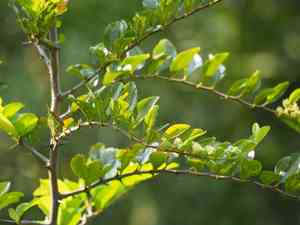
Ma jia zi (Paliurus ramosissimus)
Also known as: None
The tung tree, also known as Vernicia fordii, is a small tree or shrub recognized for its durable wood, which is often utilized in crafting tools. The seeds of the tung tree yield tung oil, a substance commonly used in candle making and wood finishing. This plant is relatively cold-hardy and is occasionally planted for ornamental purposes, frequently serving as a hedge in its native areas.
In This Article
Attributes of Ma jia zi
Lifespan
Perennial
Plant Type
Shrub
Plant Height
6 m
Spread
Approximately 2-3 meters
Leaf Color
Dark green
Flower Size
Small, less than 1 cm
Flower Color
Yellow Green
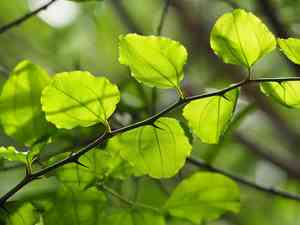
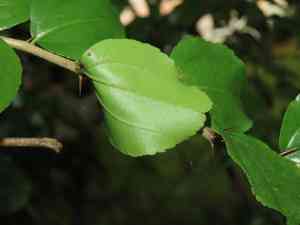
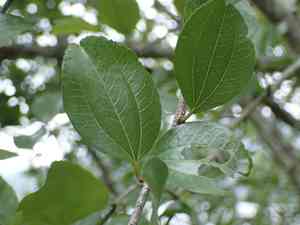
Images of Ma jia zi
Quickly Identify Ma jia zi
1
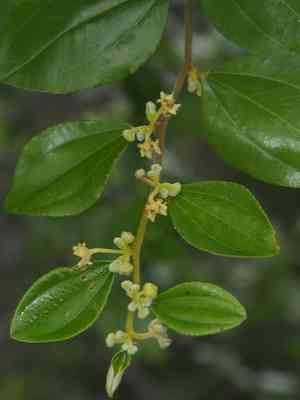
Identify Paliurus ramosissimus by its thorny branches, small oval leaves, and clusters of greenish-yellow flowers. The plant also produces small, dry fruit that has a noticeable wing-like structure.
Scientific Classification of Ma jia zi
Phylum
Vascular plants
Class
Dicotyledons
Order
Roses, elms, figs, and allies
Family
Buckthorn
Genus
Paliurus
Species
Ma jia zi
Planting and Growing of Ma jia zi
Care Difficulty
Easy
Watering Schedule
Every 3 days
Sunlight Requirements
Partial sun
Sunshine Duration
6-10 hours
Ideal Temperature
68-77℉
Soil Type
Potting Mix
Soil pH
6.5-7.5
Fertilizer Type
Balanced
Pruning Season
Spring, Summer
Pruning Area
Branches, Leaves
Pruning Frequency
2 times a year
Repotting Season
Spring
Pot Type
Plastic, Ceramic
 How to Water Ma jia zi?
For Paliurus ramosissimus, aim to provide approximately 500 milliliters of water per session. Ensure that the water reaches deep into the soil to moisten the root zone effectively. This amount can vary slightly depending on pot size and climate, but make sure the top inch of soil dries out between waterings.
What are the symptoms of an underwatered Ma jia zi?
›
What should I do if my Ma jia zi is not getting enough water?
›
What are the symptoms of an overwatered Ma jia zi?
›
How to save an overwatered Ma jia zi?
›
 What Are the Sunlight Requirements for Ma jia zi?
Partial sun to full sun is optimal. Ensuring the plant receives the correct amount of sunlight encourages robust growth, lush foliage, and better overall resilience to environmental stressors.
What is the optimal amount of sunlight for Paliurus ramosissimus?
›
How can I ensure my Paliurus ramosissimus receives its ideal light?
›
What are the benefits of ideal lighting for Paliurus ramosissimus?
›
 What Is the Ideal Temperature Range for Ma jia zi?
The ideal temperature range for Paliurus ramosissimus is between 68°F and 77°F. This range is optimal for photosynthesis and metabolic activities, ensuring healthy growth and development of the plant. Maintaining consistent temperatures within this range can promote vibrant foliage and resilient structural growth.
 What Soil is Best for Ma jia zi?
Paliurus ramosissimus thrives in well-draining soil that prevents waterlogging. Proper drainage ensures roots do not rot and facilitates aeration, providing ideal conditions for healthy growth. A nutrient-rich soil supports robust plant development by delivering essential nutrients. Ensuring soil fertility enhances leaf production and overall plant vigor. While drainage is crucial, the soil should also retain sufficient moisture to support the plant during dry spells. Adequate moisture levels help avoid stress on the plant, keeping it healthy.
 How to Fertilize Ma jia zi?
For Paliurus ramosissimus, it is crucial to avoid over-fertilization. A balanced liquid fertilizer should be diluted to half its strength, typically 10-10-10, and applied as per the recommended frequency. For solid fertilizers, use a granular formula at a rate of 100 grams per plant for small shrubs or scale proportionally for larger specimens. Proper measurement ensures the plant receives adequate nutrients without risking root burn.
 How to Prune Ma jia zi?
Start by observing the plant’s natural shape and identifying the branches needing trimming. Paliurus ramosissimus has a unique branching pattern; hence, understanding its growth will help in precision pruning. Use clean, sharp pruning shears to avoid injuring the plant. Start by removing any dead or diseased branches. Cut at a 45-degree angle to promote healthy regrowth and make sure not to leave stubs. Prune to maintain the desired shape. Focus on opening up the center of the plant to improve air circulation and prevent fungal diseases. Always step back frequently to ensure a balanced look.
More About Pruning Techniques→
 How to Propagate Ma jia zi plant?
1
Collect mature seeds from the plant during its fruiting season. Make sure the seeds are dry before storing them in a cool, dry location until ready for sowing.
2
Using clean pruning shears, select healthy stems from the plant and make a clean cut just below a node. Remove leaves from the lower part of the cutting to prevent decay.
3
For seeds, plant them in seed trays filled with seed-starting soil. Place cuttings in pots with moist potting mix and ensure firm contact between the soil and cutting base.
 How to Repot Ma jia zi plant?
1
Paliurus ramosissimus should be repotted when you notice its roots coiling at the bottom of the pot or protruding through drainage holes. Additionally, if the plant's growth seems stunted or its leaves become discolored, it's a clear sign that repotting is due. Early spring is ideal, as it allows the plant to recover and establish in time for the growing season.
2
Opt for a pot that is one to two inches wider in diameter than the current one. This encourages healthy root growth by providing ample space without overwhelming the plant. The pot should have drainage holes to prevent waterlogging, which can lead to root rot. A sturdy ceramic or clay pot is beneficial as it offers stability and supports better aeration.
3
Use a well-draining loamy soil mix. This type of soil retains enough moisture for the plant's needs while allowing excess water to drain easily, preventing root rot. A balanced blend of garden soil, peat moss, and perlite or coarse sand ensures the soil is rich in nutrients while maintaining good drainage.
Learn More About Ma jia zi Diseases
Anthracnose
Bacterial Leaf Spot
Crown Gall
Cyst Nematode
Damping-off
Drought Stress
Fusarium Wilt
Gray Mold
Leaf Curl
Leaf Spot
Mosaic
Nutrient Deficiency
Nutrient Toxicity
Powdery Mildew
Root Rot
Root-knot Nematode
Rusts
Sooty Mold
Spider Mites
Temperature Stress
Thrips Damage
White Mold
Chemical Injury



