How to Prune Texas palafox?
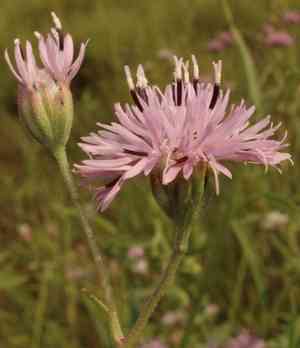
Texas palafox, recognized for its vivid flowers and resilience to arid conditions, thrives with trimming in late winter or early spring. Concentrate on eliminating deceased or compromised stalks to foster robust development. Reducing the plant's density aids in enhancing air movement, thereby lowering the likelihood of illness. Consistent trimming can stimulate more abundant blossoming. Verify that sterile, keen implements are utilized for accurate incisions. Adhering to these methods can preserve the visual attractiveness and general well-being of texas palafox.
What Are the Benefits of Pruning Texas Palafox?
What Are the Benefits of Pruning Texas Palafox?
Texas palafox grows vigorously and maintains shape with regular pruning, enhancing appearance and promoting healthy growth by removing dead or diseased branches. Pruning helps control size, increases flowering potential, and reduces pest and disease issues, ensuring a robust, attractive plant.
What Is the Best Time for Pruning Texas Palafox?
What Is the Best Time for Pruning Texas Palafox?
Trimming or cutting back in late winter to early spring ensures texas palafox is still dormant or just starting its growth cycle. This timing minimizes plant stress and lowers the risk of disease spread through open wounds. Additionally, pruning before the active growing season encourages vigorous new growth and prepares texas palafox for a healthy bloom or fruiting period. Avoiding pruning during peak growth or late in the year prevents disrupting the plant's energy storage and reduces negative impacts on its health and flowering potential.
What Tools Do I Need to Prune Texas Palafox?
Hand Pruners
Perfect for deadheading and trimming small stems. Accurate and controlled cuts minimize damage to texas palafox.
Bypass Pruners
Suitable for clean cuts on living, green stems up to ¾ inch in diameter, preventing tearing and promoting healthy regrowth in texas palafox.
Pruning Shears
Useful for snipping small branches and flowers with minimal effort, enabling gardeners to maintain the shape of texas palafox.
Pruning Saw
Essential for removing thicker, woody stems or branches that exceed the capacity of hand pruners, ensuring clean cuts without crushing the plant tissue of texas palafox.
Gloves
Protect hands from thorns or rough stems while pruning texas palafox, promoting comfortable and safe handling.
How to Prune Texas Palafox
Inspection
Examine texas palafox closely to identify any diseased or withered leaves. This initial inspection ensures you can target the necessary parts precisely.
SterilizeTools
Before pruning, sterilize your pruning tools with a solution of one part bleach to nine parts water to prevent the spread of disease.
RemoveDiseasedLeaves
Carefully trim away any diseased leaves using sterilized pruning shears. Make clean cuts at the base of the leaf stem, taking care not to damage healthy tissue.
RemoveWitheredLeaves
Trim away withered leaves, which may be discolored or dry. Remove them at the leaf stem base to ensure no remnants are left that could attract pests or further disease.
Disposal
Properly dispose of all removed leaves by trashing them or incinerating them. Do not compost diseased material, as this can spread pathogens.
Common Pruning Mistakes with Texas Palafox
Excessive pruning
Removing too many branches or stems can stress the plant, leading to stunted growth or vulnerability to diseases.
Incorrect cutting technique
Using dull or inadequate tools can cause jagged cuts, increasing the risk of infection. Improper angles of cuts can also harm the plant.
Pruning at the wrong point
Cutting too far from or too close to the node can prevent proper healing or cause dieback.
Ignoring dead or diseased parts
Failing to remove dead or diseased branches can allow the spread of infection and inhibit healthy growth.
Common Pruning Tips for Texas Palafox
Use clean, sharp tools
Always ensure your pruning shears are clean and sharp to make clean cuts and reduce the risk of disease transmission.
Make precise cuts
Cut just above a node at a slight angle to promote healthy growth and proper healing. Avoid leaving stubs.
Remove dead or diseased wood first
Start by carefully pruning away any dead, damaged, or diseased branches to keep the plant healthy.
Thin out overcrowded areas
Thin out congested parts of the plant to improve air circulation and light penetration, reducing the risk of pathogens.
Prune lightly
For texas palafox, light pruning is generally sufficient to shape the plant and encourage new growth; avoid heavy pruning.


