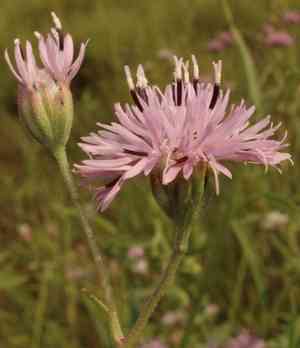
Texas palafox (Palafoxia texana)
Also known as: Texas palafox, sand palafox
The Blackfoot Daisy, native to Texas, is a hardy, sun-loving wildflower. It features sturdy stems and small, green leaves that support striking, white daisy-like flowers with yellow centers. This tough perennial flourishes in dry, rocky soils, providing a splash of brightness and attracting pollinators to arid regions.
In This Article
Attributes of Texas palafox
Lifespan
Perennial
Plant Type
Herb
Plant Height
Up to 1 meter
Spread
Approximately 30 cm
Leaf Color
Green
Flower Size
About 2.5 cm
Flower Color
Pink to lavender
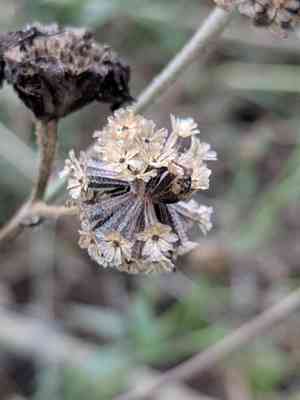
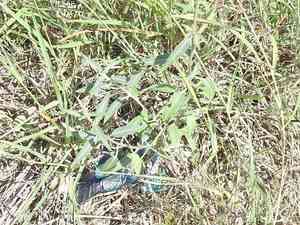
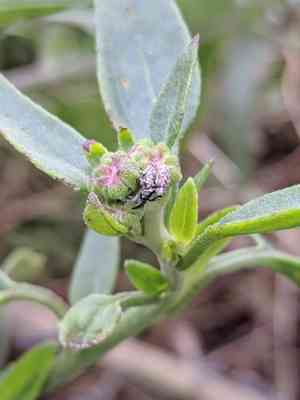
Images of Texas palafox
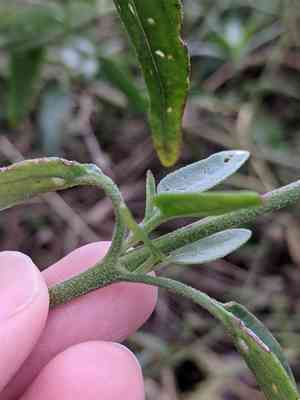
Quickly Identify Texas palafox
1
To identify Palafoxia texana, look for its slender, erect stems that can grow up to 1 meter tall. The leaves are narrow, elongated, and alternate along the stem. The blooming flowers are pink to lavender and about 2.5 cm in diameter with a distinctive central disc.
Scientific Classification of Texas palafox
Phylum
Vascular plants
Class
Dicotyledons
Order
Asterales
Family
Daisy
Genus
Palafox
Species
Texas palafox
Planting and Growing of Texas palafox
Care Difficulty
Moderate
Watering Schedule
Every 3 days
Sunlight Requirements
Full sun
Sunshine Duration
6-8 hours
Ideal Temperature
68-77℉
Soil Type
Potting Mix, Peat Mix
Soil pH
6.5-7.5
Fertilizer Type
Balanced
Pruning Season
Spring, Summer
Pruning Area
Branches, Leaves
Pruning Frequency
2 times a year
Repotting Season
Spring
Pot Type
Plastic, Ceramic
 How to Water Texas palafox?
Palafoxia texana, also known as Texas palafox, thrives best with moderate watering. It's important to provide around 250 milliliters of water per session. The goal is to moisten the soil thoroughly without creating a waterlogged environment, ensuring the soil is damp to approximately two inches in depth before letting it dry out completely between waterings.
What are the symptoms of an underwatered Texas palafox?
›
What should I do if my Texas palafox is not getting enough water?
›
What are the symptoms of an overwatered Texas palafox?
›
How to save an overwatered Texas palafox?
›
 What Are the Sunlight Requirements for Texas palafox?
Palafoxia texana ideally needs full sun. Proper sunlight ensures vibrant growth, encourages flowering, and maintains its natural resilience and aesthetic appeal.
What is the ideal lighting condition for Palafoxia texana?
›
How to achieve optimal lighting for Palafoxia texana?
›
What are the benefits of ideal lighting for Palafoxia texana?
›
 What Is the Ideal Temperature Range for Texas palafox?
The ideal temperature range for Palafoxia texana is between 68°F and 77°F. This temperature range ensures optimal growth and development by providing a stable environment. Within this range, the plant is able to carry out photosynthesis efficiently, leading to healthy foliage.
 What Soil is Best for Texas palafox?
Palafoxia texana thrives in well-draining soils where water can easily pass through, preventing root rot. This condition is crucial for healthy root development and helps the plant to access nutrients efficiently. This plant prefers soils that are not overly rich in nutrients. Too many nutrients can encourage excessive foliage growth at the expense of flowering. A balanced nutrient profile ensures robust blooms. Maintain a soil pH between 6.5 and 7.5 to provide optimal growing conditions for Palafoxia texana. This range supports essential microbial activity in the soil, contributing to better nutrient availability.
 How to Fertilize Texas palafox?
For Palafoxia texana, the recommended amount of fertilizer should be modest due to its native origin in nutrient-poor environments. Apply a diluted liquid fertilizer with a ratio of 10-10-10. Use approximately 1/4 teaspoon per gallon of water during active growth periods. Ensure not to over-fertilize, as this can lead to nutrient burn.
 How to Prune Texas palafox?
Avoid pruning late in the day or during very hot, sunny conditions, as this can cause stress on the plant. Early morning or late afternoon is the best time for pruning, allowing the plant to heal before the intense sun exposure. Be mindful not to remove more than a third of the plant at one go, as Palafoxia texana, although resilient, can suffer if too much foliage is removed at once. Over-pruning can lead to reduced vigor and fewer blooms.
More About Pruning Techniques→
 How to Propagate Texas palafox plant?
1
Choose healthy seeds of Palafoxia texana from a reputable supplier. First, soak the seeds in water for 24 hours to soften the seed coat. This helps in speeding up the germination process. After soaking, strain the seeds and let them air dry on a paper towel briefly before sowing.
2
Fill the seedling trays with moistened potting mix. Lightly press the seeds into the surface without burying them too deeply. Many seeds need light to germinate, so they should be pressed lightly into the soil or covered with a thin layer of potting mix.
3
Place the seed trays in a warm area with adequate light. Maintain a consistent temperature of around 70-75°F (21-24°C). Lightly mist the soil surface to keep it moist but not waterlogged. Cover with a plastic dome or plastic wrap to maintain humidity until seedlings emerge.
 How to Repot Texas palafox plant?
1
Repotting Palafoxia texana should be done when you notice roots growing out of the drainage holes or the plant appears root-bound. Another indicator is when water sits on top of the soil after watering, suggesting compacted mix needs refreshment.
2
Select a pot that is one size larger than the current one with good drainage holes. Clay pots are ideal as they breathe better, helping to prevent overwatering, which is a common issue for Palafoxia texana.
3
Use a well-draining sandy mix with components like perlite and grit to mimic its native environment. This ensures proper aeration and prevents root rot, fostering a healthy growing environment for your Texas palafox.


