How to Prune Alpine groundsel?
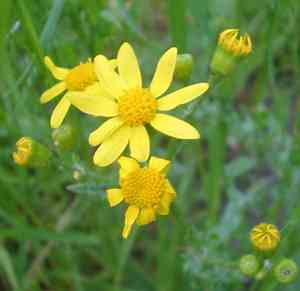
Alpine groundsel, recognized for its diminutive, vibrant blossoms and mountainous environment, thrives with yearly trimming to preserve its well-being and structure. The most suitable periods for this maintenance are in spring and summer, aligning with its vigorous development phase. Remove faded blooms and lifeless or compromised stalks to stimulate fresh growth and deter ailments. Concentrate on reducing dense sections to boost air movement. Consistent trimming elevates the plant's visual attractiveness and strength, guaranteeing abundant flowering cycles.
What Are the Benefits of Pruning Alpine Groundsel?
What Are the Benefits of Pruning Alpine Groundsel?
Pruning alpine groundsel promotes robust development and helps maintain its form. Regular trimming improves the plant's appearance, prevents overcrowding, and reduces pest and disease risks, fostering a healthier and more vibrant specimen.
What Is the Best Time for Pruning Alpine Groundsel?
What Is the Best Time for Pruning Alpine Groundsel?
Spring and Summer are optimal for pruning alpine groundsel because the plant is actively growing. Spring pruning ensures healthy development and shapes the plant before its main flowering period. Summer pruning encourages continued growth and maintains its form without undue stress. Pruning during these times supports overall plant health, minimizes disease risk, and enhances blooming or fruiting potential.
What Tools Do I Need to Prune Alpine Groundsel?
Hand Pruners
Hand pruners are perfect for alpine groundsel due to its small size and delicate stems. They allow for precise cuts, helping to prevent plant damage.
Bypass Pruners
Bypass pruners are especially effective for alpine groundsel, providing clean cuts that encourage quicker healing and lessen disease risk.
Pruning Shears
Pruning shears can be used for alpine groundsel, particularly for removing dead or damaged foliage. They enable accurate trimming of small, tender shoots.
How to Prune Alpine Groundsel
Inspection
Examine alpine groundsel thoroughly to identify diseased leaves, withered leaves, and diseased stems requiring attention.
Sanitization
Sanitize your pruning tools with rubbing alcohol or a bleach solution to prevent the spread of pathogens.
Trimming diseased leaves
Carefully remove any diseased leaves by cutting close to the base of the leaf stalk, ensuring not to harm healthy tissue.
Trimming withered leaves
Remove withered leaves by gently pulling them or cutting them off with sanitized scissors or shears, close to the plant's base.
Trimming diseased stems
Cut back diseased stems to healthy tissue, making clean cuts just above a leaf node or bud to encourage new growth.
Common Pruning Mistakes with Alpine Groundsel
Over-pruning
Removing too many stems or leaves can stress alpine groundsel and impede its growth. It's crucial to avoid excessive cutting to maintain the plant's health and vigor.
Improper Tools
Using dull or dirty pruning tools can harm alpine groundsel and introduce diseases. Always use clean, sharp tools for clean cuts.
Inaccurate Cuts
Making cuts too close to the main stem can damage it, while cuts too far can leave unhealthy stubs that may not heal properly. Precision is key for correct cuts.
Ignoring Dead or Diseased Parts
Failing to remove dead or diseased parts can allow problems to spread throughout alpine groundsel and impact its overall health.
Common Pruning Tips for Alpine Groundsel
Sanitize Tools
Always clean your pruning tools with disinfectant before and after use to prevent the spread of diseases.
Identify Growth Points
Familiarize yourself with the growth pattern of alpine groundsel to identify where new growth occurs. This helps in making more targeted cuts that promote healthier development.
Moderation
Prune lightly and regularly rather than making severe cuts. Regular, light pruning encourages a denser and healthier plant structure.
Remove Dead/Diseased Stems
Consistently check and remove any dead or diseased stems to prevent any problems from spreading to healthy parts of alpine groundsel.
Proper Angle Cuts
Make your cuts at a slight angle rather than straight across to allow water to run off easily, reducing the risk of rot.



